The United States has launched one of its most powerful airstrikes yet in the ongoing conflict with Iran.
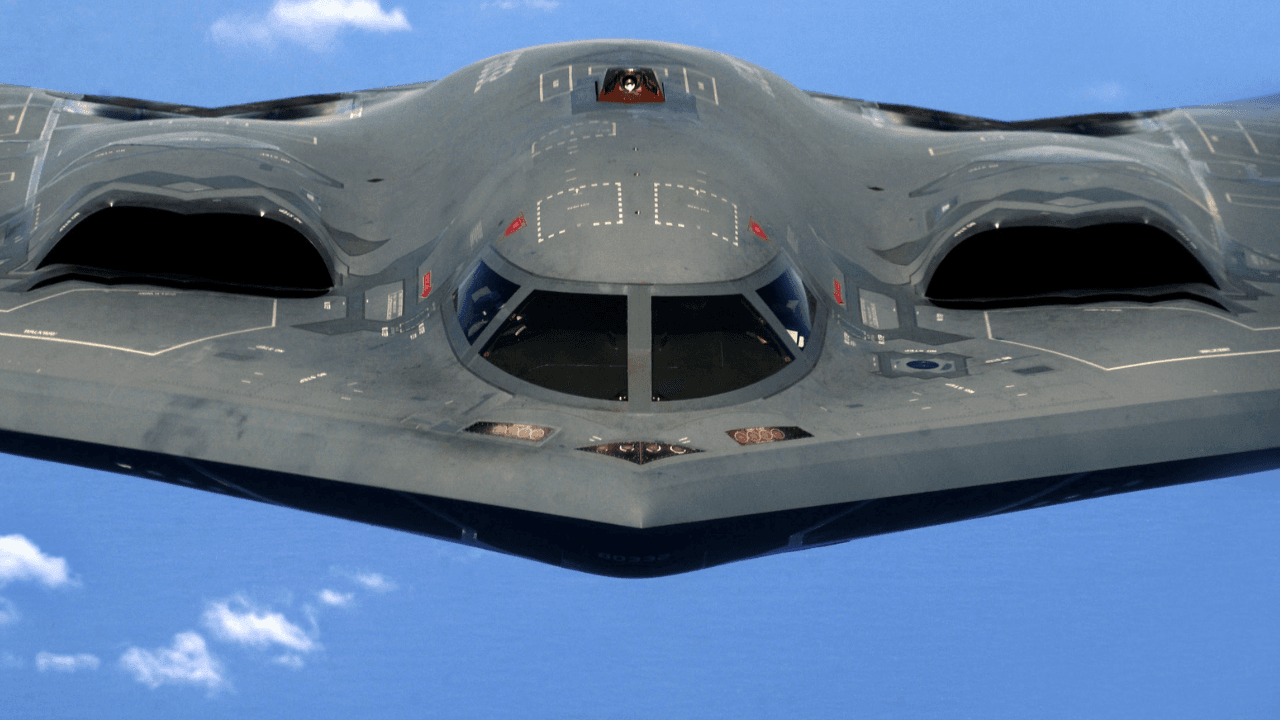
U.S. Central Command confirmed that American forces dropped multiple 5,000 pound bunker buster bombs on underground Iranian missile sites near the Strait of Hormuz on Tuesday.
The strikes targeted hardened military positions along Iran’s coastline that officials say threatened global shipping routes.
The announcement came as tensions in the region continue to disrupt one of the world’s most important energy corridors.

Powerful Bombs Used Against Underground Targets
According to U.S. officials, the weapons used were GBU 72 Advanced 5K Penetrator bombs.
These bombs are designed to destroy deeply buried and fortified targets that standard munitions cannot reach.
The U.S. Air Force introduced the weapon in 2021 to address underground threats.
Details about the weapon system are available through the U.S. Air Force official release.
Missile Sites Posed Threat to Shipping
U.S. Central Command said the targeted missile systems included anti ship cruise missiles positioned near the Strait of Hormuz.
Officials warned these systems could be used to attack commercial vessels moving through the narrow waterway.
The Strait of Hormuz is a key route for global oil shipments.
According to the U.S. Energy Information Administration, a significant portion of the world’s oil passes through this corridor.
Shipping Disruptions Drive Global Impact
The conflict has already caused major disruptions to shipping traffic in the region.
Reports indicate that Iran has used mines, drones, and naval assets to block parts of the waterway.
As a result, global energy markets have reacted sharply, with oil prices rising above 100 dollars per barrel.
Experts warn that prolonged disruption could impact fuel prices and supply chains worldwide.
US Vows Continued Military Pressure
Admiral Brad Cooper, commander of U.S. Central Command, said the mission is focused on protecting freedom of navigation.
“The United States will continue to rapidly deplete Iran’s ability to threaten shipping in and around the Strait of Hormuz,” Cooper said in a video statement.
He added that operations are ongoing and that U.S. forces remain prepared for further action.
Updates from the command can be followed through the U.S. Central Command official site.
Tensions Rise With Allies and Adversaries
The strikes come as political tensions also grow between the United States and some European allies.
President Donald Trump has criticized countries such as France and the United Kingdom for not taking stronger action to help secure the Strait of Hormuz.
At the same time, Iran has warned it will continue to respond to military pressure.
With both sides showing no signs of backing down, the situation in the region remains highly volatile.
The latest strikes highlight how quickly the conflict is escalating and how closely it is tied to global energy security.