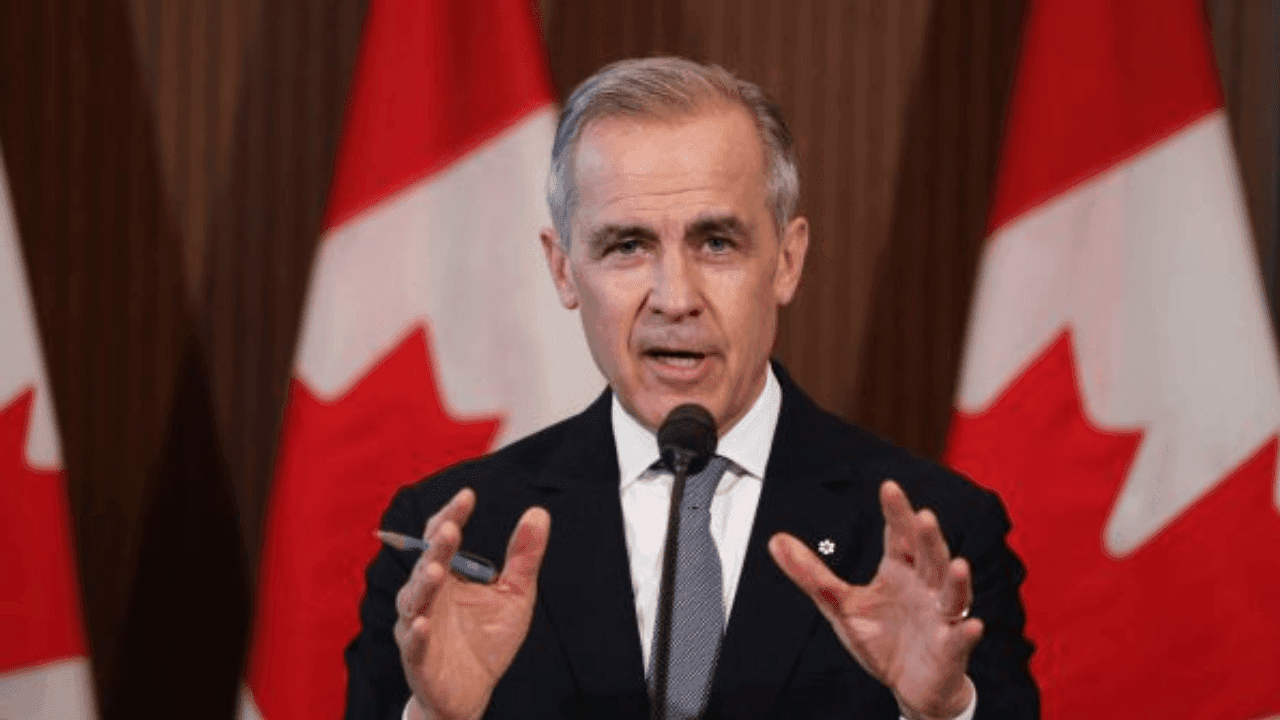
In a surprising turn of events, Canadian Prime Minister Mark Carney has declared that the so-called ‘old relationship’ between Canada and the United States is over. The announcement came amidst rising tensions over trade tariffs imposed by former President Donald Trump, which have left a lingering strain on the diplomatic relations between the two neighboring nations.
The historic cooperation between the United States and Canada has been characterized by shared economic interests and political collaborations. However, Carney’s recent statement marks a significant shift in tone, suggesting that this long-standing camaraderie has reached an irrevocable conclusion.
Amid this change, Carney asserts that Canada will seek to protect its national interests, possibly projecting a shift towards more independent economic policies. This stance indicates a potential realignment of international partnerships, prioritizing self-reliance and diversification over traditional US-centric strategies.
While announcing this new direction, Carney was keen on emphasizing that Canada will continue to engage in cooperative and open dialogues with global partners. The move is seen by some analysts as an opportunity for Canada to explore new alliances and economic possibilities outside the shadow of US influence.
The impact of this declaration has been profound, with economic sectors in both nations closely monitoring the situation. With significant cross-border trade and economic interdependence, industries ranging from automotive to agriculture could feel the ripple effects. Companies operating on both sides of the border are preparing for possible shifts in trade policies that may arise from this diplomatic restructuring.
This development comes on the heels of earlier tensions that escalated with the imposition of US tariffs on Canadian steel and aluminum, catalyzing a response from Canada that saw retaliatory measures being put into place. Such economic frictions have undeniably contributed to a re-evaluation of diplomatic ties, as indicated by Carney’s sentiment of a bygone ‘old relationship.’
As both nations navigate these uncharted waters, experts believe it will be crucial for Canada to build stronger ties with the European Union and Asia-Pacific countries. This would not only bolster its economy but also provide a multi-faceted approach to international trade and relations.
Historically, US-Canada relations have experienced occasional strains, but they have always managed to overcome hurdles through dialogue and negotiation. This latest declaration by Prime Minister Carney, however, suggests a deeper and more fundamental change in how Canada envisions its place in the global arena going forward.
Ultimately, while the ‘old relationship’ may be over, this pivotal moment in US-Canada relations opens the door to new forms of partnerships and engagements that can redefine North American cooperation in the twenty-first century.