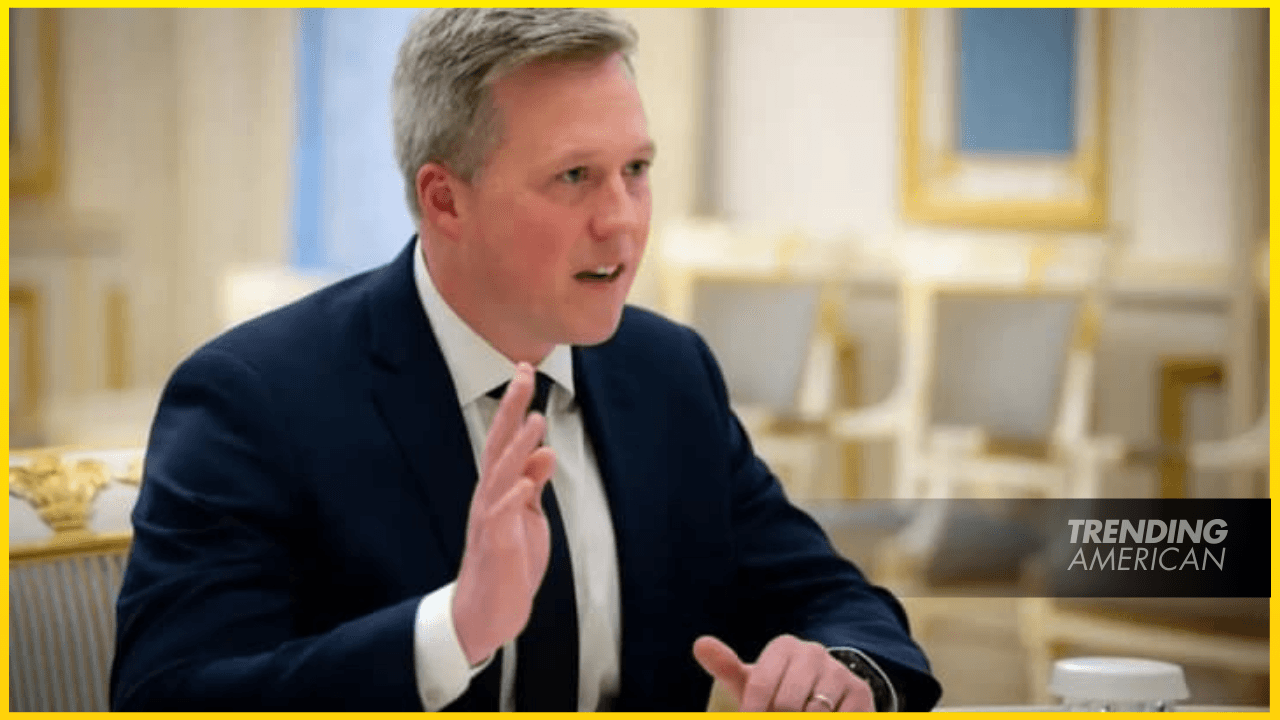
In Abu Dhabi, U.S. Army Secretary Dan Driscoll met with Russian officials on Monday night to discuss accelerating a peace framework for Ukraine, a meeting that signals the ongoing high-level diplomacy aimed at ending the war. Two U.S. officials and two diplomatic sources familiar with the discussions told CBS News that Driscoll was in the United Arab Emirates capital to engage with members of a Russian delegation for several hours in Abu Dhabi. They added that he was scheduled to meet again with the Russians on Tuesday to continue talks focused on the peace process and the pace of negotiations.
The meetings come as part of a broader White House and allied diplomatic effort to secure a ceasefire and a concrete framework for ending the conflict, efforts that have included recent discussions in Geneva and a flurry of diplomatic outreach by U.S. officials and Ukrainian and European partners. While the parties have signaled willingness to engage, it remains unclear how close Moscow and Kyiv are to a deal and what concessions each side would accept.

Prior to the Abu Dhabi discussions, U.S. officials said, Driscoll, along with Secretary of State Marco Rubio, the president’s envoy Steve Witkoff, and other U.S. and Ukrainian diplomats, participated in a Geneva round of talks over the weekend. The White House described those sessions as productive in laying groundwork for a revised peace framework, while supporters of the administration argued the talks demonstrated momentum even as major differences persisted.
CBS News reported that the draft peace proposal tied to the Trump administration’s push would incorporate several provisions Ukraine has long resisted, including possible compromises around Donetsk and other contested areas and, in some versions, terms regarding Ukraine’s security guarantees. One document under discussion reportedly frames assurances that resemble NATO-style security guarantees, echoing Kyiv’s calls for assurances that its sovereignty will be protected if a broader agreement is reached. Ukraine’s ambassador to the United States, Olga Stefanishyna, has described such assurances as vital, though Kyiv has continued to demand stronger guarantees and at times rejected elements of the plan.
Analysts caution that even as Washington and its allies press for a negotiated outcome, the path to a durable ceasefire remains uncertain. In recent weeks, Moscow has intensified operations in parts of eastern Ukraine, while Ukrainian forces maintain pressure in other areas. The question now is whether a confected peace framework can balance Moscow’s strategic objectives with Kyiv’s territorial integrity and security concerns, all within a political process influenced by domestic dynamics in Washington and European capitals.
Beyond the immediate talks, there is discussion—albeit with no firm plans in place—about a possible visit to the United States by Ukrainian President Volodymyr Zelenskyy, underscoring the degree to which diplomacy remains at the center of efforts to end the conflict. The weekend Geneva discussions and Monday’s session in Abu Dhabi illustrate that even as battlefield dynamics shift, diplomacy remains active at the highest levels, with the outcome of these negotiations still open to interpretation and revision as negotiations proceed.
Disclosure: We may earn a commission when you make a purchase through the ads.