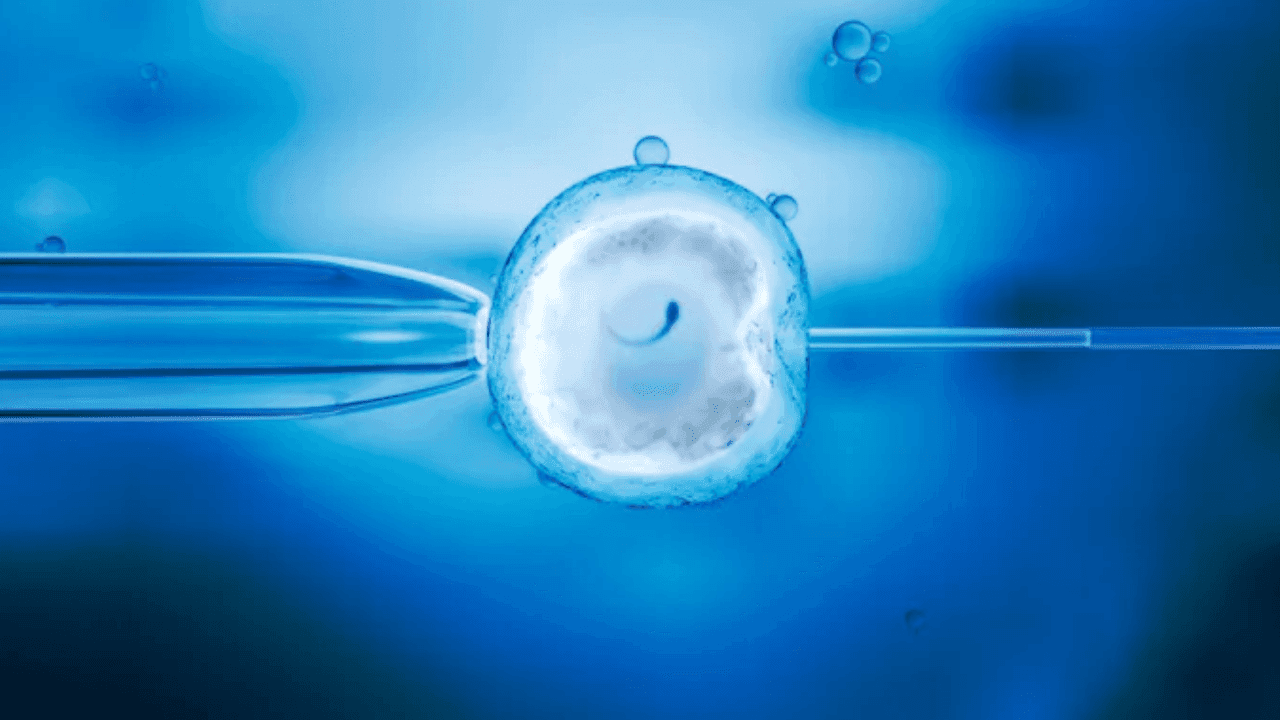
In a startling revelation from Europe, a case has emerged that demands a serious reevaluation of the regulations surrounding sperm donation. A donor, who unknowingly carried a rare genetic mutation linked to cancer, has fathered at least 67 children, with ten of them already diagnosed with cancer. This alarming situation has raised urgent questions about the limits placed on donor use and the genetic screening procedures that are currently in place.
The troubling issue was presented by Edwige Kasper, a biologist from Rouen University Hospital in France, during the annual European Society of Human Genetics conference held in Milan. During her presentation, she detailed how the donor carried a mutation in the TP53 gene, which is known to be associated with Li-Fraumeni syndrome—a rare genetic disorder that significantly increases a person’s lifetime risk of developing cancer.
This case highlights a significant gap in the current sperm donation practices that many may find concerning. Given that this donor’s sperm was used between 2008 and 2015 across eight European countries, the implications extend far beyond just a single individual’s health; they touch on the well-being of all the children who were born from those donations.
At the time of these donations, the mutation was not detectable using standard genetic screening methods, raising the question of whether those screening processes are sufficient. Current practices may need to be rigorously reviewed to ensure that potential health risks are minimized for future generations, thereby protecting families from unforeseen genetic disorders.
As we consider the implications of this case, it is essential to advocate for stronger regulations and enhanced genetic testing protocols in the realm of sperm donations. The safety and health of our children must take precedence over the convenience of current practices. This incident serves as a stark reminder of the potentially life-altering consequences of inadequate screening and enforcement in the world of donor-assisted reproduction.