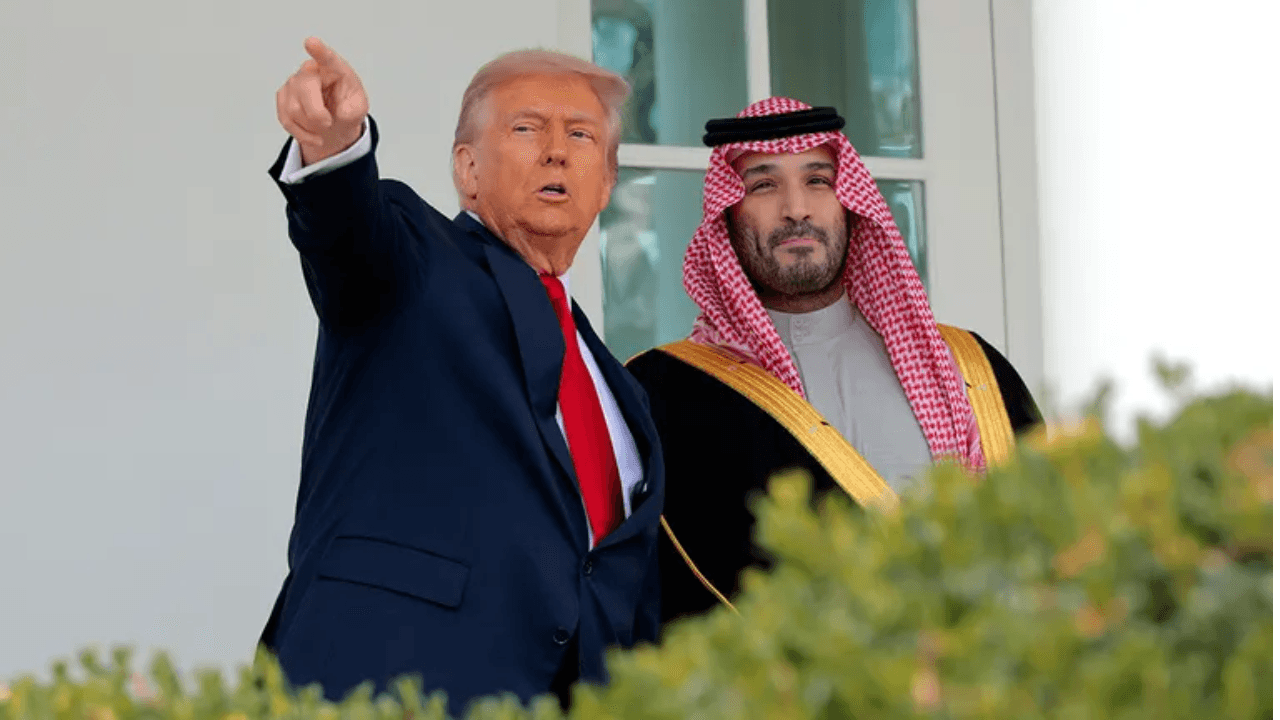
A Saudi nuclear deal with the U.S. is raising new fears over uranium enrichment in the Middle East.
The United States and Saudi Arabia signed a new civil nuclear cooperation agreement Wednesday that could open the door for the kingdom to enrich uranium for a civilian nuclear energy program.
U.S. Energy Secretary Chris Wright and Saudi Energy Minister Prince Abdulaziz bin Salman signed the agreement, known as a 123 agreement, along with what the Trump administration described as a bilateral safeguards agreement.
The deal could reshape U.S. ties with Riyadh and spark a major debate in Congress over nuclear safety, regional power and the risk of proliferation.
What the Agreement Does
A 123 agreement is required under U.S. law before American companies can make major transfers of nuclear materials, equipment or technology to another country.
The Energy Department says these agreements allow peaceful nuclear cooperation, including technical exchanges, scientific research and safeguards discussions. More details are available from the U.S. Energy Department’s 123 agreements page.
Reuters reported that the new U.S. Saudi deal would allow Saudi Arabia to build nuclear reactors using American technology and pursue uranium enrichment, a sensitive process that can be used for civilian fuel or, at higher levels, nuclear weapons material.
The agreement now heads into a congressional review period, where lawmakers could try to block it.
Saudi Arabia Could Build an Enrichment Facility
The Trump administration released limited details about the deal.
But a person familiar with the matter told the Associated Press that the framework could lead to a uranium enrichment facility in Saudi Arabia after a joint U.S. Saudi study.
The Associated Press reported that the agreement is set to last 30 years and could give Saudi Arabia access to uranium enrichment capability for its civilian nuclear program. Read AP’s report here: Associated Press report on the U.S. Saudi nuclear agreement.
Rubio Defends the Deal
Secretary of State Marco Rubio defended the agreement while speaking to reporters in the Philippines.
Rubio said the United States would not make an agreement with any country if it created a risk of nuclear proliferation.
Energy Secretary Chris Wright also defended the deal, saying it supports U.S. Saudi commercial ties while keeping high standards for nuclear safety and nonproliferation.
Those comments show the administration’s main argument. It says the deal can boost American nuclear business, support Saudi energy goals and still prevent the spread of nuclear weapons.
Critics Warn of a Dangerous Precedent
Critics say the enrichment issue makes this agreement different from past U.S. nuclear deals in the region.
The United Arab Emirates agreed in a 2009 nuclear cooperation deal not to enrich uranium or reprocess spent fuel. That deal was often described by U.S. officials as a nonproliferation gold standard.
The Saudi agreement appears to move away from that model.
Reuters reported that the pact has alarmed some U.S. lawmakers and regional officials because it would allow Saudi Arabia to enrich uranium and process spent fuel. Read Reuters’ explainer here: Reuters report on Saudi nuclear deal concerns.
Why Uranium Enrichment Matters
Uranium enrichment can produce fuel for nuclear power plants.
But the same basic technology can also be used to produce material for nuclear weapons if enrichment levels rise far enough. That is why enrichment rights are among the most sensitive issues in nuclear diplomacy.
Saudi Arabia says it wants nuclear power to diversify its energy supply and preserve more oil for export.
But Crown Prince Mohammed bin Salman has previously said Saudi Arabia would seek a nuclear weapon if Iran obtained one. That history is one reason the new deal is drawing close scrutiny.
Congress Could Become the Next Battleground
The agreement must go through Congress before it can take effect.
Reuters reported that the pact will face a 90 day congressional review period. Lawmakers can try to stop it, though blocking such agreements can be difficult if the White House strongly supports them.
Some Democrats and nonproliferation experts are expected to question why the administration would permit enrichment in Saudi Arabia while opposing Iran’s nuclear program.
Supporters may argue that a U.S. backed deal gives Washington more influence than leaving Riyadh to seek nuclear help from China or Russia.
A Deal With Big Regional Consequences
The timing adds to the stakes.
The agreement comes during a tense period in the Middle East, with the United States and Iran locked in a dangerous confrontation and Gulf energy routes under pressure.
If Saudi Arabia gains enrichment capability, other countries in the region may demand similar rights.
That could make civilian nuclear power a new front in the Middle East’s security competition.
A Nuclear Partnership With Political Risk
The Trump administration says the deal will bring American technology, jobs and influence to Saudi Arabia while protecting against weapons risks.
Critics see a much more dangerous gamble. They fear the agreement could weaken nonproliferation rules and push the region toward a nuclear race.
The next fight now moves to Congress.
What lawmakers decide could shape not only U.S. Saudi relations, but the future of nuclear power and nuclear risk across the Middle East.