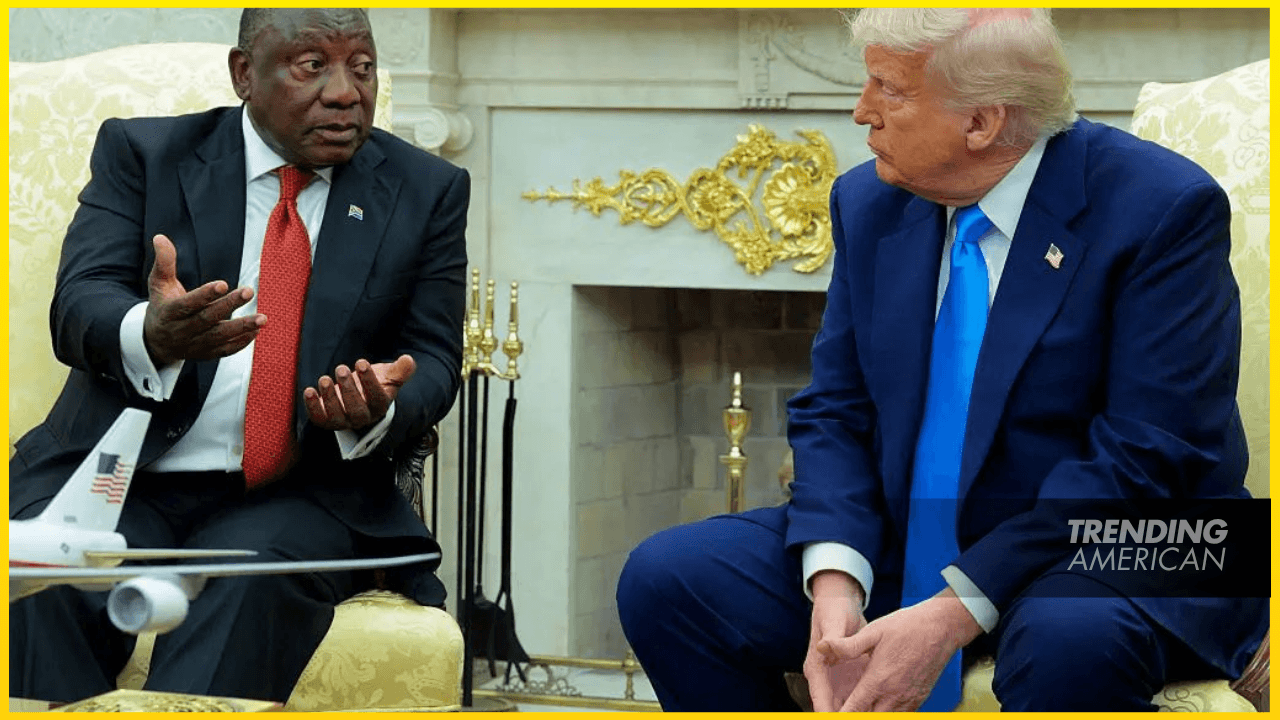
At the 2025 G20 Summit in Johannesburg, South African President Cyril Ramaphosa faced the awkward moment of passing the G20 presidency to an empty chair, a stark symbol of U.S. President Donald Trump’s boycott. While the U.S. cited controversial allegations about South Africa’s treatment of its white minority, labeled as unfounded by South African officials, this absence marked a historic first: the U.S. not sending any representative to a G20 summit.
Meanwhile, India’s presence stood in sharp contrast. Under Prime Minister Narendra Modi, India not only attended but actively engaged with South Africa, emphasizing collaboration on Global South priorities like climate finance and debt relief. Modi’s attendance spotlighted solidarity and a commitment to multilateral diplomacy, casting India’s leadership role as pivotal in a fragmented global environment.
The absence of Trump alongside other leaders like Argentina’s Javier Milei and Russia’s Vladimir Putin, who stayed away for various reasons, highlighted growing global divisions. Yet India’s involvement magnified its influence and commitment to cooperation, especially echoing its historic inclusion of the African Union as a permanent G20 member in 2023—a landmark move in amplifying Africa’s voice on the world stage.
As the world watches, the empty chair becomes more than a political statement; it underscores the ongoing debate about diplomacy, global partnerships, and the power of presence in leadership.
Disclosure: We may earn a commission when you make a purchase through the ads.