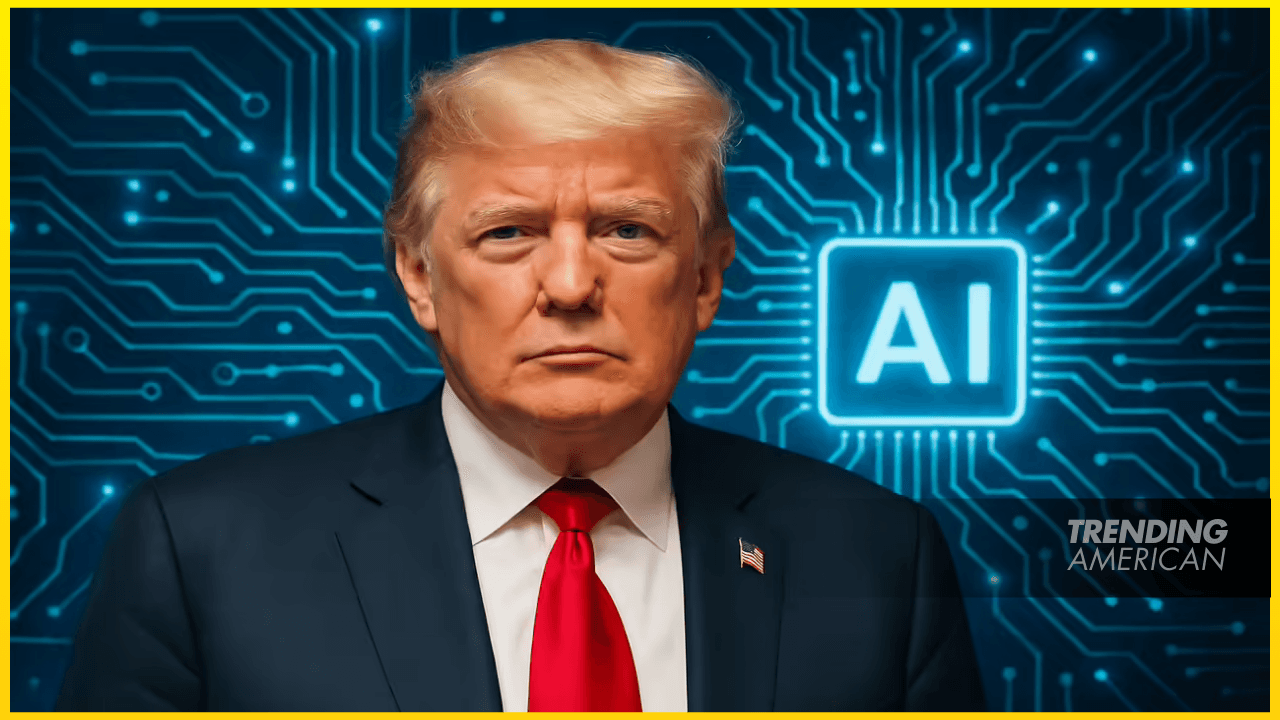
President Donald Trump is moving toward a federal executive order to create a single national rulebook for artificial intelligence, aiming to curb state AI regulations and avoid a 50-state patchwork. The plan would seek to establish a national standard for AI rules and could direct the Department of Justice to challenge or sue states with onerous AI regulations. The White House has also floated an enforcement strategy and an ‘AI Action Plan’ that could condition federal funding on compliance with the national standard, signaling a broader approach to enforcement beyond the rules themselves.
The move has drawn visible resistance from both red- and blue-state actors. In red states, governors and lawmakers are signaling a defense of states’ rights and skepticism about federal overreach. In blue states, lawmakers emphasize existing protections and have voiced concerns that a centralized standard could stifle state-level innovations and tailored regulations—though some blue states have also acknowledged the potential benefits of alignment with a nationwide framework. Coverage highlights that Florida, among others, has continued pushing its own AI proposals, illustrating ongoing state-level activity even as federal aims advance.
Mechanisms behind the order would include a national standard for AI rules and the possibility of directing the DOJ to sue states with onerous AI laws. The White House has signaled broader enforcement tools and the use of funding conditions under an ‘AI Action Plan’ to shape a uniform national approach to AI regulation.
The administration has signaled the order could be issued in the near term, with substantial debate among lawmakers and the public as the 2025-2026 policy window unfolds. The development of a unified framework is intended to preserve U.S. leadership in AI innovation while avoiding a patchwork of state laws that could complicate compliance for the industry and hinder experimentation and rollout.
The push reflects a strategic aim to maintain a cohesive national policy that aligns federal leadership with the desire to prevent a fragmented regulatory landscape, even as political scrutiny and legal challenges loom. Media reporting from outlets such as Business Insider, the New York Times, CNN, and Roll Call has tracked the evolving debate and the policy’s potential implications for state authority and innovation.
Disclosure: We may earn a commission when you make a purchase through the ads.