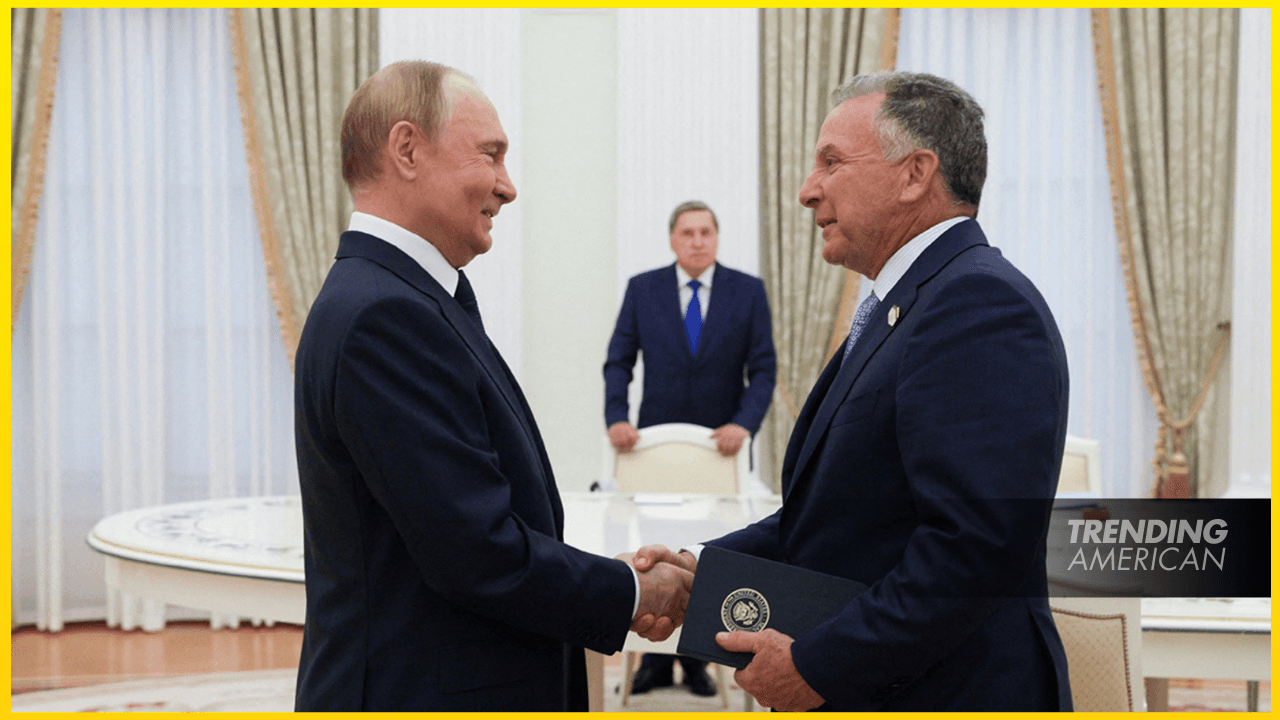
In Moscow this week, Steve Witkoff—Trump’s special envoy—leads a U.S. delegation that includes Jared Kushner and other American and Ukrainian officials in talks with Vladimir Putin. The purpose of the meeting is to advance a U.S.-backed peace framework, specifically an amended 19-point plan that follows earlier 28-point proposals, with the aim of ending the Russia-Ukraine war. Zelenskiy is reportedly involved in parallel diplomatic efforts, underscoring the breadth of ongoing diplomacy.
The talks come as Washington tests Moscow’s willingness to negotiate on key issues, including security guarantees and potential territorial considerations. The delegation seeks to hear Moscow’s position and read signs about whether Putin will engage in earnest negotiations or hold firm on core aims that have stalled previous rounds of diplomacy.
Officials describe the session as part of a broader effort to revive and refine mediation efforts led by the Trump administration. While a framework could emerge if both sides find common ground, Putin has signaled a cautious, demand-driven approach, suggesting that any agreement would need to address Russia’s security concerns before concrete concessions are made.
Analysts say the Moscow talks could set the tempo for a longer process: a cautiously optimistic step if negotiators can align on the 19-point elements, or a sign that major gaps—particularly on security guarantees and territorial questions—will persist. The outcome will be watched closely by Kyiv and its international supporters who remain wary of prolonged stalemate.
Disclosure: We may earn a commission when you make a purchase through the ads.