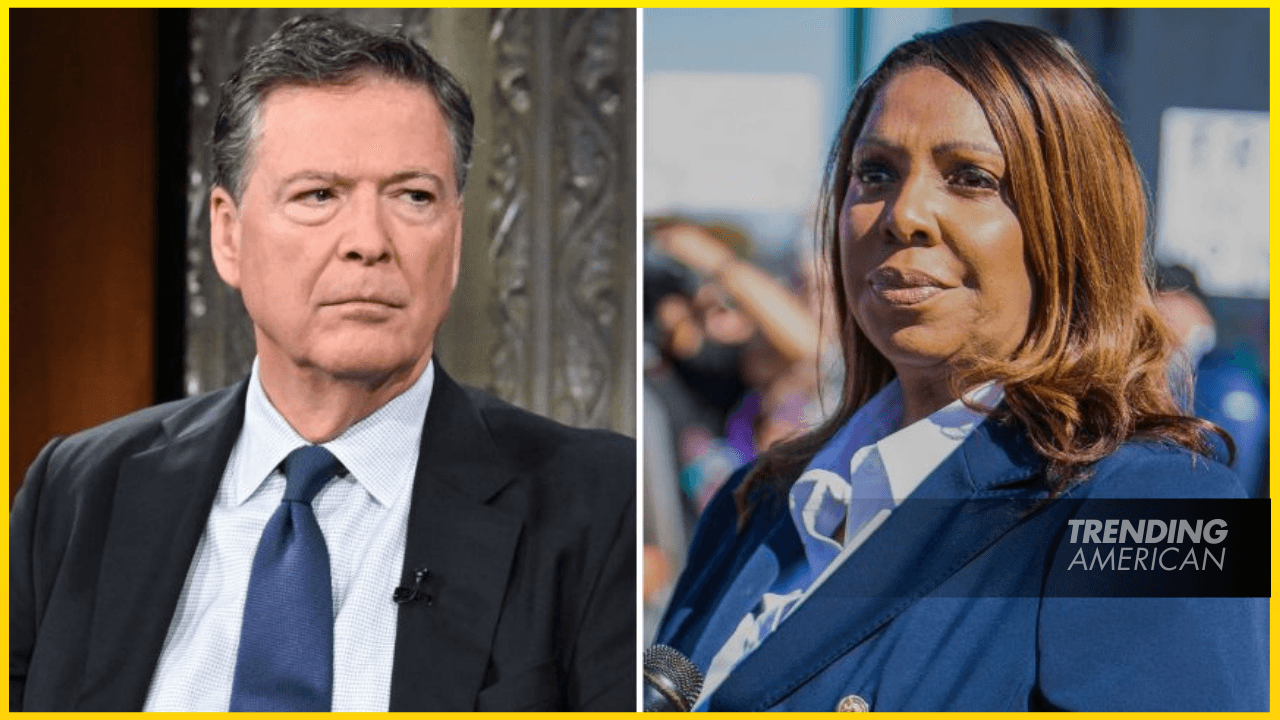
In a federal courtroom in South Carolina, Judge Cameron Currie ruled that the government’s case against former FBI Director James Comey and New York Attorney General Letitia James could not stand. The indictments were dismissed after prosecutors acknowledged that Lindsey Halligan, appointed by President Trump, had been unlawfully appointed, undermining the legality of the prosecution.
The decision, handed down on November 24, 2025, sent shockwaves through Washington, as former President Trump had publicly signaled willingness to pursue further charges against political opponents. Comey and James breathed relief as the structural flaw imperiled the basis for the case. The judge’s ruling centered on procedural propriety: because Halligan’s appointment was unlawful, the legal foundation for indicting the two officials collapsed.
What happens next remains uncertain. DOJ officials are evaluating options, including potential appeals to higher courts and the possibility of reassigning the case to a prosecutor who is lawfully appointed. Legal observers noted that if an appeal proceeds, it could delay any fresh prosecution and invite scrutiny of appointment procedures in other cases.
Lindsey Halligan’s status as the prosecuting attorney was a critical linchpin in the judgment. The ruling raises questions about whether new indictments could be brought against Comey or James, and under what circumstances, if any, a new prosecutor is appointed in compliance with federal appointment rules. The defendants have expressed relief, while supporters of the investigation argue the breach was a significant procedural defect that must be resolved before any further charges can be pursued.
Disclosure: We may earn a commission when you make a purchase through the ads.