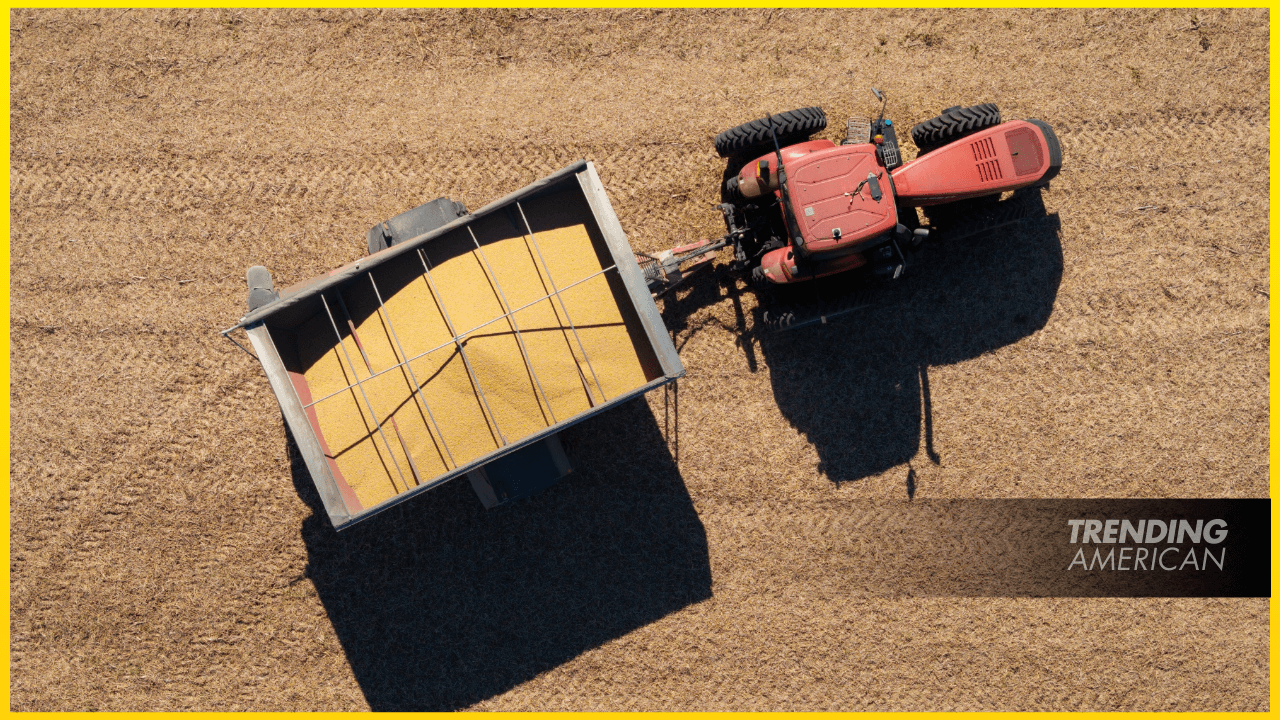
In Washington, D.C., the Trump administration is preparing to unveil a long-awaited $12 billion farm aid package designed to cushion U.S. farmers hit by tariff-driven price fluctuations. White House officials say the package will be presented at a Monday event with farmers from across the agriculture sector. The centerpiece is up to $12 billion in aid, with as much as $11 billion distributed as one-time payments to crop producers under the Agriculture Department’s newly designed Farmer Bridge program. The remaining funds are reserved for crops not covered under the program. The money comes from authorities granted by the Commodity Credit Corporation Charter Act and will be administered by the U.S. Department of Agriculture’s Farm Service Agency, according to officials who spoke on condition of anonymity because the details were not yet public. The plan was previously floated as a way to use tariff revenues to support farmers amid ongoing trade tensions, and it reflects the administration’s effort to stabilize farm incomes amid market volatility.
Farmers have faced a difficult economic arc in recent years, with export markets disrupted by tariff policies and prices for key crops fluctuating. While soybean purchases have shown signs of improvement after a late-October agreement with China, current export volumes remain below what producers hoped to ship abroad. Even with recent upticks, crop prices remain near some of the lowest levels seen since 2020, straining farm finances as input costs rise.
The package signals the administration’s willingness to address farm livelihoods as a political and economic priority ahead of next year’s elections. Boosting farmer support could influence political dynamics in rural areas and shape debates over tariff policy as the government weighs its approach to trade tensions and agricultural subsidies going forward.
Past relief efforts under Trump have included substantial payments to farmers during his first term, but analysts note that the broader trade conflict had lasting repercussions for global agricultural markets. The new plan aims to provide targeted relief while the administration charts a course through tariff policy amid ongoing economic stress.
Disclosure: We may earn a commission when you make a purchase through the ads.