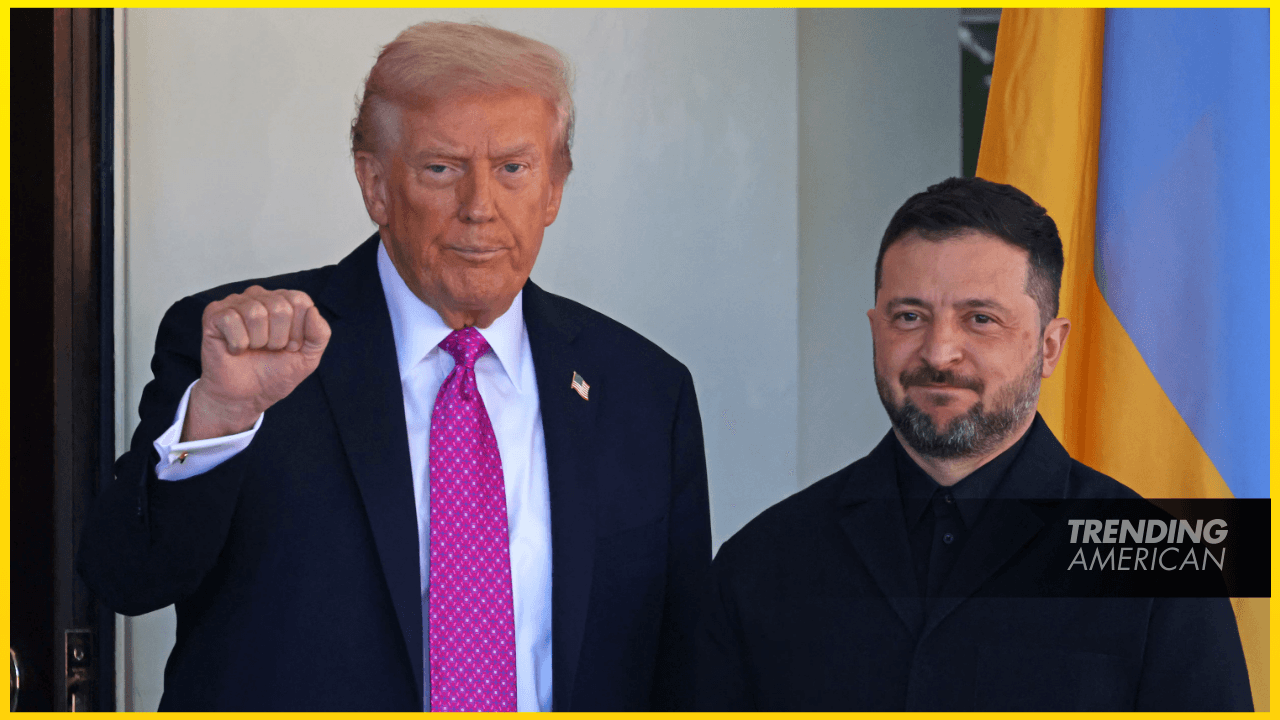
Mar-a-Lago, Palm Beach, Florida — December 28–29, 2025 — President Donald Trump hosted Ukrainian President Volodymyr Zelenskyy for high-level talks aimed at advancing a negotiated end to Russia’s invasion of Ukraine. The two leaders emerged with a cautiously hopeful read on the trajectory of the talks, reporting substantial progress on a 20-point peace plan and on security guarantees sought by Kyiv, even as thorny issues about Donbas territorial status and the terms of any ceasefire remained unresolved.
Zelenskyy framed the discussions as near in reach on the core framework: according to him, the 20-point plan was about 90% ready and the security guarantees about 95% complete. Officials described the negotiations as productive, with agreement narrowing on many elements while disagreements persisted on sensitive questions of territory and enforcement.
Trump indicated that he could travel to Ukraine if such a trip would help finalize the deal, a move that could signal strong U.S. buy-in and potentially accelerate negotiations. He also floated the possibility of trilateral talks involving Russia later, should conditions permit. Putin spoke with Trump by phone during or in the run-up to the Florida talks, and European leaders including President Emmanuel Macron and Ursula von der Leyen pledged to back concrete security guarantees for Kyiv as part of the broader settlement.
The talks at Mar-a-Lago also laid groundwork for continued engagement: U.S. and Ukrainian negotiators were set to meet again next week, with European partners expected to contribute specific assurances and possibly participate in further discussions. Officials cautioned that while the pace and scope of agreement had grown, several core issues needed resolution before a durable ceasefire and political settlement could be announced.
Analysts stress that the most contentious topics remain Donbas’ status and the precise terms of security guarantees that would deter renewed aggression, as well as how any agreement would be verified and enforced. Still, participants expressed optimism that the weekend’s progress could pave the way for a broader, structured dialogue in the weeks ahead, including potential trilateral formats with Russia when conditions are right.