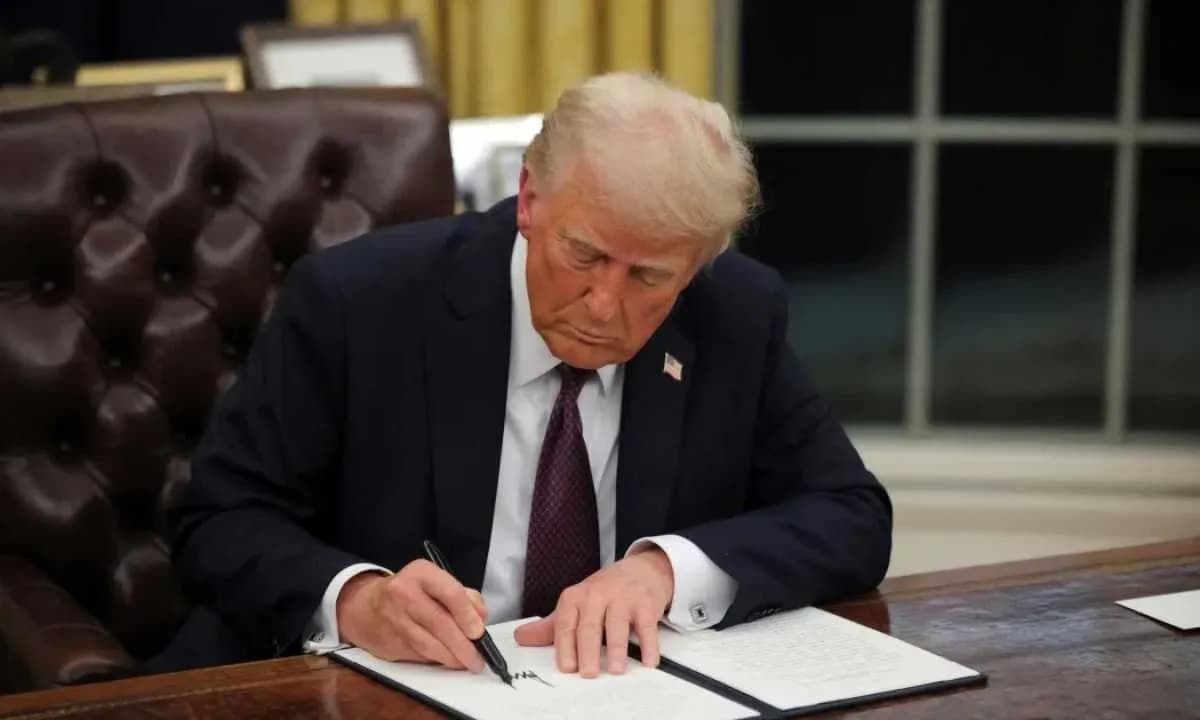
On Monday, aboard Air Force One, President Donald Trump signed a series of executive orders that signal sweeping changes to the U.S. military. Among the most talked-about aspects is the ban on transgender troops.
The reinstatement of service members discharged for refusing COVID-19 vaccines, the elimination of diversity, equity, and inclusion (DEI) programs, and plans for a space-based missile defense shield also were among the key highlights.
This isn’t the first time Trump has tried to implement such a ban. In 2017, he introduced a similar policy during his first term. However, it faced significant legal challenges and was later reversed by President Joe Biden in 2021.
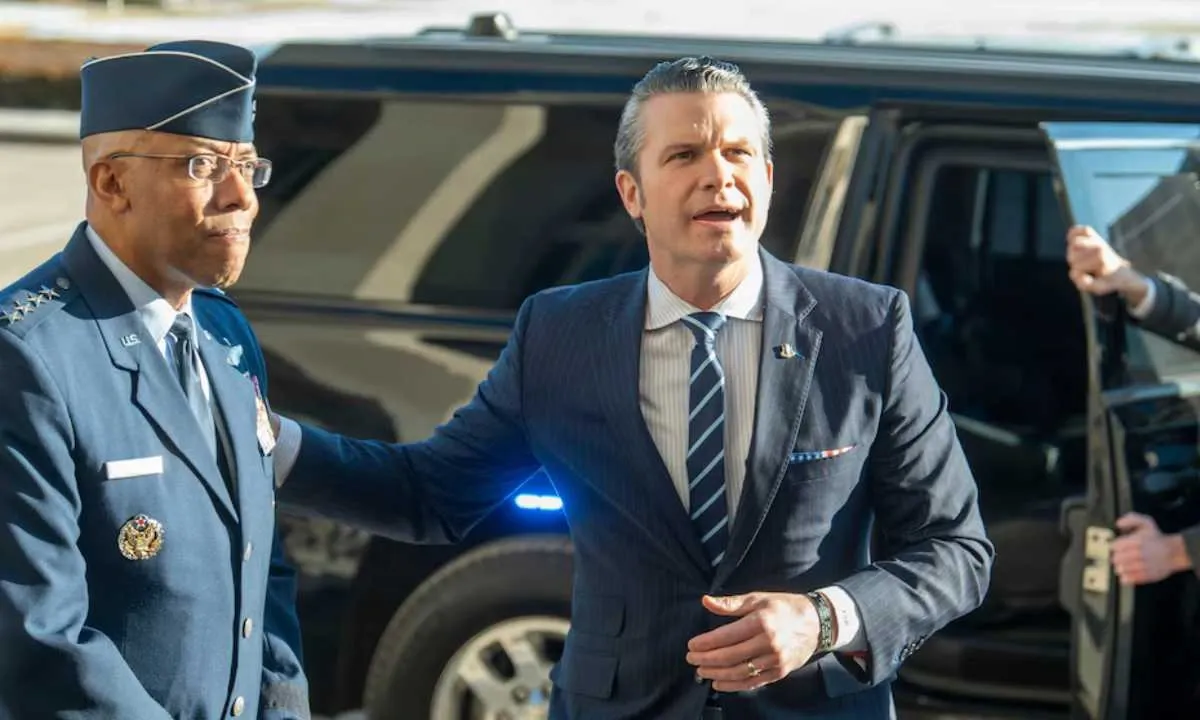
The newly appointed Defense Secretary Pete Hegseth, sworn in on Saturday, has vowed to reshape military culture. His plans include removing what he calls “woke” service members and cutting DEI programs.
Transgender Ban: Revisiting a Controversial Policy
Details of the Ban
One of the most significant aspects of the executive order is the directive to ban transgender individuals from serving in the military. Trump’s rationale for this move includes concerns about military readiness and what he calls “conflicts with a soldier’s commitment to an honorable, truthful, and disciplined lifestyle.”
The order doesn’t immediately implement the ban but directs Defense Secretary Pete Hegseth to draft policies for how it will be enforced.
Historical Context
This is not a new debate. In 2017, Trump attempted to ban transgender troops, but his efforts were tied up in courts for years. President Biden reversed this policy in 2021, allowing transgender individuals to serve openly. This was seen as a victory for the LGBTQ+ community, restoring rights that had been taken away under the previous administration.
Legal Challenges
As expected, the new directive has sparked backlash. Advocacy groups such as Lambda Legal and the Human Rights Campaign have promised to fight this policy in court.
Sasha Buchert, an attorney with Lambda Legal, stated, “Not only is such a move cruel, it compromises the safety and security of our country and is particularly dangerous and wrong. As we promised then, so do we now: we will sue.”
The Military’s Cultural Shift: DEI Rollbacks and ‘Woke’ Service Members
Elimination of Diversity Programs
Another controversial part of Trump’s executive orders is the elimination of DEI programs in the military. Pete Hegseth, the new defense secretary, has openly criticized these programs, calling them unnecessary and harmful to military culture. He also mentioned plans to remove “woke” service members, though specifics on how this will be determined remain unclear.
According to Hegseth, these changes aim to streamline the military and focus on its core mission. “Today, there are more executive orders coming … on removing DEI inside the Pentagon,” he said.
Critics argue that eliminating DEI programs could negatively affect morale and recruitment. These programs were designed to promote inclusivity and ensure a diverse workforce, which many believe strengthens the military. The rollback raises questions about how these changes might impact public perception of the U.S. military.
Vaccine Refusals and Reinstated Troops
Details of the Reinstatement Order
Another significant order signed by Trump reinstates troops who were discharged for refusing COVID-19 vaccines. Additionally, it provides back pay to those who were affected.
This decision has drawn mixed reactions. Supporters view it as correcting an overreach by previous policies, while critics worry it undermines discipline and health standards within the military.
Defense Secretary Hegseth has emphasized the rapid implementation of these orders, ensuring that reinstated troops are brought back into the fold as quickly as possible.
Conclusion
President Trump’s latest executive orders mark a significant shift in military policies, particularly concerning transgender service members, DEI programs, and vaccine mandates. While supporters view these changes as a step toward restoring traditional values in the military, critics argue that they could harm readiness, morale, and inclusivity.
Also read,