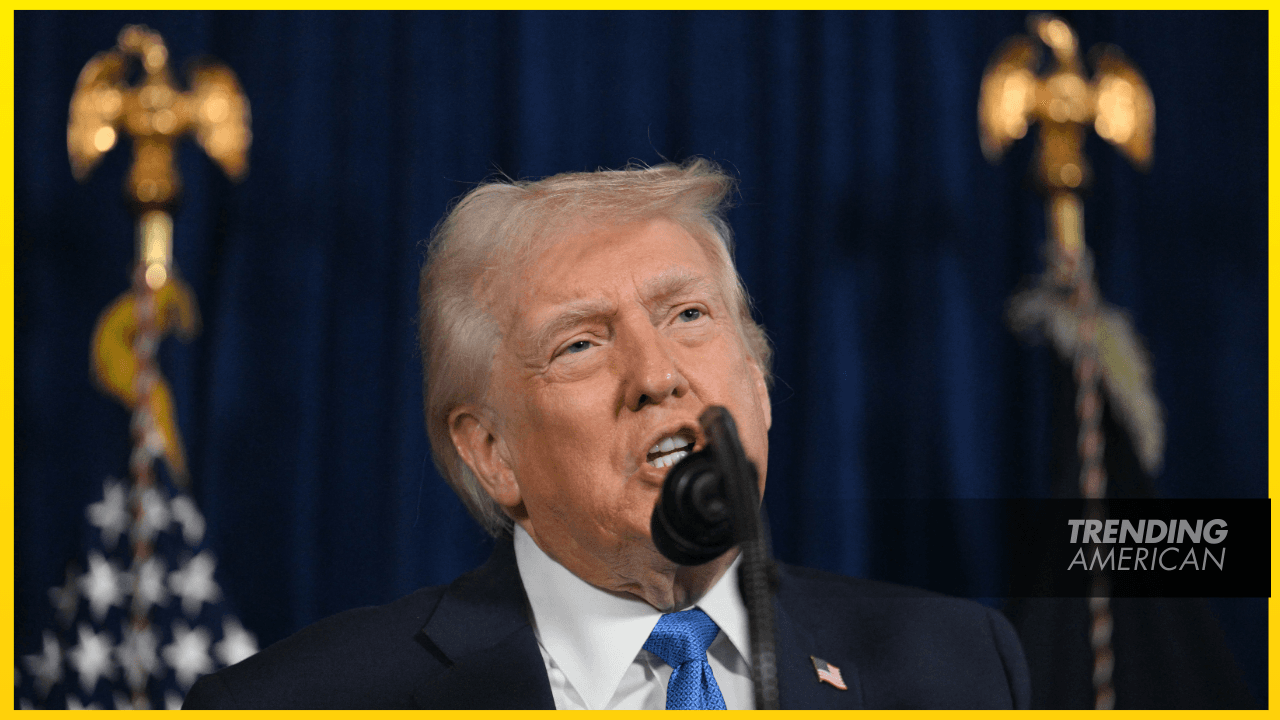
In early January 2026, the political debate surrounding President Donald Trump intensified as Democratic members of the U.S. House began exploring a third impeachment. The focal point is a Venezuela operation that culminated in the capture of Nicolás Maduro and his transfer to U.S. custody, an action supporters describe as a decisive strike against a longtime adversary and critics call a potential bypass of Congress and a violation of War Powers.
Maduro was captured in Caracas around January 3, 2026. By January 4–6, impeachment discussions were circulating in Washington, and coverage of the developing story intensified through January 5–6. The operation, its legality, and the proper congressional role in such actions became the central questions of the moment, illustrating the broader partisan split surrounding presidential war powers and oversight.
Democratic lawmakers argue that Maduro’s capture—whether framed as a law-enforcement action or a military operation—sidesteps the constitutional process requiring congressional authorization for hostilities. They warn that proceeding without formal war powers authorization sets a dangerous precedent for how future presidents might engage in military actions without legislative check.
On the other side, Trump and allies contend that the Venezuela operation was a lawful enforcement action aimed at confronting a hostile regime. They frame it as a necessary move against a recognized antagonist and emphasize swift executive action in the face of imminent threats, asserting that the operation falls within permissible presidential powers when time-sensitive decisions are at play.
The articles describing the impeachment push do not guarantee a path to conviction. Any impeachment effort now would require formal articles of impeachment in the House, followed by floor votes and, if approved, trial in the Senate. The proceedings would hinge on interpretations of constitutional authority, War Powers, and the standards for impeachable offenses.
The debate underscores a deep partisan divide over presidential authority and congressional oversight. If pursued, a third impeachment could reshape how lawmakers and the public view the balance between executive action and legislative constraint, with potential spillover into foreign policy and domestic governance.
As the country watches the impeachment conversation unfold, the Maduro capture and subsequent diplomatic/legal maneuvers anchor a broader debate about constitutional boundaries in wartime and wartime-like actions, testing the resilience of checks and balances in a polarized era.