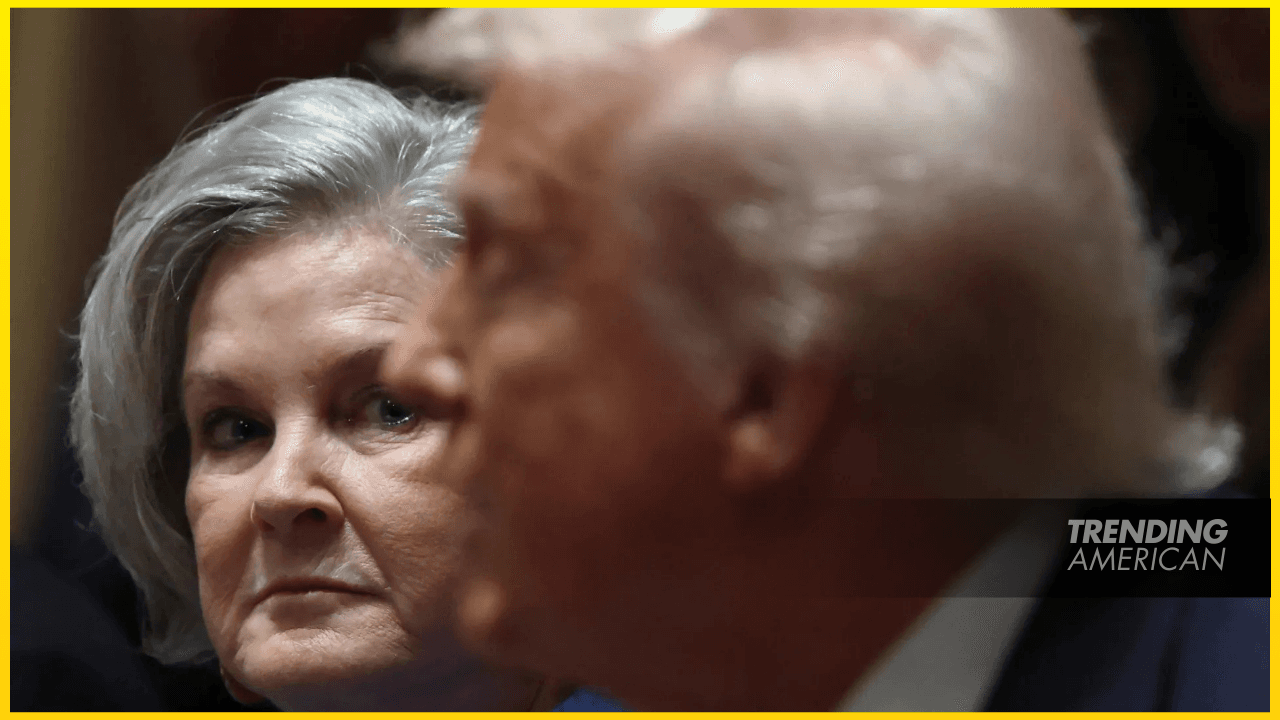
In a Washington defined by leaks and high-profile interviews, President Trump has publicly stood by White House chief of staff Susie Wiles, defending her leadership as Vanity Fair published conversations that reveal tensions within the administration’s inner circle. The reporting centers on Wiles’s portrayal of the Trump operation and the roles of JD Vance, Pam Bondi, and Elon Musk, supplementing broader references to Vladimir Putin and Nicolas Maduro in the context of discussions about foreign policy and information handling.
Wiles’s remarks, as described in Vanity Fair, describe Trump’s temperament in stark terms and raise questions about how the White House balances loyalty, decision-making, and public messaging. The interviews include a characterization of Trump’s temperament as an “alcoholic’s personality,” with Wiles reportedly singling out Bondi and Vance during discussions about Epstein-related material. Bondi is portrayed as having “completely whiffed” early handling of Epstein information, while Vance is described by Wiles as a “conspiracy theorist” whose insights, in her view, reflect a public priority on sensitive material.
Additionally, Wiles is quoted describing Elon Musk as an “odd, odd duck,” and she relays Trump’s hardline interpretation of Russia’s aims, including Putin’s perceived desire to influence the outcome of the conflict in Ukraine. These passages paint a portrait of a manager navigating a complex web of personalities and external pressures while trying to maintain a consistent policy stance.
Trump’s response has been to defend Wiles and reiterate his confidence in her leadership. “She’s done a fantastic job,” the president said, signaling a commitment to the chief of staff during a period of intense scrutiny. The White House highlights loyalty and stability as essential to governing, even as the newest round of sensational reporting tests the administration’s messaging and unity.
The broader context of Vanity Fair’s reporting suggests there are unresolved tensions within Trump’s circle and a continuing risk to the administration’s narrative. Observers worry that internal disagreements could complicate policy communication, influence personnel dynamics, and raise questions about governance and information management inside the White House. The coverage, which drew on outlets such as Al Jazeera, the Globe and Mail, TRT World, and others, underscores how leaks and interviews can shape public understanding of how this administration operates and who wields influence behind the scenes.
As the administration faces ongoing scrutiny, the question remains: will Wiles’s leadership steady the ship, or will the fallout from these disclosures push how the White House operates in new directions? Observers will be watching closely for any shifts in staffing, policy emphasis, or messaging as officials navigate the implications of Vanity Fair’s disclosures and the president’s declared support for his chief of staff.
Disclosure: We may earn a commission when you make a purchase through the ads.