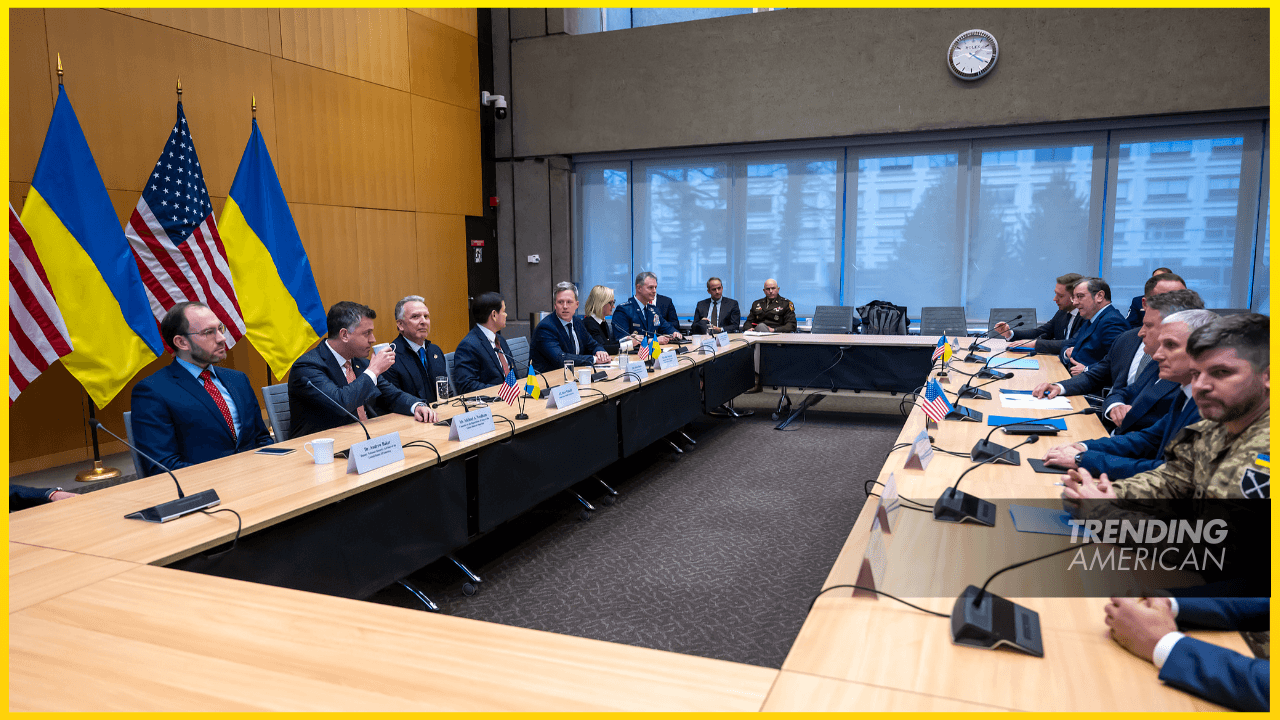
In a bid to end the long-running war in Ukraine, President Donald Trump has dispatched his special envoy, Steve Witkoff, to Moscow to press for a final version of a US-backed peace plan. Witkoff is slated to meet Russian President Vladimir Putin in the coming days as Washington seeks to bridge remaining gaps in the blueprint designed to end the conflict and ensure regional security and governance arrangements are acceptable to all parties involved. Washington’s ambassadorial team and leniency toward Kyiv’s leadership—led by President Volodymyr Zelensky—are coordinating the effort, with Dan Driscoll, the US Army Secretary, and other senior advisers closely monitoring the diplomacy.
Ukraine’s leadership has indicated that a common understanding on the plan has been reached and that Moscow may be consulted on amendments next week. Kyiv says progress is real and that the plan is now moving into the final, more technical phase, including discussions with Moscow about security guarantees, territorial controls, and phased implementation. Still, Kyiv stresses that final acceptance awaits further consultations with Moscow and Kyiv’s own negotiating teams.
The next phase, according to Ukrainian and Western officials briefed on the matter, will take place in Moscow, where Witkoff will outline the administration’s preferred text and seek a consensus on any changes before presenting the deal to Kyiv for final endorsement. The discussions are expected to advance in parallel with ongoing talks with Kyiv, as both sides seek to iron out differences and lock in concrete timetables for a ceasefire, election oversight, and reconstruction support. Russia has signaled it will not accept sweeping changes without being heard on amendments and has demanded that Moscow be consulted on any proposed revisions to the plan.
Despite the progress, several sensitive issues remain unresolved. Key sticking points include security guarantees that would deter renewed aggression, the precise degree of regional autonomy or control to be granted in affected areas, and the sequencing of political and security measures. Western officials have cautioned that while a framework exists, its successful implementation will depend on sustained political will from both Moscow and Kyiv, as well as robust international monitoring and enforcement mechanisms.
The unfolding diplomacy—spurred by Trump’s decision to deploy Witkoff and coordinate with allied governments—signals a persistent push from Washington to bring the conflict to a definitive end. Observers warn that even with a favorable understanding, the path to a durable solution could be lengthy and fragile, requiring continuous negotiation beyond the current round of consultations. The international community will be watching closely as the Moscow talks unfold, hoping for a blueprint that can endure beyond political calendars and electoral cycles.
Disclosure: We may earn a commission when you make a purchase through the ads.