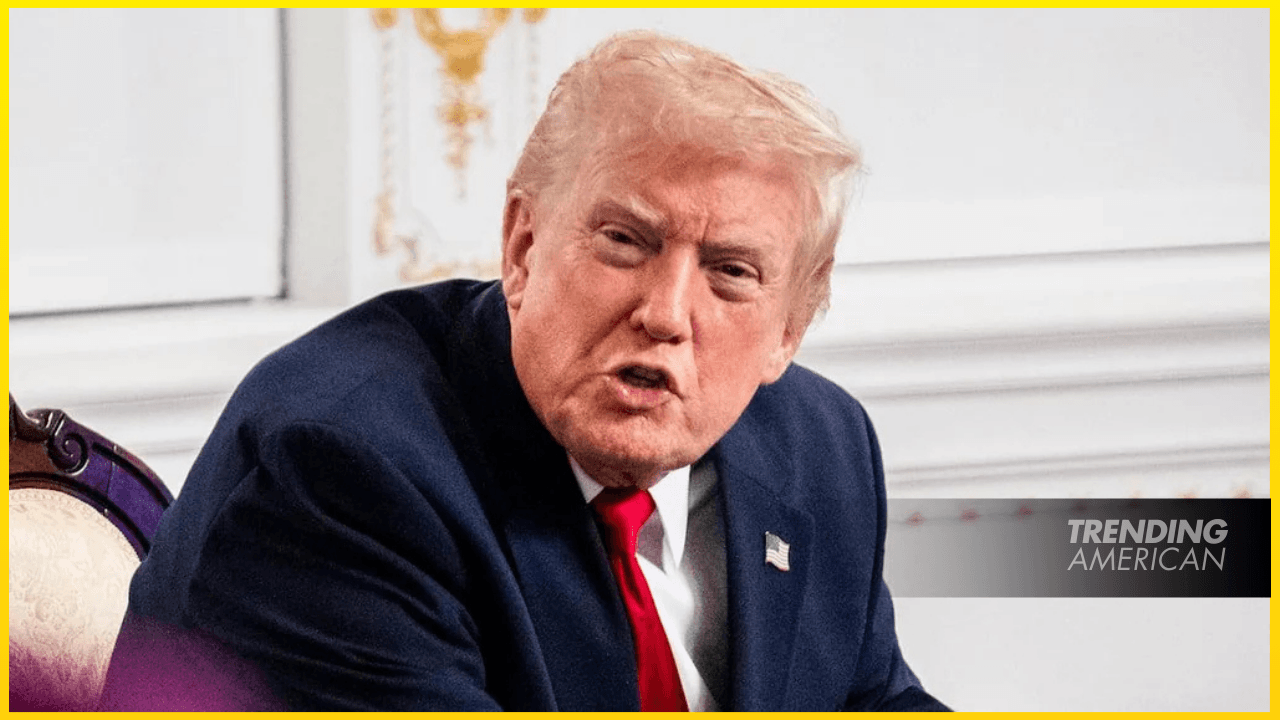
In a White House moment that drew sharp attention from newsrooms across the globe, President Donald Trump directed a personal insult at a female reporter during remarks in the Oval Office and later echoed the sentiment in a Truth Social post. The confrontation, tied to questions about the administration’s handling of multiple political and media challenges, has intensified scrutiny of the former president’s frequent targeting of women in journalism.
According to contemporaneous reporting surrounding the incident, Trump attacked the reporter’s appearance, calling her ugly and labeling her a terrible reporter. The remarks were tied to coverage by The New York Times, with Katie Rogers contributing to the piece that described the exchange and the tone of presidential interactions with reporters. Mary Bruce of ABC News was also cited in related discussions, underscoring the pattern of personal criticisms leveled at female journalists in recent months.
The sequence of events began with questions from reporters about the administration’s messaging and a broader pattern of disputes with the press. In the Oval Office, Trump’s remarks were swift and personal, directing his comments toward the female journalist rather than the substance of the questions. The same sentiments resurfaced in a Truth Social post shortly after, amplifying the moment beyond the White House walls.
Public coverage of the incident noted it was not an isolated outburst. NBC News, The Guardian, The Daily Beast and other outlets highlighted how Trump has in the past singled out female reporters, using descriptors that critics say skew toward gendered insults. These reports mapped the incident onto a broader narrative: a rising tension between Trump and the media, characterized by sharp personal rebukes that critics say undermine press freedom and chill newsroom scrutiny.
From a media-analysis perspective, commentators argued that the remarks run counter to expectations for presidential conduct, especially in an era when briefings and exchanges with reporters are treated as essential checks on executive power. While supporters might view the remarks as a blunt response to what they perceive as “fake news,” critics argue that personal branding and insults toward female journalists contribute to a hostile environment for women covering national politics.
The incident also drew mention of previous episodes in which Trump targeted female reporters for their looks or for challenging questions. Coverage across outlets—from NBC News’s reporting on a similar incident to The Guardian’s profile of Trump’s rages against female reporters—helped frame this latest moment as part of an ongoing pattern rather than a standalone occurrence. Additional outlets catalogued similar episodes, reflecting a broader media ecosystem that remains vigilant about language used by political leaders when addressing women in the press.
As the story circulated, newsroom watchers and political commentators urged a measured response that differentiates between criticism of reporting and personal attacks that target gender or appearance. The White House and Trump allies have not offered a formal rebuttal to the broader reporting, but the rising chorus of analysis underscores the high stakes of press accountability in a polarized environment.
This article will be updated as additional details emerge or as new responses from editors, reporters and watchdog groups become available. For readers seeking more perspectives on the incident, comparative coverage from NBC News, The Guardian, The Daily Beast and other outlets is included in the references appended below.
Disclosure: We may earn a commission when you make a purchase through the ads.