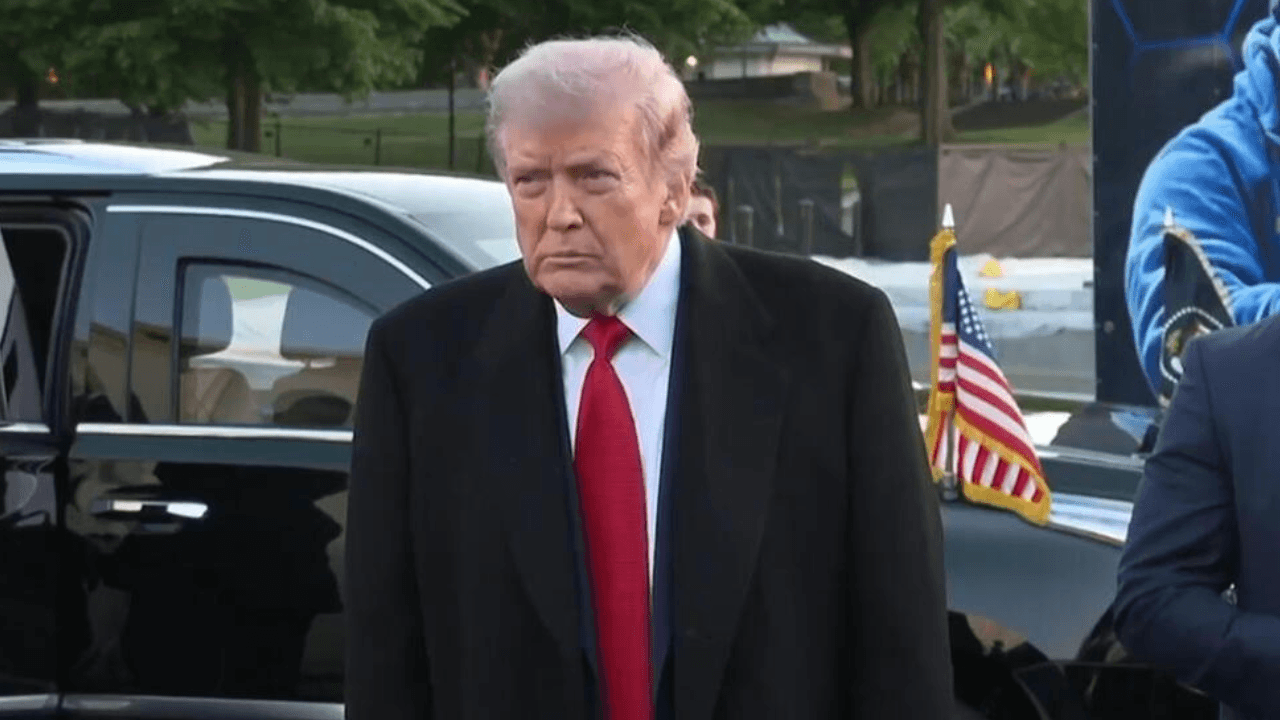
The Trump Iran deal push has raised hopes for peace, but Tehran says no agreement is imminent.
President Donald Trump is pressing for a broad Middle East peace plan that would combine talks with Iran, a reopening of the Strait of Hormuz, and a wider expansion of the Abraham Accords. But Iranian officials are pushing back against claims that a final agreement is close.
Trump said talks with Iran are “proceeding nicely,” while warning that any agreement must be a “great deal” or there will be no deal. He also said a failure could return the region to fighting “bigger and stronger than ever before.”
The comments came as U.S. and Iranian negotiators continued indirect talks through Qatar and Oman. Secretary of State Marco Rubio said Tuesday that a deal could still take “a few more days,” according to Reuters.
Trump Wants Abraham Accords Expansion
Trump is also calling for more Middle Eastern and Muslim majority nations to join the Abraham Accords. The agreements normalized ties between Israel and several countries during Trump’s first term.
The first Abraham Accords were signed in 2020 by Israel, the United Arab Emirates, and Bahrain. Morocco and Sudan later agreed to normalize ties with Israel. The U.S. State Department describes the accords as agreements designed to advance regional peace and cooperation, and more background is available through the U.S. Department of State.
Trump said countries such as Saudi Arabia and Qatar should join the accords as part of a wider regional settlement. He argued that broader recognition of Israel would bring “power, strength, and peace” to the Middle East.
But the proposal faces major obstacles. Saudi Arabia has long linked normalization with Israel to progress on Palestinian statehood. Iran, meanwhile, remains one of Israel’s strongest enemies and has not shown public support for joining any Israel normalization framework.
Iran Says Progress Does Not Mean a Deal Is Close
Iran’s Foreign Ministry spokesman Esmail Baghaei said talks have made progress on some issues. But he rejected claims that a final deal is near.
“It is correct to say that we have reached a conclusion on a large portion of the issues under discussion,” Baghaei said, according to The Guardian. “But to say that this means the signing of an agreement is imminent, no one can make such a claim.”
The warning shows the gap between Trump’s public optimism and Tehran’s more cautious tone. Iran has also objected to some U.S. positions and has continued to frame the talks as unfinished.
That gap matters because the proposed deal touches some of the most sensitive issues in the region, including nuclear activity, shipping lanes, sanctions, and Israel’s security concerns.
Strait of Hormuz Is Central to the Talks
A reported draft deal would focus heavily on the Strait of Hormuz, one of the world’s most important shipping routes. Oil and gas tankers use the narrow waterway to move energy supplies from the Persian Gulf to global markets.
According to reports cited by Reuters and The Guardian, the proposed framework could include a 60 day ceasefire period, the reopening of the strait, and steps to address mines and shipping access. In return, the U.S. could ease parts of its pressure campaign, including some sanctions relief.
Iran has rejected the idea that it would charge “tolls” on ships, while saying fees for navigation services may be part of future arrangements. The details remain disputed.
The U.S. Energy Information Administration has called the Strait of Hormuz the world’s most important oil transit chokepoint. Its disruption can affect energy markets far beyond the Middle East. The EIA’s overview of the waterway is available here.
Nuclear Issue Remains a Major Sticking Point
The Iran nuclear issue remains one of the hardest parts of the talks. U.S. officials have said Iran must limit or remove highly enriched uranium before major relief can happen.
Iran has repeatedly said its nuclear program is peaceful. Western governments and Israel have argued that Iran’s uranium enrichment creates a serious security threat.
The International Atomic Energy Agency monitors Iran’s nuclear program and has reported concerns over uranium enrichment and access to some sites. The agency’s Iran updates can be found through the International Atomic Energy Agency.
Any deal would likely need to address inspections, enrichment limits, sanctions, and what happens to Iran’s existing uranium stockpile. Those issues have broken past negotiations before.
A Peace Plan With Big Promises and Bigger Risks
Trump is framing his plan as a historic chance to reshape the Middle East. His supporters see the Abraham Accords as one of his biggest foreign policy achievements and believe expanding them could create new pressure on Iran.
Critics say the plan may be too broad and too fragile. It asks countries with deep rivalries to move quickly on issues that have divided the region for decades.
Israel has also made clear that it views Iran as a direct threat. Any agreement that offers Iran sanctions relief would likely face close review from Israeli leaders and their allies in Washington.
For now, the talks remain active, but no final agreement has been announced. Trump is promising a “great deal” or no deal. Iran says the world should not assume a breakthrough is imminent.
That leaves the Middle East in a tense pause. A wider peace deal could reopen vital shipping routes and reduce fighting. But if talks fail, the same disputes could push the region back toward a much larger confrontation.