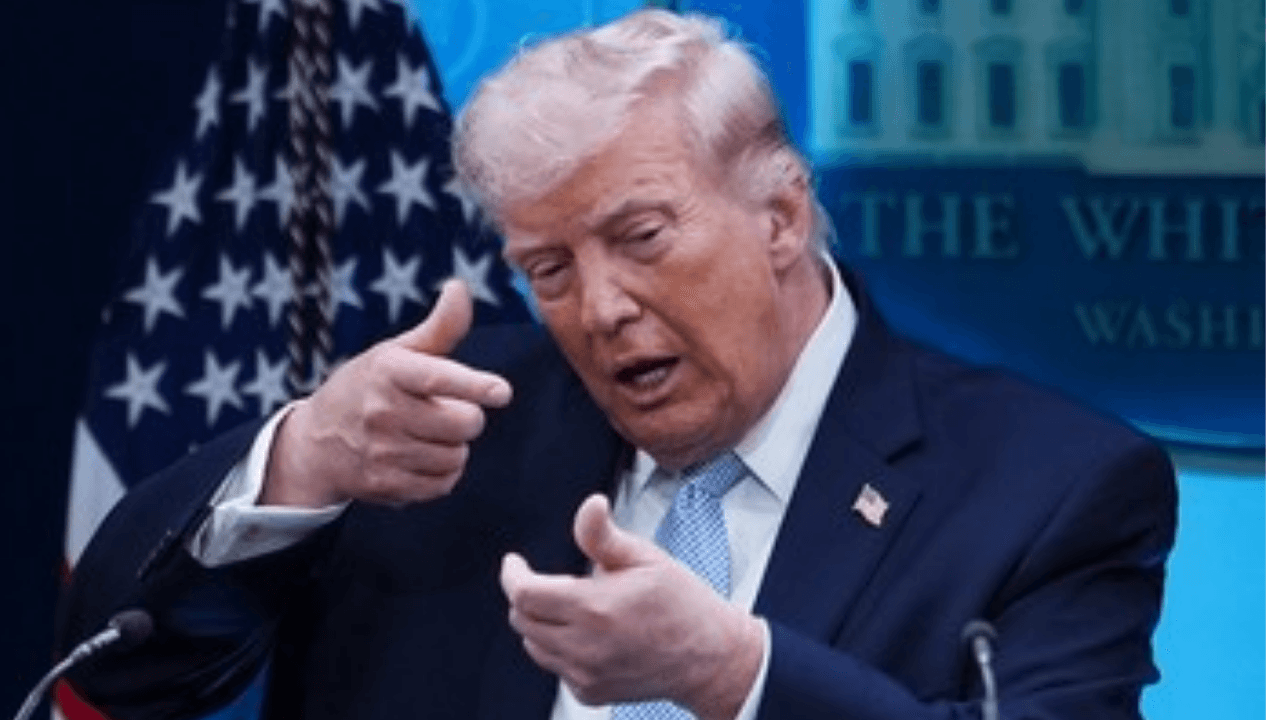
President Donald Trump made a bold promise to American voters on Monday night. Speaking on a tele-rally for South Carolina Senator Lindsey Graham, Trump declared that the United States would achieve “total victory” over Iran within the next two weeks. It was a confident statement. It was also not the first time he had said something very similar.
What Trump Said on the Call
“I think we are winning that battle,” Trump told South Carolina voters on the June 9 tele-rally. “But you’re really going to win it over the next two weeks when we declare total victory. It’ll be a total victory. It’ll happen very soon, and oil prices will come tumbling down.” Trump also said Iran was actively negotiating and was ready to accept U.S. terms. “They’re willing to give us everything. They’re willing to give us no nuclear weapon,” he said.
The President added that Iran had already reached out to the United States directly. “They called us and said that they are not doing any more attacks and asked us to tell Israel not to do any more attacks,” Trump explained. He described the talks as moving in a positive direction and framed the conflict as nearly resolved.
A Pattern of “Two Weeks” Promises
This is not the first time Trump has set a two-week deadline on the Iran conflict. According to CBS News, Trump has repeatedly predicted that the U.S.-Iran conflict could wrap up within weeks, starting from the very moment the war began in late February 2025. He originally told the Daily Mail that the conflict would last about four weeks. It has now stretched past three months with no formal end in sight.
When a ceasefire was first announced on April 7, Trump again said it would be over in two weeks. Now, more than 100 days into the conflict, he is using that same two-week frame again. Critics and observers have begun tracking the repeated timeline as a pattern rather than a prediction.
Fighting Flared Again, Then Paused
Trump’s optimistic remarks came on the same day that fresh fighting broke out between Iran and Israel. Both countries appeared to back away from further strikes Monday, hours after they traded fire for the first time since the U.S. agreed to a ceasefire with Tehran two months ago. Both countries warned that they were ready to launch retaliatory attacks if provoked.
Trump spent the weekend at his Bedminster, New Jersey golf resort. From there, he called Israeli Prime Minister Benjamin Netanyahu directly to urge restraint. “I said, ‘Bibi, you better be careful, or you will be on your own very soon,'” Trump told Axios, recounting the conversation with the Israeli leader. Netanyahu had reportedly been planning the largest bombardment of Iran since April before Trump intervened.
Trump Warns Netanyahu to Back Down
Trump told Netanyahu that leaders from five countries in the region had personally asked him to pressure Israel to halt its strikes. He did not identify which five countries made that request. Trump said those nations strongly supported the deal being negotiated with Iran and feared that Israeli strikes could collapse the talks entirely.
“These countries were very concerned. They love the deal that we have been negotiating,” Trump said. The White House confirmed that the two leaders spoke on Monday morning, though officials have not released further details about the full scope of that conversation.
Gas Prices and Economic Pressure Mount
Beyond the military and diplomatic tensions, the war is hitting American wallets. Gas prices across the country have been rising since the conflict began in late February. The U.S.-Israel war on Iran entered its fourth straight month in June, despite repeated claims from Trump that the conflict was close to ending. Iran has largely rebuked Trump’s claims on a peace deal being close and was last week also seen stepping away from indirect negotiations with Washington.
Trump has consistently tied a resolution of the war to a drop in oil and gas prices. “Oil prices will come tumbling down,” he repeated on Monday. Whether that promise holds depends on whether the two-week timeline he set actually plays out differently than the ones before it.
The South Carolina Political Backdrop
Trump made his Iran remarks while on a political mission closer to home. The tele-rally was organized to boost Senator Lindsey Graham, one of the most vocal supporters of the Iran conflict in the U.S. Senate, who faces a Republican primary on Tuesday. Graham has drawn several primary challengers, some of whom have pushed back against his hawkish position on the war.
Trump also used the call to endorse South Carolina Lieutenant Governor Pamela Evette in the state’s governor’s race. Evette faces multiple opponents, including Representative Nancy Mace, who broke with Trump over the release of the Epstein files. The governor’s race is expected to head to a runoff later this month due to the crowded field.
What Comes Next
The next two weeks will either validate Trump’s prediction or add another entry to a growing list of missed timelines on the Iran conflict. According to WION News, this marks at least the third time Trump has used the “two weeks” framing since the war began. For now, U.S. and Iranian officials continue to talk. Whether those talks produce the deal Trump is promising remains to be seen.