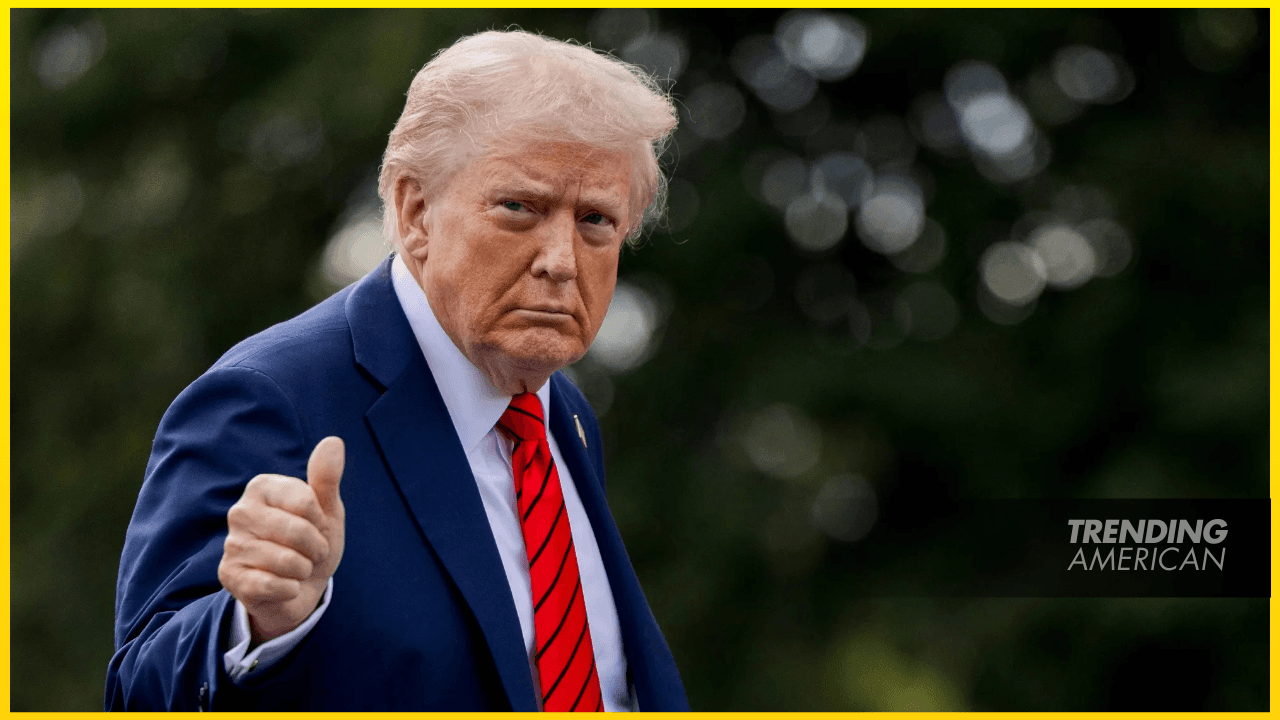
In Washington, a clash over the future of AI regulation is sharpening as President Trump signals a push for a single national policy. He has pledged to sign an executive order described as a ONE RULE action to block state AI laws and preempt patchwork regulation, arguing that a unified standard would keep the United States competitive and prevent “bad actors” in some states from hampering AI development. Details remain sparse, and reporting indicates the White House has not released a final plan.
What is known at this point is that the White House is considering an executive step that would aim to curb state-level AI rules and accelerate a federal framework. A leaked draft described a task force empowered to challenge existing state laws rather than an outright, blanket ban. Even so, there is no confirmed nationwide standard, and many outlets report that Congress has not agreed to a moratorium or a formal national framework in response to the proposal.
Context for the debate includes the NDAA, from which Roll Call notes no moratorium on state AI regulations was included. Supporters of a federal preemption argue that a single, predictable rule would reduce compliance complexity and help maintain U.S. leadership in AI. Critics counter that unilateral executive action could trample states’ policy authority, invite court challenges, and sidestep legislative guardrails that many lawmakers say are essential for technology governance.
Key stakeholders offer mixed views. Tech policy advocates and some industry groups prize the prospect of regulatory clarity. Critics—particularly Democrats—warn that bypassing Congress could undermine democratic checks and create legal uncertainty. Coverage from Roll Call and other outlets, including CNN, The Verge, UPI, Ars Technica, GovTech, StateScoop, Digital Music News, and Yahoo Finance, reflects a broad spectrum of speculation and cautious scrutiny about the path forward.
Potential real-world impacts could be significant if a federal rule materializes. A national standard might reduce state-by-state variability and influence funding and regulatory practices, but the final rules, their scope, and enforcement mechanisms remain unclear and could be subject to court challenges. In the meantime, the outcome will hinge on political negotiations in Congress and possible judicial review rather than on a final White House plan alone.
Disclosure: We may earn a commission when you make a purchase through the ads.