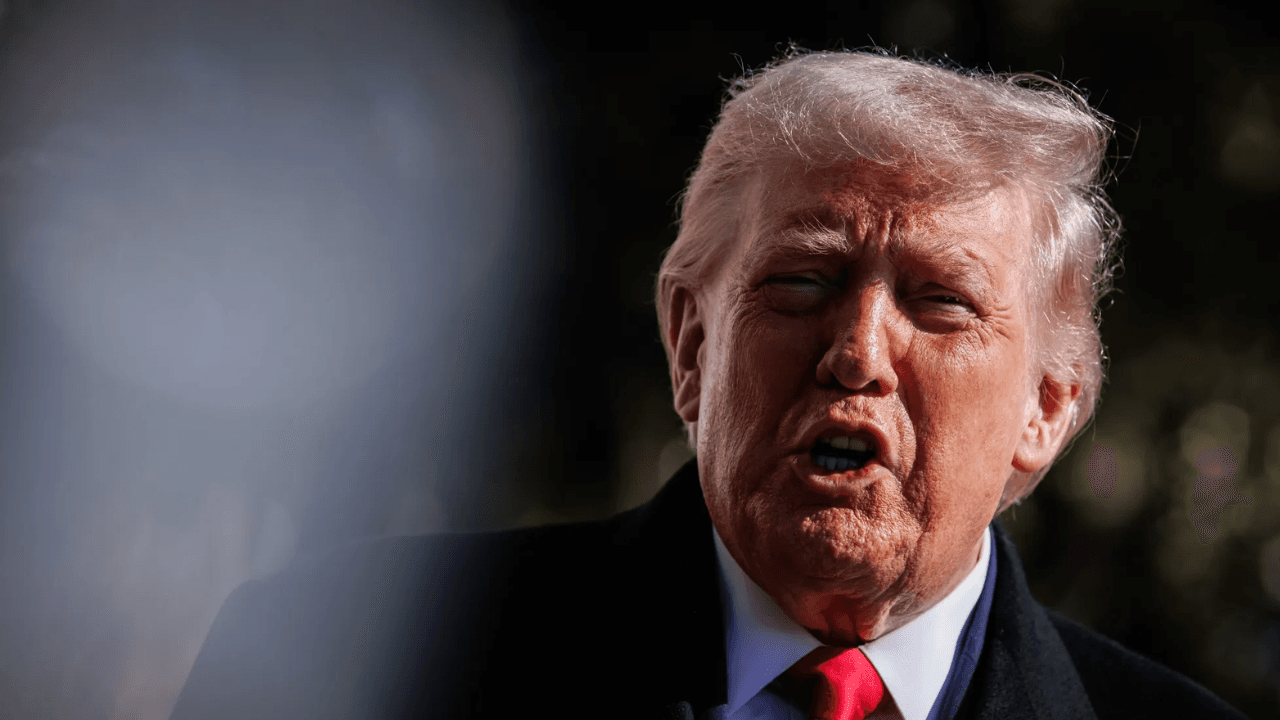
President Donald Trump has ordered federal agencies to begin identifying and releasing government files related to UFOs and extraterrestrial life.
In a post on Truth Social Thursday, Trump said he would direct the Secretary of War and other agencies to start the process of releasing records tied to unidentified aerial phenomena, often called UAPs.
The announcement immediately reignited long standing public interest in possible government knowledge about alien encounters.
What Trump Said
Trump wrote that the move comes “based on the tremendous interest shown” by Americans. He said agencies would begin identifying and releasing files related to alien and extraterrestrial life, UAPs, and UFOs.
Unidentified aerial phenomena is the official term now used by the US government instead of UFOs.
The Department of Defense defines UAPs as objects in the sky, sea, or space that cannot immediately be identified. More details are available at defense.gov.
Government Efforts Already Underway
In recent years, Congress has pushed for greater transparency around UAP investigations. Lawmakers created the All domain Anomaly Resolution Office, known as AARO, to study unexplained sightings.
AARO operates under the Pentagon and provides public reports on UAP incidents. Information about its mission can be found at aaro.mil.
Congress also passed legislation requiring intelligence agencies to review and disclose records related to unidentified aerial phenomena.
Public Reaction and Skepticism
Americans have long questioned whether the federal government is withholding information about alien life. Polls over the years have shown many believe officials know more than they admit.
Scientists, however, have repeatedly said there is no verified evidence that aliens have visited Earth.
Trump did not provide a timeline for when the files would be released or how much material would be made public.
What Happens Next
Federal agencies would first need to identify which files qualify for release. Some documents may remain classified due to national security concerns.
Legal experts note that similar transparency efforts in the past resulted in partial disclosures but also heavy redactions.
For now, Trump’s directive signals a renewed push toward openness on one of the most debated topics in modern American culture.
Whether the upcoming disclosures reveal new insights or simply confirm what is already known remains to be seen.