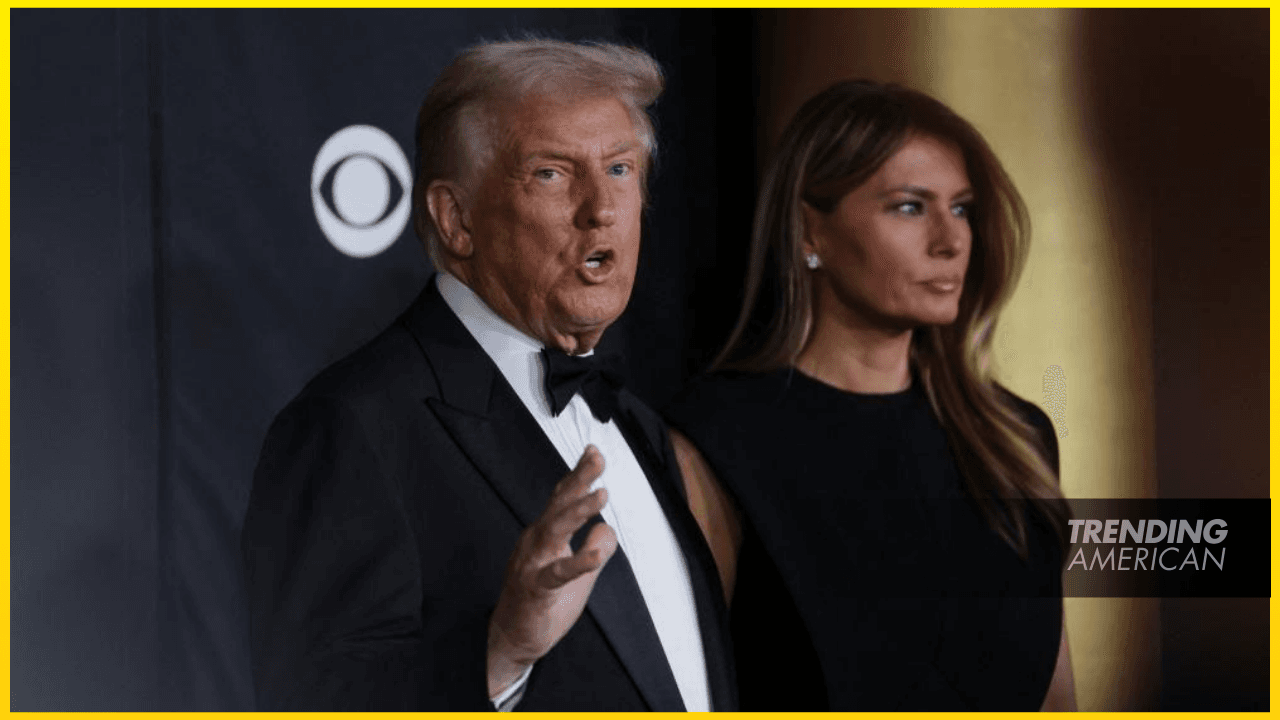
In a high-profile event at the John F. Kennedy Center in Washington, D.C., on Sunday, December 7, 2025, US President Donald Trump voiced concerns about Netflix’s planned $72 billion bid to acquire Warner Bros Discovery’s movie studio and HBO streaming networks. He warned that the combination could create an undue concentration of power in the streaming and entertainment markets, potentially limiting competition and harming consumers. If approved, Netflix would gain control over enduring franchises such as Harry Potter and The Lord of the Rings, pushing the platform toward a level of influence that makes it the world’s largest streaming service.
Regulatory scrutiny is expected as competition authorities review the deal. The U.S. Department of Justice’s Antitrust Division, along with other national and international regulators, could challenge the merger if the combined market share is judged too large or if the deal threatens competitive dynamics in areas like pricing, content development, and jobs. The White House has signaled skepticism, and officials from industry groups are weighing the potential consequences for the broader entertainment ecosystem.
Trump said he would be personally involved in the decision-making process, underscoring the high-stakes nature of the merger for American workers and consumers. The Writers Guild of America has warned that such a consolidation could threaten jobs and lead to higher prices for audiences, highlighting concerns about contract terms, residuals, and the diversity of available content.
Supporters of the deal argue that it could unlock efficiencies, accelerate investment in new productions, and expand audience access to a wider slate of franchises. Critics counter that combining Netflix and Warner Bros Discovery’s assets could reduce competition, limit negotiation leverage with suppliers, and potentially limit the variety of content available to viewers.
As the antitrust review unfolds, stakeholders from the White House, the DOJ, and the entertainment industry will continue to scrutinize the implications for competition, consumers, and workers, with a final decision likely to reverberate across the U.S. media landscape.
Disclosure: We may earn a commission when you make a purchase through the ads.