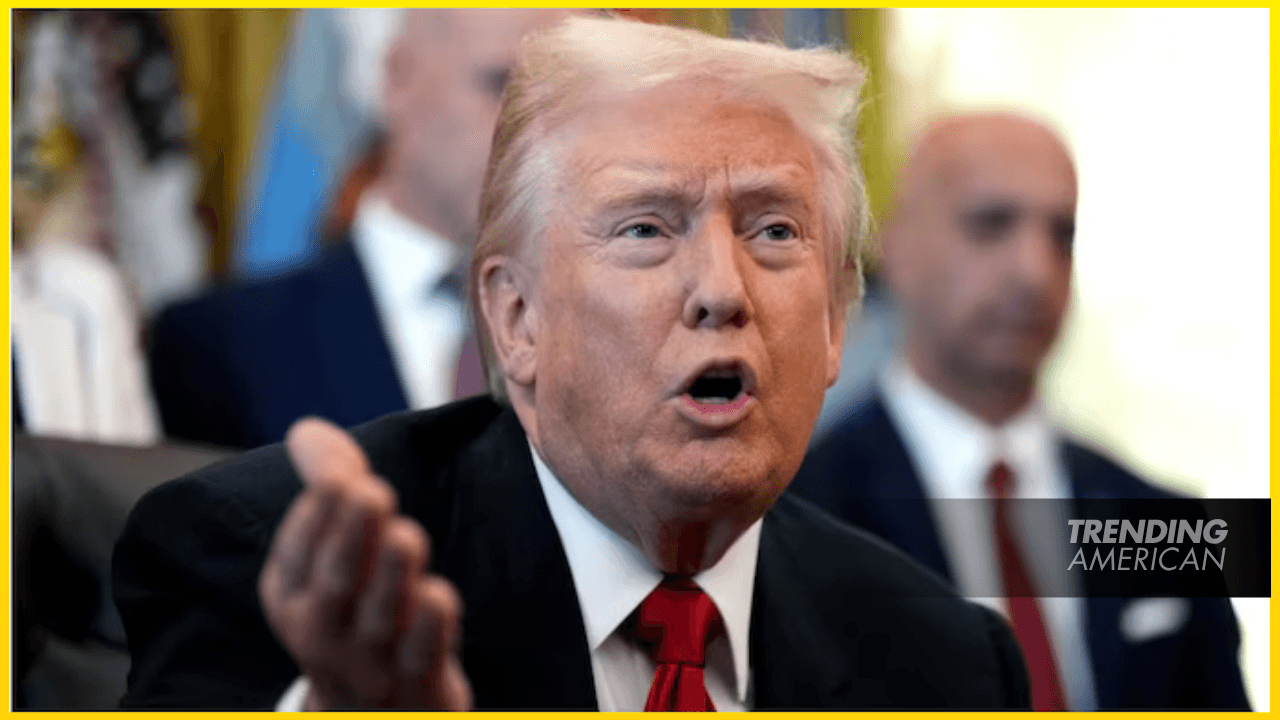
WASHINGTON, D.C. — On November 17, President Donald Trump left the world guessing by declaring he ‘doesn’t rule out anything’ regarding direct U.S. military intervention in Venezuela, while also opening the door to dialogue with Venezuelan President Nicolás Maduro amidst heightened tensions. The statement, made in the Oval Office, underscores rising geopolitical stakes in the Caribbean.
Trump highlighted ongoing operations targeting alleged drug trafficking by the Venezuelan government, but remained tight-lipped on specifics of how talks might unfold. Describing Maduro as an adversary to U.S. interests by facilitating drugs and illegal immigration, Trump’s remarks evoke uncertainty over America’s next steps.
The USS Gerald R. Ford’s Caribbean presence exemplifies U.S. pressure, with military exercises aimed at vessels allegedly linked to narcotics. Experts like Geoff Ramsey argue this could either lead to cautious diplomacy or escalate hostilities.
Maduro, showing a blend of diplomatic flair, reiterated his openness to dialogue without war. “Talk, yes. Peace, yes. War, no,” he asserted, resonating with many in Venezuela and beyond.
Public opinion in both nations varies from skepticism about meaningful government compliance to hopes of averting conflict. Could this be a genuine pivot toward resolution, or a mere tactical maneuver in geopolitical chess?
This atmosphere of uncertainty stokes varied reactions globally, reflecting a broader dialogue on peace and power.
Disclosure: We may earn a commission when you make a purchase through the ads.