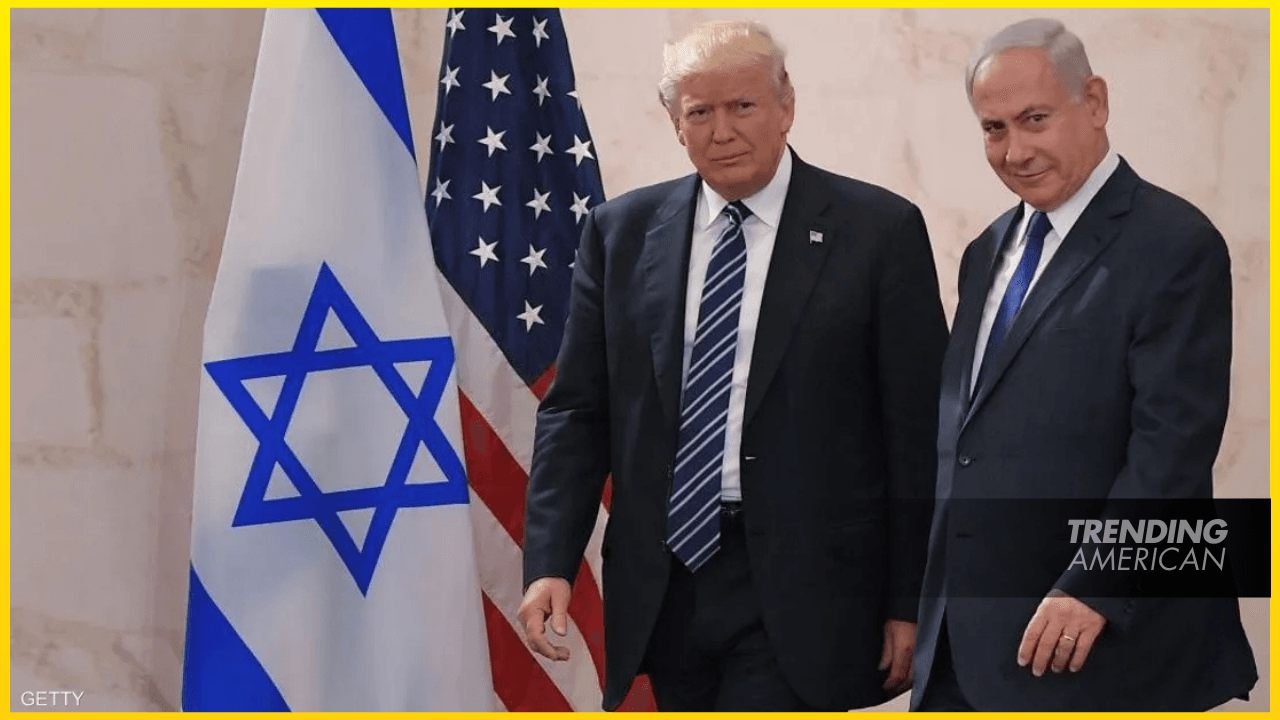
President Donald Trump, flanked by Israeli Prime Minister Benjamin Netanyahu at Mar-a-Lago, warned that Hamas must disarm within a very short period or face consequences as negotiations for the Gaza ceasefire’s second phase intensify. The remarks, delivered during a meeting on December 29, 2025, were reported by PBS NewsHour and CBS News as part of the ongoing push to advance a second phase of the Gaza ceasefire deal.
Trump framed disarmament as a gatekeeper to progress in the otherwise fragile ceasefire, tying it to the hoped-for second phase aimed at rebuilding Gaza and reshaping its governance. While Netanyahu listened, Trump warned of potential consequences if Hamas failed to lay down its arms in the window described as very brief. The CBS News report notes that the warning was part of a broader discussion about regional security and the deterrence needed to maintain momentum in the talks.
Hamas has repeatedly asserted its right to armed resistance, complicating negotiations with Israel and its allies. Officials in Gaza say any disarmament would require assurances about the humanitarian situation and guarantees of a new governance framework, conditions that remain unresolved. US and Israeli officials say disarmament would be a precondition for moving into the second phase of the ceasefire, though there is no final agreement yet.
In addition to the disarmament demand, Trump signaled possible strikes against Iran and discussed broader Gaza peace efforts with Netanyahu, including plans to rebuild eastern Rafah and to restructure Gaza governance as part of the overall peace effort. The remarks indicate a heavy emphasis on deterrence and conditional progress, with the second phase of the ceasefire seen as contingent on Hamas’s disarmament.
Responses from Hamas officials were swift: they reiterate their right to armed resistance and reject attempts to impose disarmament as an immediate prerequisite to talks. Analysts say the dynamic remains fragile, with competing narratives and security guarantees on the table. The Times of Israel and Guardian live coverage reflected similar sentiment, noting the tension between security objectives and humanitarian considerations.
As talks move forward, the key question remains whether Hamas will accept a disarmament framework, and whether Israel and its partners can offer credible guarantees for a Gaza reconstruction and a governance transition that satisfies regional security concerns. The situation remains fluid, with no final deal in place and ongoing diplomatic efforts to secure a viable path to a comprehensive Gaza ceasefire.