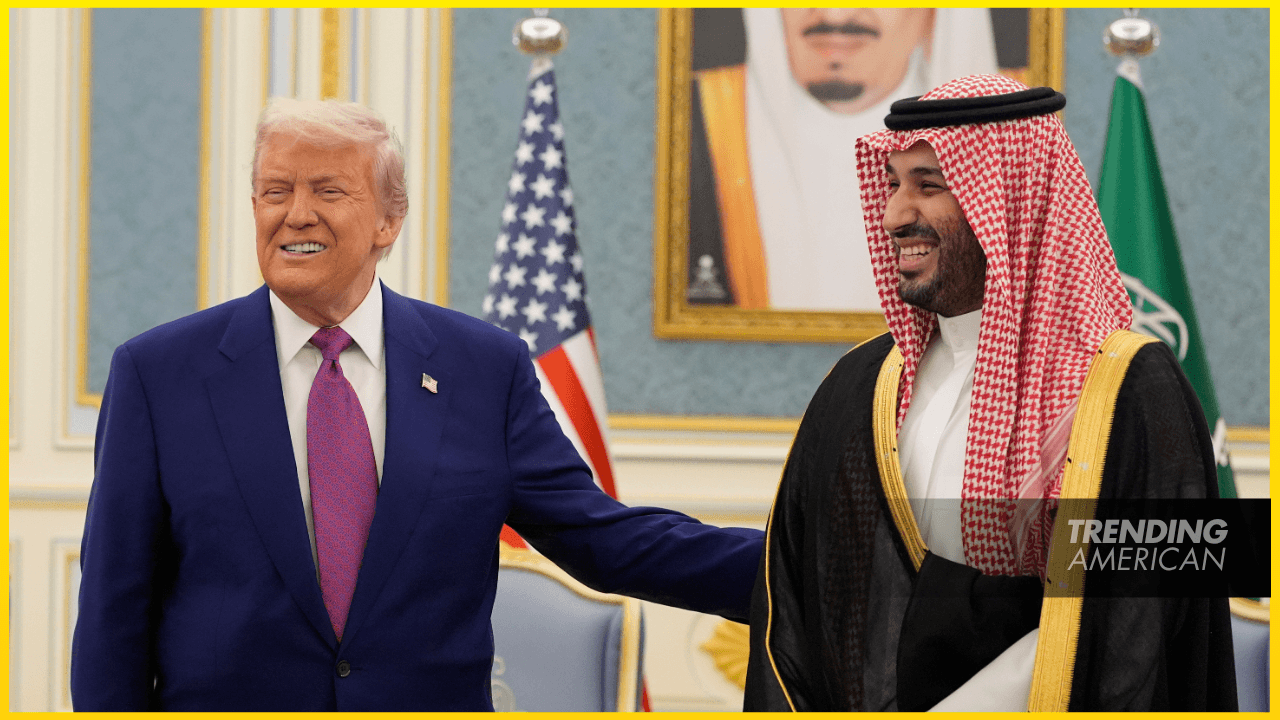
Trump’s F-35 jets sale to Saudi Arabia has ignited a fiery debate both in Washington and abroad. Announced just a day before Saudi Crown Prince Mohammed bin Salman graced the White House, this decision marks a dramatic shift in U.S. arms dealings with Arab states, while positioning Riyadh closer to the Abraham Accords.
President Trump praised Saudi Arabia as a crucial ally, nodding to strategic interests. Yet the F-35 fighter jets, coveted for their state-of-the-art stealth features, could reshape military balances, especially concerning Israel’s qualitative military edge.
This decades-old edge has been a linchpin for Israel’s security strategy, causing Israeli figures like opposition politician Yair Golan to sound alarms over a potential arms race: “The qualitative military edge… is being squandered,” he warned. Adding profound concern, Israel’s National Security Minister Itamar Ben-Gvir emphasized retaining regional aerial superiority.
Historically, the U.S. has tread carefully, adjusting Arab arms sales to uphold this balance. Trump’s timing—mirroring his attack-focused rhetoric against Iran—also underscores the broader geopolitical dance, as Riyadh seeks leverage against Tehran.
If completed, Saudi Arabia would be the first Arab state to enter the F-35 program, provoking questions about regional peace and U.S. commitments. Will this deal foster alliances or fan the flames? The world watches closely as the future unfolds.
Disclosure: We may earn a commission when you make a purchase through the ads.