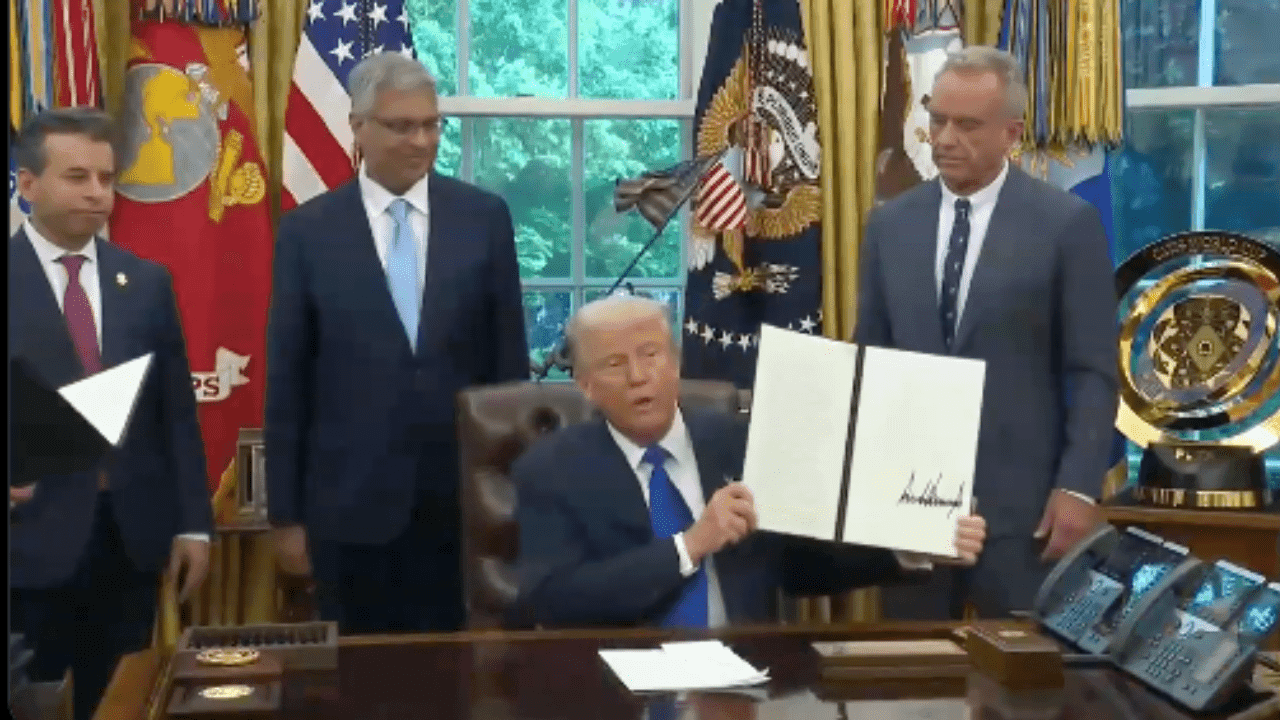
In a bold and controversial move, former President Donald Trump issued an executive order prohibiting federal funding for gain-of-function research, a decision that sent shockwaves through the scientific community. This research involves manipulating pathogens to study their potential to cause pandemics. Critics argue that such studies could lead to dangerous consequences, should engineered viruses escape the lab, while proponents insist they are vital for understanding and preventing future outbreaks. The debate intensified as Trump’s decision caught many in the research field by surprise, highlighting the ongoing tension between scientific innovation and public safety.
The order came on the heels of reports that linked gain-of-function research to potential biosecurity risks. The controversial nature of this research was previously brought to light during the early days of the COVID-19 pandemic when questions arose about the virus’s origins. Trump’s ban underscores a more extensive push within his administration to redirect federal funds away from projects deemed high risk and unnecessary. Experts are now scrutinizing the broader implications of this funding freeze, considering the potential setbacks in medical and scientific advancements.
Immediate reactions from the global scientific community were mixed. Some researchers lauded the decision, citing concerns over lab safety protocols and the ethical implications of modifying pathogens. Others criticized the ban as short-sighted, warning that it could hamper pandemic preparedness and the development of life-saving treatments. As the debate rages on, the executive order has become a focal point in discussions about the balance between fostering advancements in biotechnology and ensuring national and global security.
The impact of this federal funding ban extends beyond the United States, influencing international research collaborations and funding priorities. As countries grapple with the fallout from COVID-19, the decision highlights the delicate interplay between global health initiatives and national policy decisions. The scientific community now faces the challenge of navigating these tumultuous waters without the support of U.S. federal funds for certain types of research.
As the discourse continues, it’s essential to examine the motivations behind the ban and the potential ramifications for future research endeavors. The executive order serves as a stark reminder of the complex ethical landscape researchers must navigate when addressing global health challenges. The conversation surrounding gain-of-function research is far from over, raising important questions about the role of government oversight in scientific innovation and the inherent risks of pushing the boundaries of knowledge.