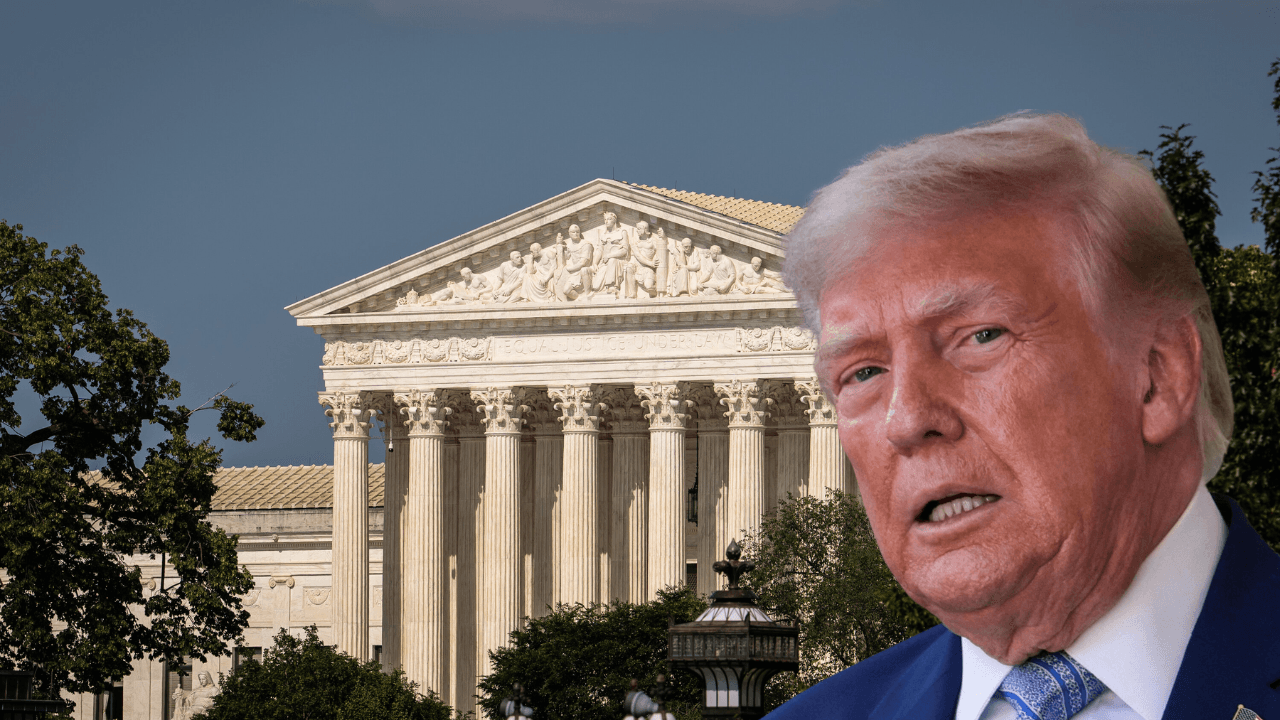
Mail in voting is back before the Supreme Court as Trump pushes new restrictions before November.
President Donald Trump’s administration has asked the U.S. Supreme Court to let it enforce parts of a blocked executive order that would restrict mail in voting before the 2026 midterm elections.
The Justice Department filed an emergency request Monday, asking the justices to pause a lower court ruling that blocked the order in 23 Democratic-led states and Washington, DC.
The case could affect how millions of Americans receive and return ballots this fall, as control of Congress is at stake.
What Trump’s Order Would Do
Trump signed the executive order in March. It directed federal agencies to help create state lists of eligible voters and required the U.S. Postal Service to deliver mail ballots only to people on those lists.
The order also told the Justice Department to prioritize investigations into election officials accused of sending ballots to ineligible voters.
The White House said the goal was to improve citizenship verification and election integrity. The full executive order is available here: White House executive order on federal elections.
Lower Courts Blocked the Plan
U.S. District Judge Indira Talwani blocked major parts of the order in June.
Talwani ruled that Trump could not unilaterally change how states run federal elections. She said the Constitution gives states the power to oversee voter eligibility rules, subject to laws passed by Congress.
The First U.S. Circuit Court of Appeals later refused to pause Talwani’s ruling. That decision pushed the administration to ask the Supreme Court for emergency relief.
The Associated Press reported that the appeals court left the injunction in place before the Justice Department turned to the high court. Read the AP report here: Associated Press report on the appeals court ruling.
Justice Department Says the Lawsuit Is Too Early
Solicitor General John Sauer argued that the lower court acted too soon.
He said federal agencies are still deciding how, or whether, to implement parts of the order. Because of that, the administration says the states are challenging future actions that may not happen in the way they fear.
Sauer also argued that the order gives general policy guidance rather than directly forcing states to change election rules.
Reuters reported that the Supreme Court ordered responses to the administration’s request by August 3. Read Reuters’ report here: Reuters report on the Supreme Court filing.
States Say Voters Could Be Harmed
The Democratic-led states argue the order would create confusion close to Election Day.
They say the federal government does not have authority to control state voter lists or tell the Postal Service which ballots to deliver.
Voting rights groups also warned that the policy could block eligible voters from receiving mail ballots if lists contain errors or arrive too late.
The ACLU said a federal judge found disenfranchisement was plausibly likely and imminent under parts of the order. More details are available here: ACLU statement on the mail voting order.
Trump Has Long Attacked Mail Ballots
Trump has repeatedly claimed, without evidence, that widespread mail voting fraud affected the 2020 presidential election.
Election officials, courts and Trump’s own former administration officials found no evidence of fraud large enough to change the 2020 result.
Mail voting remains popular in many states, especially among older voters, military voters, voters with disabilities and people who cannot easily reach polling places.
Voting rights advocates say new restrictions could have a major impact in states where mail ballots play a large role in turnout.
Why the Timing Matters
The administration told the Supreme Court it needs a quick decision because any new policy would have to be in place by August to affect the November midterms.
That timeline gives the case unusual urgency.
If the Supreme Court grants Trump’s request, federal agencies may begin moving forward with parts of the order while lawsuits continue.
If the Court denies the request, the lower court block will remain in place in the states that sued.
A Major Election Fight Before November
The case is now one of the most important election disputes before the Supreme Court this year.
For Trump, the order is part of a broader promise to reshape federal election rules and limit mail in voting.
For Democratic state officials and voting rights groups, it is a direct challenge to state control over elections and a risk to eligible voters.
The Supreme Court’s next move could decide whether Trump’s mail ballot restrictions take effect before Americans vote in November.