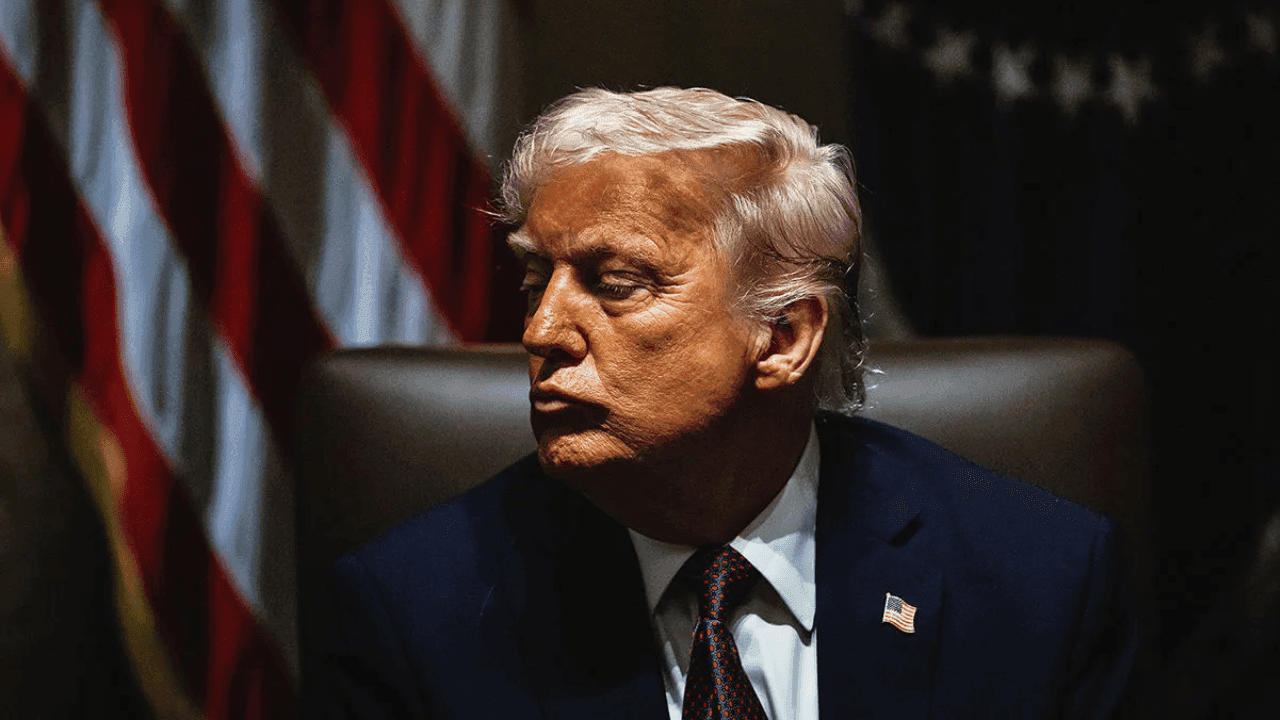
President Donald Trump’s approval rating has been experiencing a steady decline, as suggested by a comprehensive analysis of recent polling data. This trend has caught the attention of political analysts and the general public alike, raising questions about the underlying factors contributing to this downturn.
The polling data reveals a consistent drop in Trump’s popularity among various demographics. Since leaving office, Trump has maintained a strong presence in the political sphere, but his approval ratings have fluctuated. The decline in support presents a complex picture, with numerous elements potentially influencing public perception.
Analyzing the dataset, it’s evident that several socio-political factors may be affecting Trump’s ratings. Economic concerns, shifts in voter demographics, and evolving party alliances are playing crucial roles. Experts highlight that while Trump’s base remains loyal, the shifting perspectives of independent voters and moderate Republicans are contributing to the overall decline.
This decline in approval also ties into recent legislative and social developments. With increasing polarization in America, Trump’s stance on key issues continues to be a flashpoint for debate. Critics argue that his rhetoric and policy positions have alienated certain voter segments.
Further, this trend poses implications for future elections. As the political landscape in the United States continues to evolve, candidates from both parties are analyzing these ratings closely. They aim to understand and align themselves with the prevailing sentiments to gain an electoral advantage.
Trump’s approval rating is not just a number but a reflection of broader societal trends. As the country grapples with economic challenges, healthcare debates, and more, every political figure’s standing is under scrutiny. Trump’s declining ratings thus serve as a barometer for shifting American values and priorities.
In conclusion, while Trump’s approval rating shows a downward trajectory, it provides a deeper insight into the nation’s current state. The interplay of political, social, and economic factors paints a comprehensive picture of where public sentiments lie today.