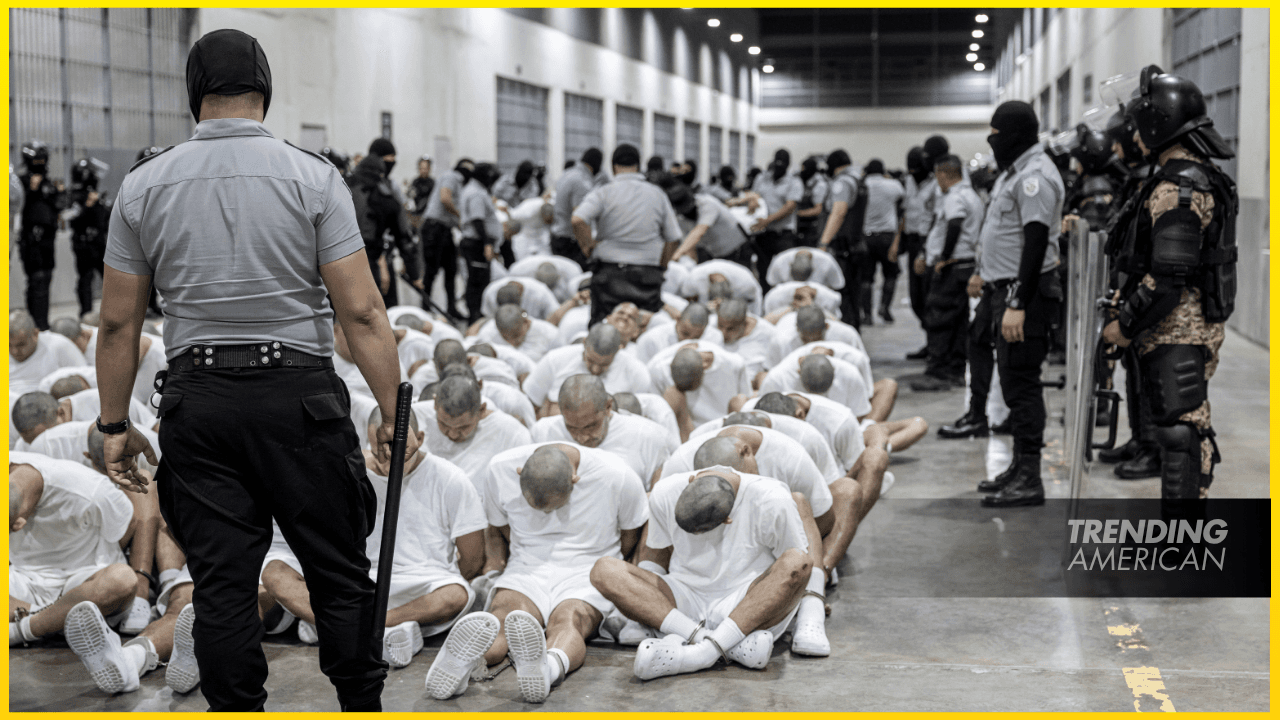
The legal and political arena in the U.S. is ablaze as Donald Trump’s administration tests the bounds of presidential authority through its unprecedented application of the Alien Enemies Act (AEA) of 1798. This act is being used to detain and deport Venezuelan immigrants linked to the Tren de Aragua (TdA) drug gang.
Historically reserved for wartime adversaries of the nation, the AEA’s invocation has sparked intense legal battles, with the U.S. Court of Appeals for the Fifth Circuit repeatedly striking down this application as illegal. Courts argue that drug smuggling and illegal migration do not meet the criteria of an invasion.
Legal scholar Ilya Somin introduces the critical Major Questions Doctrine (MQD) into the debate, underscoring the need for explicit Congressional authorization for such executive power. The doctrine challenges the executive’s broad claims, arguing that massive deportations bring vast political and economic ramifications, jeopardizing millions, including legal immigrants.
This unfolding saga probes the very core of governmental power, provoking questions about the balance between executive authority and legislative oversight. As courts continue to grapple with this precedent-setting scenario, the implications for presidential immigration policies loom large. Supporters and critics alike wait anxiously as the judicial system weighs in on this pivotal issue.
Disclosure: We may earn a commission when you make a purchase through the ads.