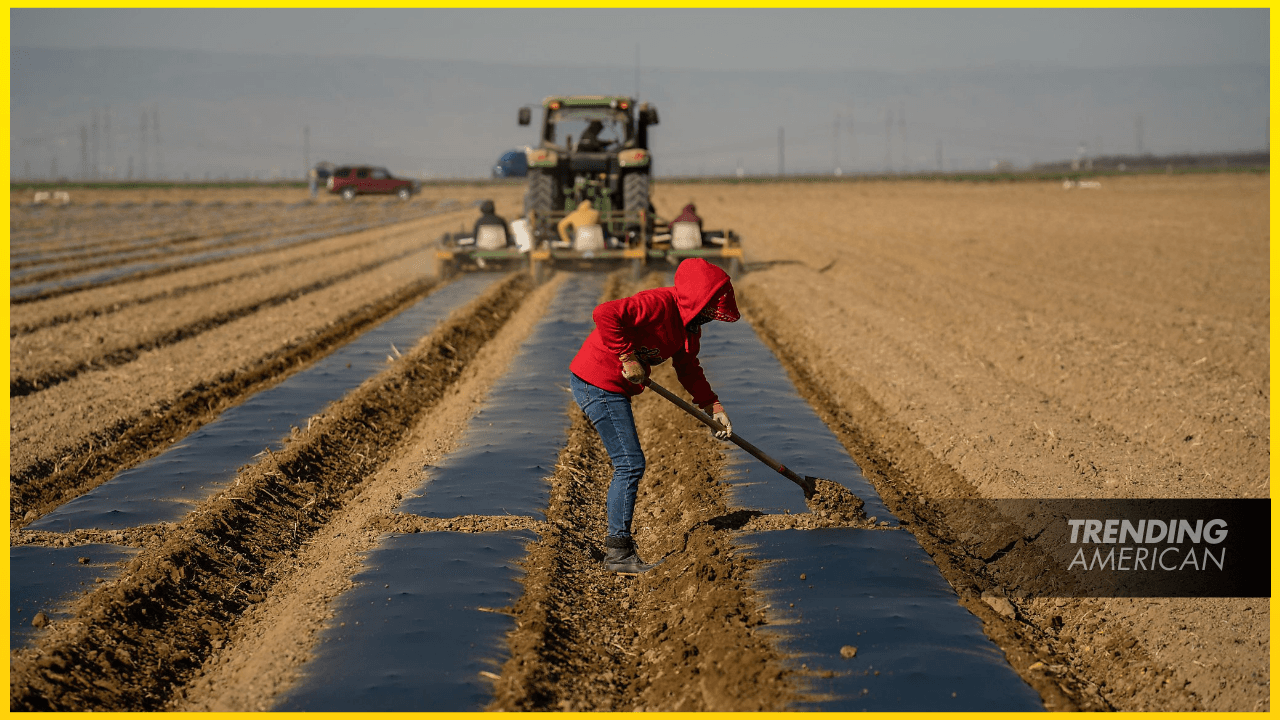
On Friday, the Trump administration unveiled a new operating plan for the Central Valley Project designed to redirect more water from Northern California toward the Central Valley’s farms. The plan, issued by the U.S. Bureau of Reclamation in coordination with California’s Department of Water Resources, follows an executive order issued in January to increase deliveries to agriculture. The document takes effect this Friday and marks a continuation of the administration’s push to strengthen water resilience for farmers in the Central Valley, even as critics warn of consequences for urban supplies and Delta ecosystems.
Under the plan, a larger share of flows from northern rivers would be captured and routed south toward the region’s farms, with the Westlands Water District and other Central Valley districts expected to benefit. California officials, led by Karla Nemeth of the Department of Water Resources, have stressed the need for coordinated state-federal oversight to ensure that agriculture can weather drought and climate variability. Restoring the Delta’s balance and protecting fish populations remain central concerns for environmental groups such as Restore the Delta.
Supporters argue the plan would stabilize farm production, reduce volatility in water deliveries, and improve rural livelihoods by ensuring more reliable irrigation water. Opponents warn that diverting more water away from cities could constrain municipal supplies and increase pressure on endangered species in the Delta, including salmon and delta smelt, while risking broader ecosystem disruption. The Bureau of Reclamation and state agencies say the action will maximize resilience while maintaining protections; critics say the environmental safeguards could be weakened in practice.
This move reflects a broader thread of Trump-era policy in California: past and present administrations have sought to recalibrate water allocations to favor agricultural users in the Central Valley, though the Biden administration in 2024 pursued a different balance with what supporters call a more moderate approach to environmental protections. The debate now centers on balancing needs across farms, cities, and ecosystems as climate-driven scarcity intensifies.
Looking ahead, legal and political challenges are likely as counties, water districts, and environmental groups weigh the impact. For readers seeking more, AP News has coverage of the decision, with additional reporting from the Los Angeles Times; White House statements and academic/legal analyses from California offer further context.
Disclosure: We may earn a commission when you make a purchase through the ads.