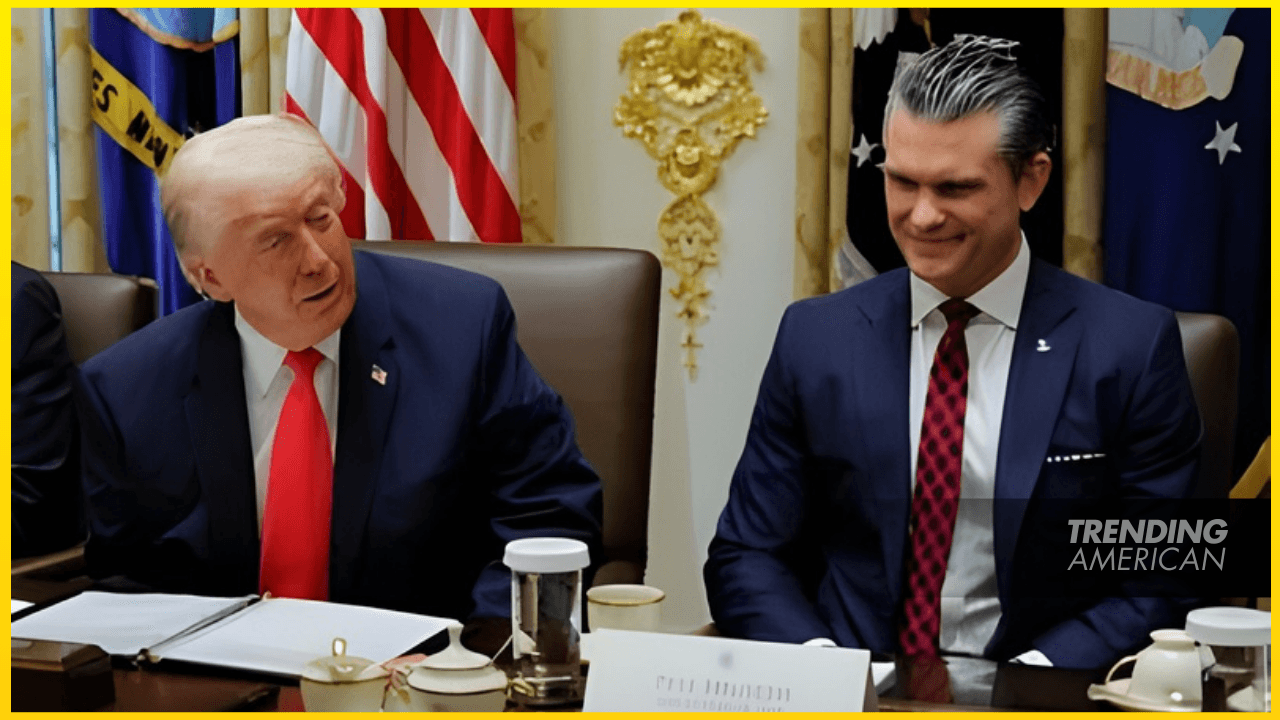
At a White House cabinet meeting on December 2, 2025, President Donald Trump faced questions about a wave of strikes against alleged drug boats in international waters near Venezuela. The administration framed these strikes as within the President’s legal authority, prompting questions about the legitimacy and scope of the actions, especially before a formal legal review could be completed.
CNN analyst Abby Phillip described how press secretary Karoline Leavitt and other officials publicly framed the strikes as justified under presidential authority, effectively signaling support for the measures before a comprehensive legal assessment. Phillip’s analysis highlighted a tension between a hardline national-security narrative and the need for transparent legal justification, a clash that could complicate accountability as details emerge.
The narrative surrounding the strikes has become a microcosm of broader tensions in the administration’s approach to foreign intervention: quick action against drug trafficking framed as necessary for national security, versus questions about the proper legal channels, oversight, and due process. Critics argue that presenting potential legal justification after the fact threatens accountability and could invite legal challenges. Supporters, by contrast, assert that swift action is required to deter illicit activity and that authorities are operating within an evolving framework of executive power.
Media coverage in the days surrounding the cabinet meeting emphasized the administration’s stated legal rationale, while legal experts publicly questioned the breadth of the authority cited. A Guardian memo, cited in the reporting, suggested a reliance on presidential statements to justify the measures, rather than awaiting independent legal review. DOJ information on the matter has been sparse, further fueling concerns about transparency and the soundness of the legal footing for the operations.
The strikes themselves were said to target alleged drug boats in international waters off Venezuela, a region where geopolitical sensitivities collide with questions about sovereignty and legal jurisdiction. The combination of aggressive action and limited public legal justification raises the specter of extrajudicial measures and could have lasting implications for both U.S. policy and international reactions.
Overall, the clash between the administration’s national-security aims and questions about legality underscores a broader debate: how to balance urgent security needs with the standards of legal accountability and oversight. As the administration advances its narrative, observers will be watching for new legal clarifications, independent reviews, and the potential political and legal consequences of these actions.
Disclosure: We may earn a commission when you make a purchase through the ads.