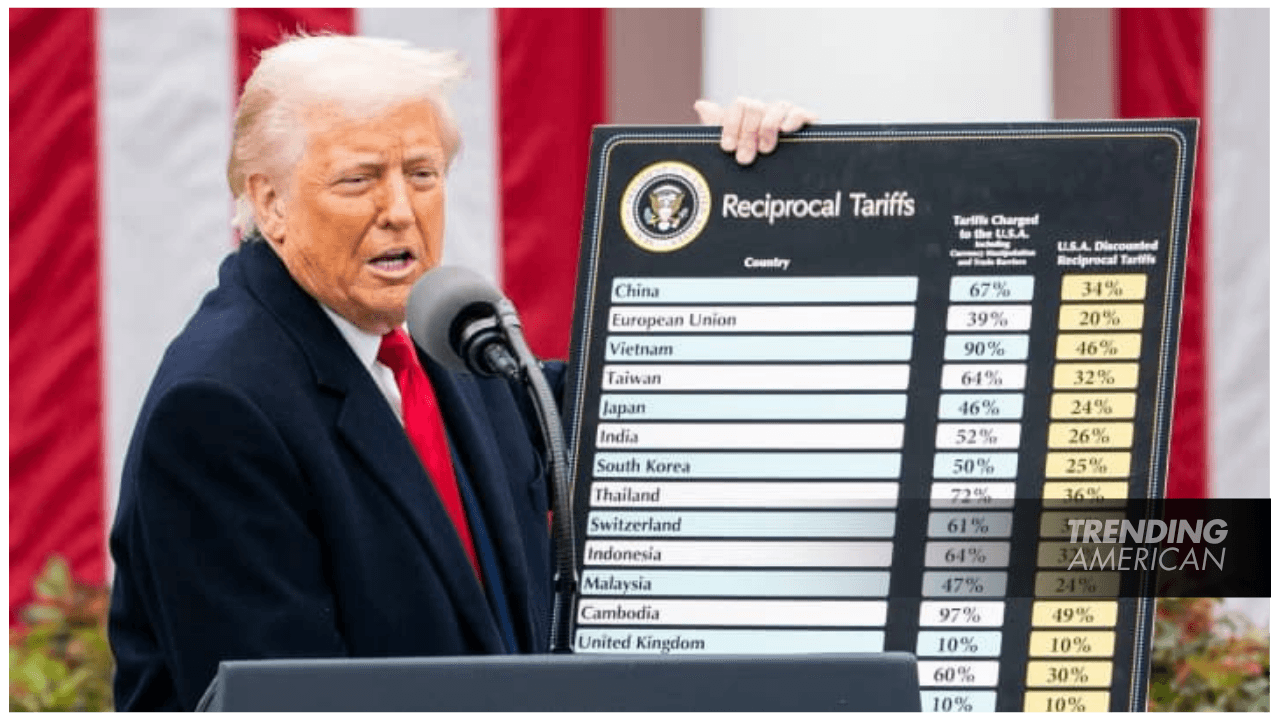
Last night, Donald Trump warned of a staggering $3 trillion blow to the U.S. economy should the Supreme Court invalidate his tariffs. These tariffs are central to his foreign policy under the International Emergency Economic Powers Act, which allowed their imposition without Congress’s nod. If rebuffed, Trump claims the U.S. stands on the brink of a ‘national security crisis’—a potential refund of billions could unravel trade agreements and economic projections.
While conservatives and liberals on the bench harbor skepticism towards Trump’s usage of ‘national emergency’ for economic maneuvering, the decision could broaden presidential powers or curtail them significantly, marking a pivotal shift. As Trump floated $2,000 checks to citizens, except high-income folks, tensions rise, underscoring the stakes involved.
Industry voices, like small businesses and states, argue this overreach bypasses essential checks and balances that protect economic stability. As deliberations continue with a verdict expected by December, Trump’s ultimatum looms large, proposing a dire vision if struck down. How will the court balance power and national interest? The decision could redefine executive-legislative relations in U.S. governance.