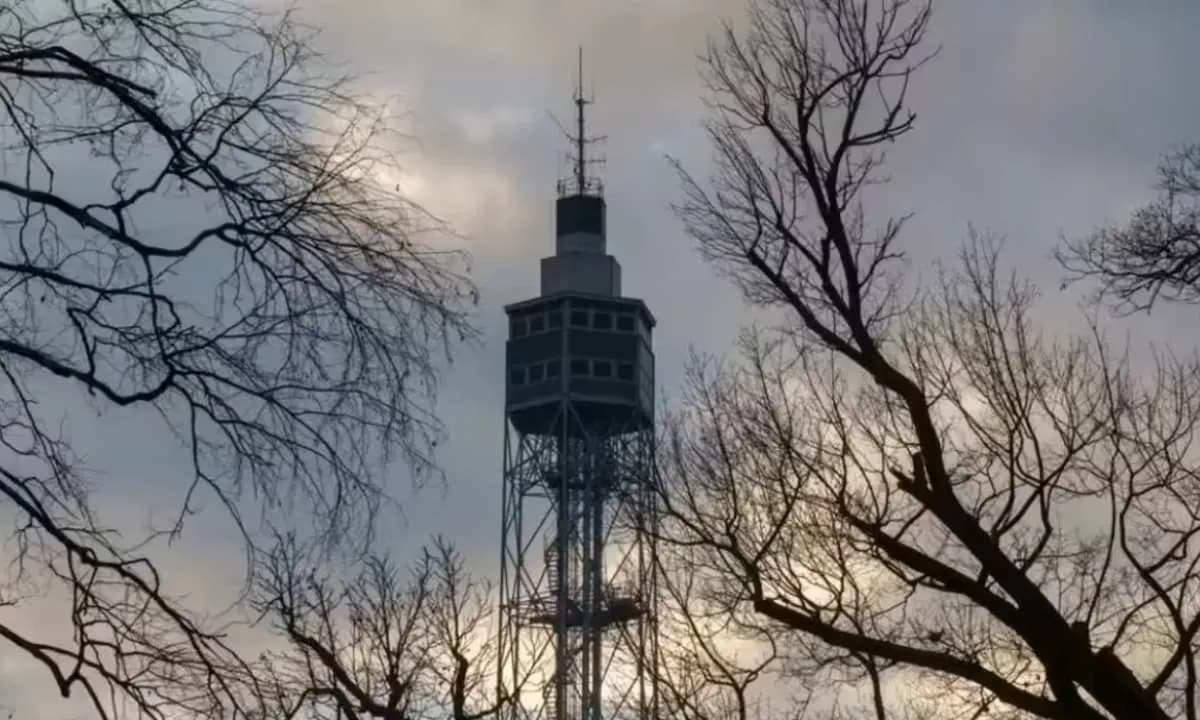
It started with a simple observation — a maple tree in Norway was mysteriously decaying on just one side. The damage was sharp and uneven, almost as if something invisible had struck it. Behind that tree, partially hidden by a building, was a cell phone tower. Coincidence? At first glance, maybe. But then researchers began to notice a pattern repeating across the globe.
In today’s hyper-connected world, we’re surrounded by wireless devices and invisible waves. From cell phones to WiFi routers, electromagnetic fields (EMF) are everywhere. We carry phones in our pockets, live under power lines, and sit next to routers all day long. While these conveniences power our lives, a growing body of research says they might be harming something we rarely think about — the trees and plants that surround us.
Scientists first raised alarms in 2010. A study published in the International Journal of Forestry Research looked at the effects of RF (radiofrequency) radiation — the type used in phones, radios, and TV signals — on aspen trees. RF radiation is considered non-ionizing, meaning it doesn’t carry enough energy to directly break chemical bonds or damage DNA like X-rays do. But even non-ionizing radiation, when present constantly, may quietly change living systems over time.
To test this, researchers created Faraday cages — metal enclosures that block EMF — around some trees. Others were left exposed to everyday EMF levels from nearby towers and antennas. The results were shocking: the shielded trees grew 74% more in shoot length and had 60% more leaf area than the exposed ones. It was clear — EMF exposure was stunting their growth.
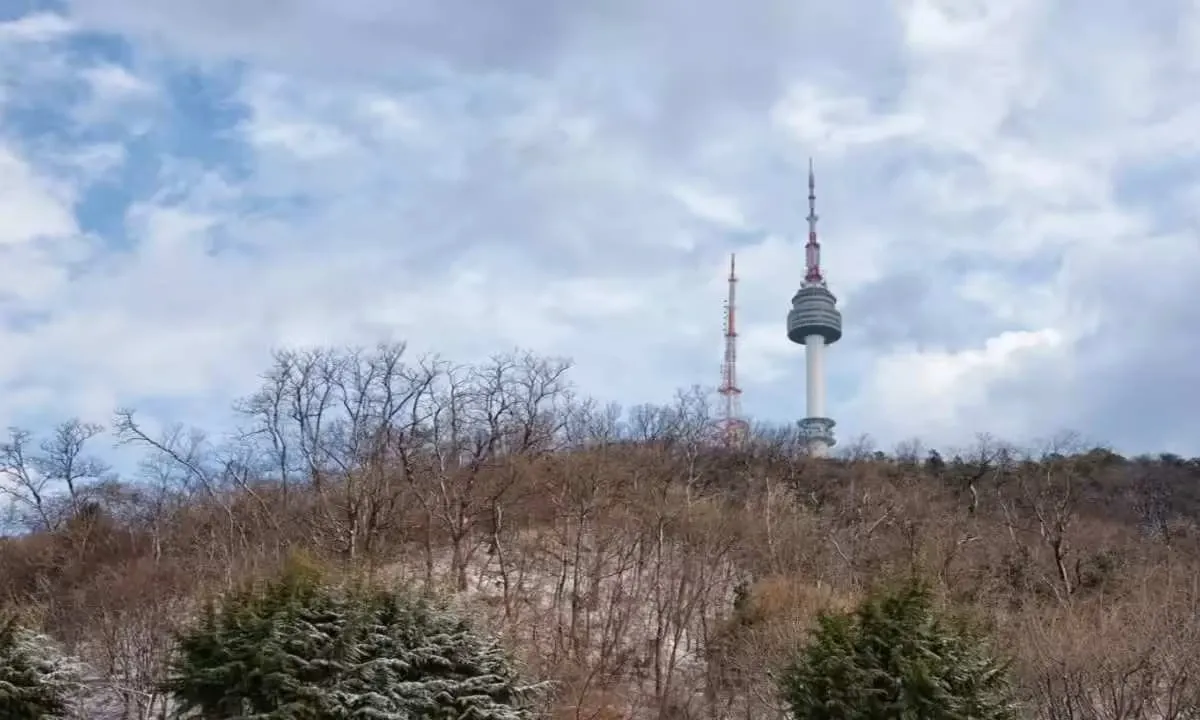
Five years later, in 2015, a team of German scientists expanded on these findings. They examined 120 trees across various locations: 60 were heavily damaged, 30 were from low-radiation areas, and the rest from random spots. Their findings matched what many had feared — all the damaged trees were near cell towers. Even more disturbingly, the side of each tree that faced the tower showed more harm, with bark damage, leaf loss, and slower growth. Over time, the damage spread across the entire tree.
But this wasn’t limited to trees. A 2003 Romanian study found that black locust seedlings exposed to 400 MHz radiation (roughly the same as early mobile frequencies) initially increased their chlorophyll production — the pigment plants use to convert sunlight into energy. But that boost didn’t last. Over time, chlorophyll levels dropped and growth slowed significantly.
Other studies explored deeper effects. In 2014, researchers exposed Plectranthus plants (from the mint family) to 900 MHz radiation — close to what 2G phones use. Just one hour of exposure was enough to disturb their enzyme systems, particularly one called MDH (malate dehydrogenase), a key player in plant metabolism. The enzyme activity fell sharply, leaving the plants struggling to process nutrients properly. Without these basic processes, the plants couldn’t thrive.
Even schoolchildren in Denmark got involved. In 2013, a group of girls conducted a small classroom experiment. They placed trays of watercress seeds in two rooms — one with WiFi routers and one without. After 12 days, the seeds in the WiFi room had mostly turned brown and died. The others flourished. Although their study was criticized for lacking scientific rigor, researchers later replicated the experiment using GSM cell tower signals and got similar results.
The trend was clear: EMF could quietly affect plants during every stage of their life — from seed germination to fruiting. Studies reviewed between 1996 and 2016 found that most showed a “significant trend” of EMF affecting plants. Even when plants managed to grow despite EMF exposure, their growth was often incomplete. Key developmental stages like budding and fruiting were delayed or altered.
Crops — the backbone of our food system — were not spared either. A five-year study by Austria’s Department of Environmental Research monitored wheat fields near high-voltage lines. The field closest to the EMF source had 7% lower crop yield than a distant control field. Another study from India in 2019 looked at EMF’s impact on soil microbiota. They found that land within 50 meters of a cell tower had higher antibiotic resistance in its soil microbes. This may sound technical, but it’s alarming — it means the natural balance of soil bacteria is being altered, potentially weakening crops before they even start growing.
Trees and plants play a massive role in keeping our environment stable. They clean our air, purify water, and support wildlife. They also help us stay cool, fight pollution, and reduce noise. Damaging them doesn’t just hurt nature — it hurts us.
So, what can we do?
Experts suggest setting buffer zones between cell towers and green areas. Controlling tower placement and reducing the power of emitted signals in certain regions could also help. Green technologies with lower EMF output may lessen the harm. Some have proposed using Faraday shielding around especially sensitive zones like botanical gardens or farmlands.
These may seem like small steps, but with the planet becoming more wired every year, they might be necessary.
The story of EMF and trees isn’t just about science — it’s about how progress can have silent side effects. And it reminds us that sometimes, the damage isn’t loud. It’s quiet, gradual, and growing right in front of us.
Maybe it’s time we stop to look — really look — at the trees around us. What side are they facing? And what’s on the other side?