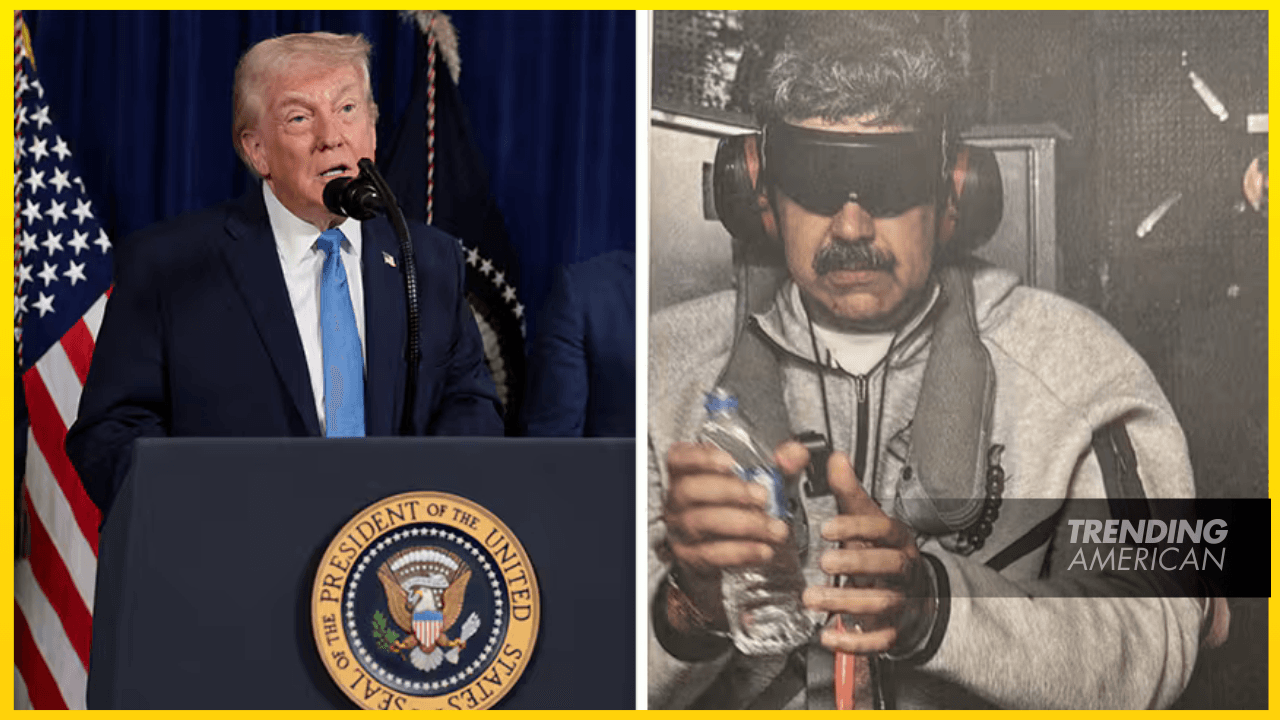
In early January 2026, a surprise U.S.-led operation hit Caracas, spanning multiple sites across Venezuela and culminating in the capture of President Nicolás Maduro. Officials framed the move as accountability for corruption and illegitimacy, a narrative aimed at justifying a radical shift in Venezuela’s leadership.
By January 3, 2026, reports described a large-scale military operation, with Maduro and his wife Cilia Flores reportedly captured and transported to the United States to stand trial on drug-trafficking charges. Reuters and The New York Times reported on their capture, with subsequent reporting detailing a claim of U.S. control over portions of the country.
The U.S. government cited holding Maduro’s regime accountable for corruption and illegitimacy. Independent observers and global media—through outlets such as Vox, The Guardian, Brookings, and NPR—have argued that underlying motives include access to oil resources and broader regional leverage, suggesting the move could be driven by strategic interests beyond accountability.
Legal scholars and advocacy groups have raised questions about the legality of unilateral invasion without invitation or international authorization. Organizations like the Brennan Center for Justice have argued there is no clear constitutional basis for invading Venezuela, and mainstream outlets and fact-checking resources have echoed this concern.
Reactions worldwide were mixed and often critical. Some governments condemned the action as unconstitutional aggression, while others weighed the strategic implications for the region, humanitarian concerns, and the future of U.S.-Venezuela relations.
The incident has upended Venezuela’s political landscape and raised long-term questions about sovereignty, regional stability, and the use of force in the Western Hemisphere.