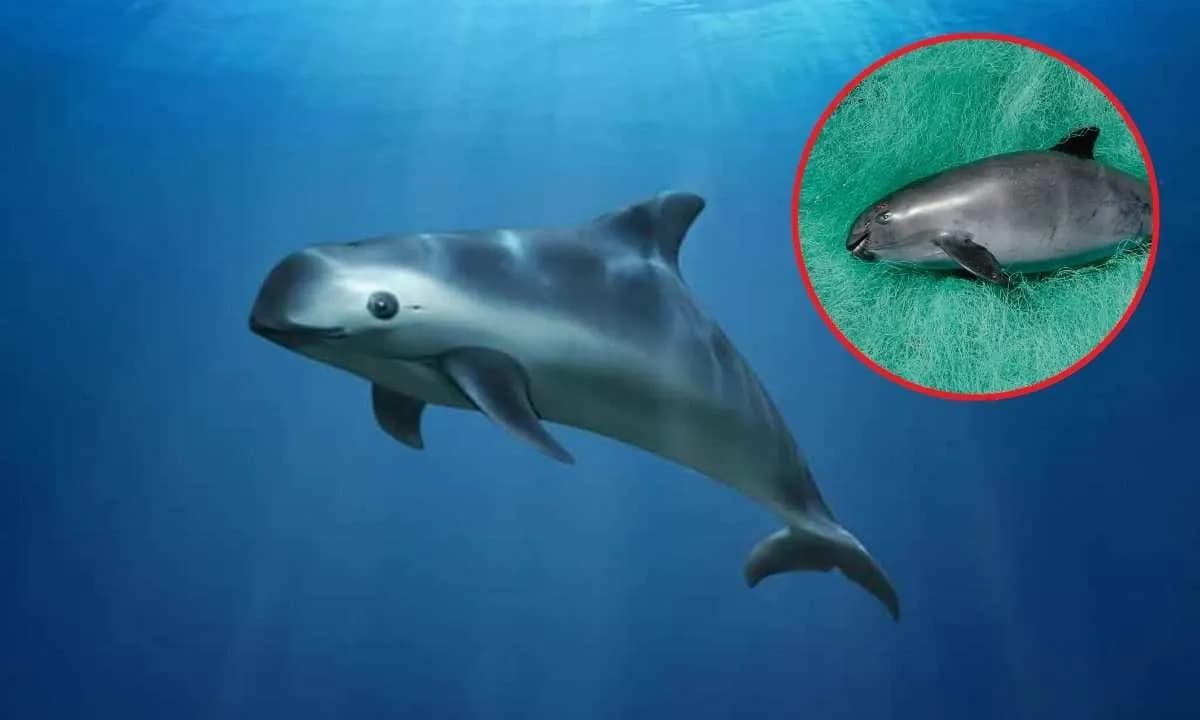
Imagine being one of the last ten people on Earth. That’s not a dystopian movie plot—it’s the real-life story of the vaquita, the world’s rarest porpoise. Found only in a sliver of Mexico’s Gulf of California, this elusive animal is now fighting for survival against invisible nets and indifferent policies.
In 2025, estimates suggest that fewer than ten vaquitas remain in the wild. The plight of the vaquita has become a heartbreaking emblem of what happens when humanity’s greed overrides nature’s delicate balance. They are caught in gillnets intended for another endangered species, the totoaba, whose swim bladders are sought after in illegal markets.
Picture these tiny creatures—no larger than a child—struggling against the odds. As they swim in their small confined nooks, every stroke can bring them closer to entanglement. Since 1997, their population has plummeted from an estimated 600 individuals, indicative of a crisis more about human mismanagement than natural selection.
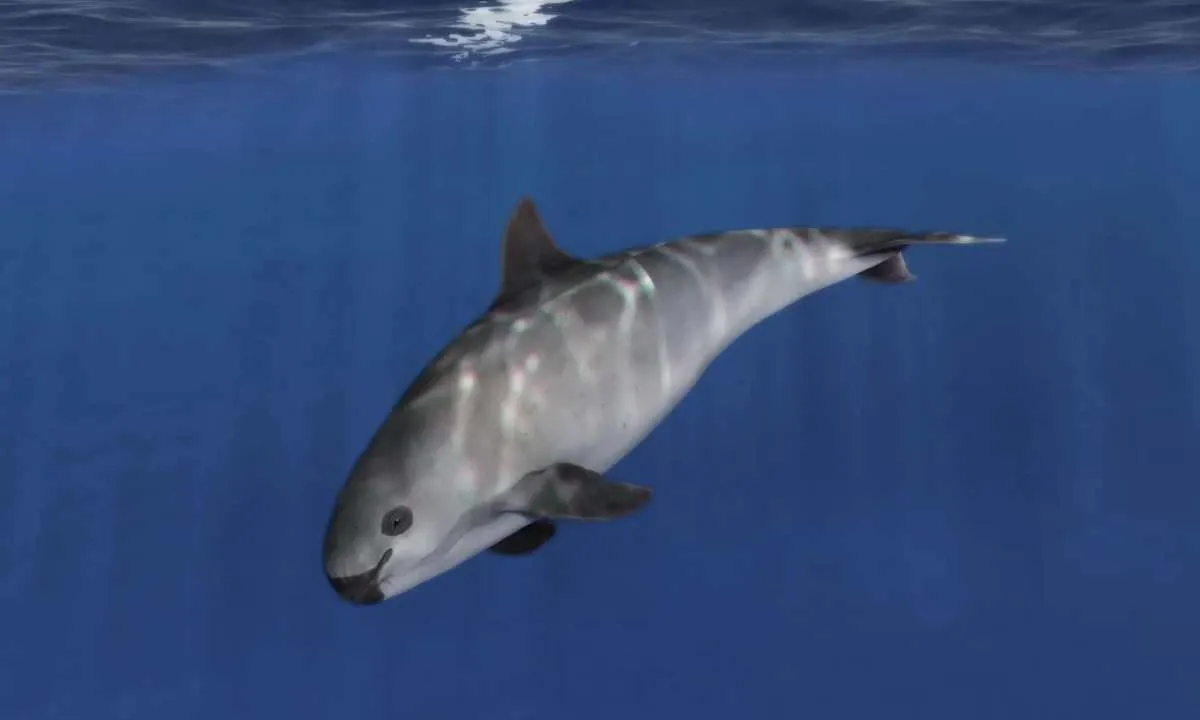
The current conservation efforts face significant hurdles. Despite protections, illegal fishing continues in designated marine protected areas. It’s a twisted irony: the very zones meant to shelter the vaquita could also be the final resting places for its kind. Conservationists have spotlighted these contradictions, raising alarms while scrambling for solutions.
Yet, amidst the grim statistics and baffling bureaucracy, there’s hope. Researchers have spotted calves in recent years, suggesting the few remaining vaquitas are still trying to reproduce. Could the remnants of this species adapt enough to continue their line? The question lingers, as do the echoes of their fading calls.
‘The paradox is striking. ‘On one hand, you have an almost certain death sentence for this species, yet on the other, moments of resilience like these provide a glimmer of hope.’ ’
says marine biologist Dr. Sarah Morales.
But how long can this struggle last?
Efforts have ramped up to protect these creatures. Organizations like Sea Shepherd patrol the waters, working tirelessly to curtail illegal fishing. The challenge, however, is colossal, as hefty fines for poachers often go unheeded. Meanwhile, local fishermen are caught in economic strife, torn between survival and sustainability.
Furthermore, the voices advocating for change are growing faint in a sea of competing interests. The Mexican government has announced plans to protect the vaquita, yet critics argue that actions so far fail to match the intensity of the crisis. Each announcement feels like a band-aid on a gaping wound.
As 2025 progresses, a bittersweet awareness spreads across the globe. People are becoming more aware of the plight of the vaquita—through documentaries, petitions, and viral social media posts. But will awareness translate into meaningful change? Can enough people rally to protect the last remnants of a species that once flourished?
However simple the answer should be, it’s complicated by politics, ignorance, and apathy. What would our world look like without the vaquita? The ripple effects of extinction extend beyond this one species. Their fate embodies the broader environmental crisis, revealing how intertwined our survival is with the health of our oceans.
What remains is a haunting narrative—an echo of a species fighting extinction. The question resides in the hearts of those who advocate for change: will we sit back and watch as a creature so uniquely beautiful fades into our history, or will we step up to forge a path towards rehabilitation?
In a world staring into a mirror reflecting our own choices, the fight to save the vaquita is not just about them. It’s a call for humanity to reconsider its role in the web of life on our beloved planet. The last ten vaquitas are not just a statistic; they are a reminder: we hold the power to choose preservation over ignorance, conservation over destruction.
As we move forward, each moment matters. Will we rise as stewards of our environment or remain as passive onlookers, watching the last vestiges of a once-thriving species disappear forever?