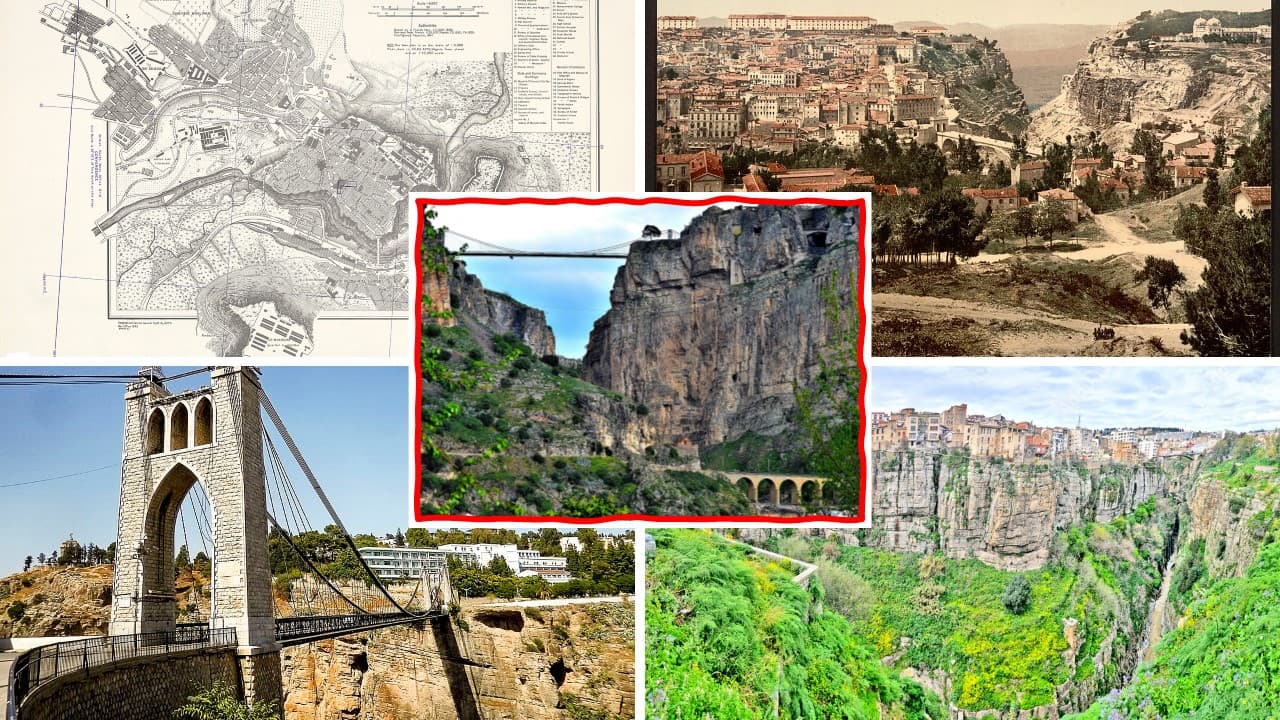
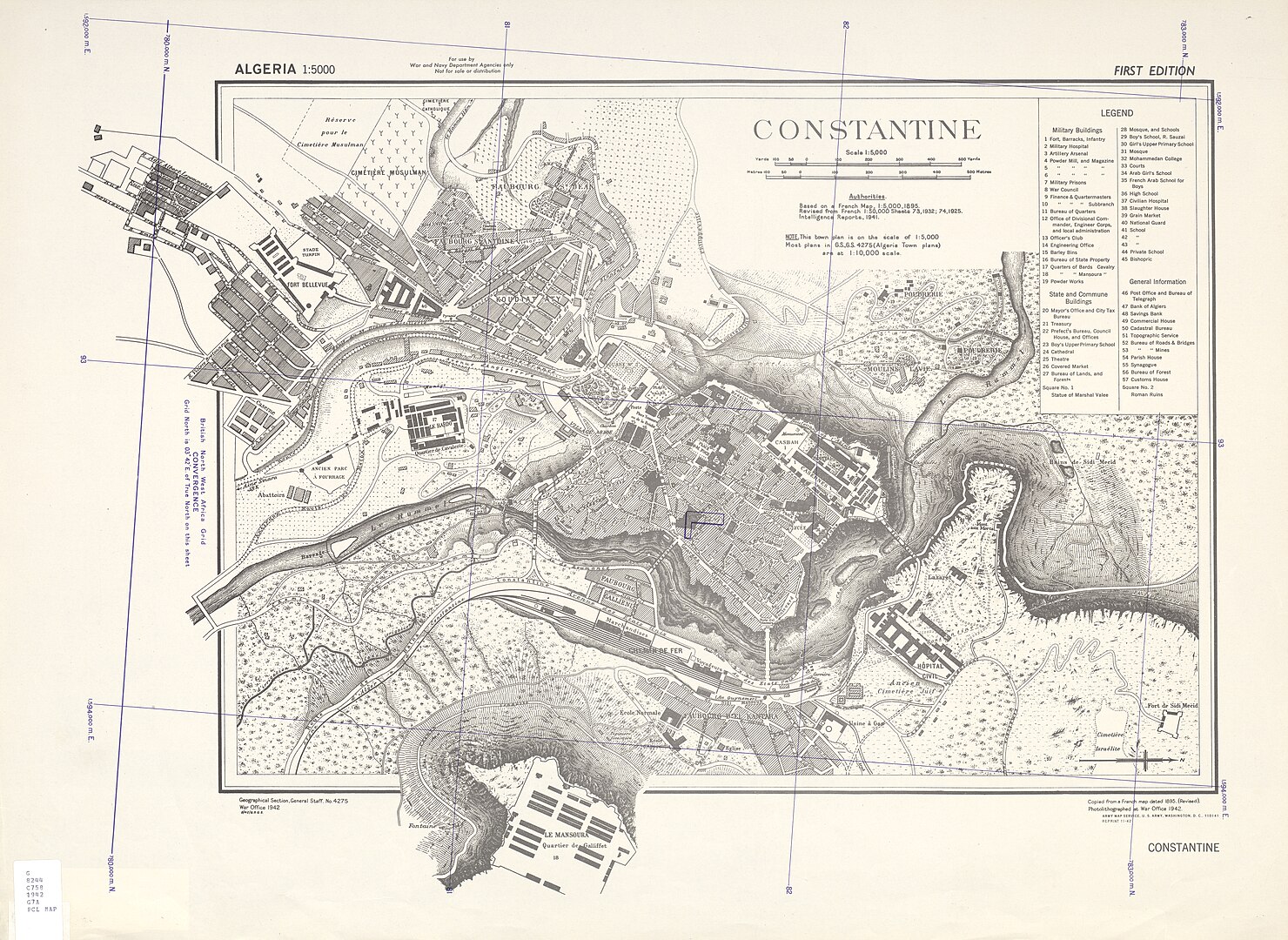
Constantine is variously referred to as the “City of Hanging Bridges,” because its face is dominated by ravines and bridges. Shaped in such a form by these breathtaking bridges, Constantine, in Algeria, is the third largest city in Algeria. The city is securely located on a rocky plateau 650 meters above sea level. Surrounded by Rhumel River, it is a wonder to behold. But what makes this city more unique is its bridges. Constantine has a number of picturesque bridges connecting the various hills, valleys, and ravines. Sidi-M’Cid is one of the highest and most popular bridges in Constantine. Let’s capture the charm and character of the “city of hanging bridges”!
The History of Hanging Bridges
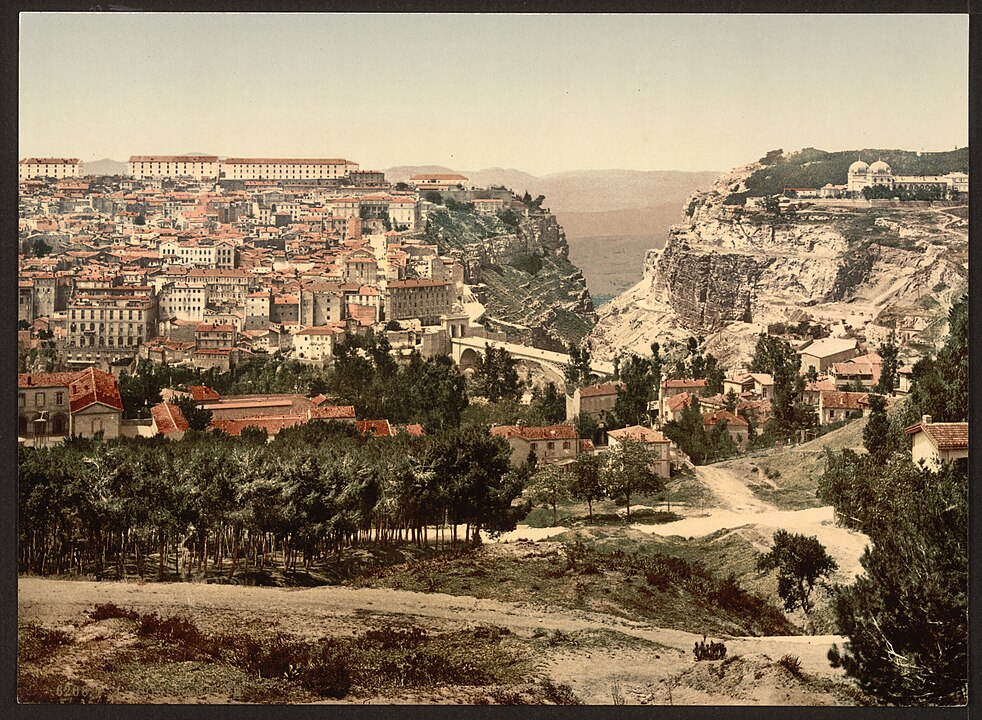
With a long and tortured history deeply influenced by its challenging geography, Constantine stands on a steep ravine, where bridges are needed to connect the various parts of the city. In fact, the city of Constantine has evolved with each step through the hanging bridges, representing its peculiar landscape and history from Roman times up to the present day.
The Iconic Bridges of Constantine
Several hanging bridges, carrying with them a special tale of their own, mark Constantine today: Sidi M’Cid Bridge, Sidi Rached Bridge, and Mellah Slimane Bridge. These have emerged as city landmarks that not only connect various parts of the city but also various periods of its history.
All the bridges had their problems in construction. Especially navigating through Constantine’s steep terrain. However, they overcame these challenges with ingenuity. The bridges offer dramatic views and become objects of resilience and creativity.
Pont Sidi M’Cid
The Sidi M’Cid Bridge, constructed in 1912, is an iconic landmark of Constantine. For quite some time, this was the highest suspension bridge in the world and an engineering marvel. Completed in 1912, Sidi Rached Bridge stands as one of the largest stone-arch bridges in the world. The bridge is the work of French engineer Ferdinand Arnodin. It is 168 meters long and 175 meters high.
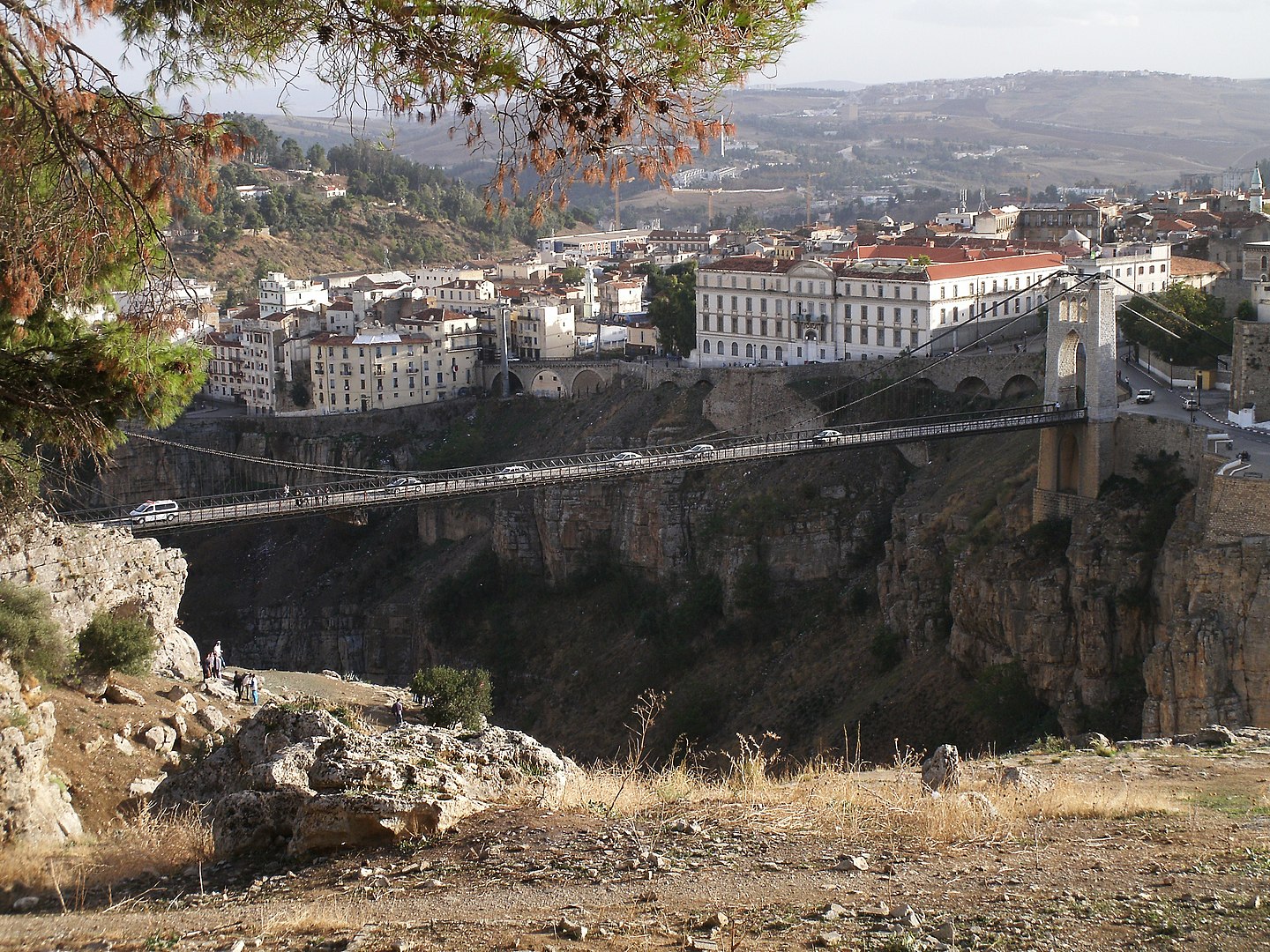 Sidi M’Cid Bridge | Image source: Wikipedia
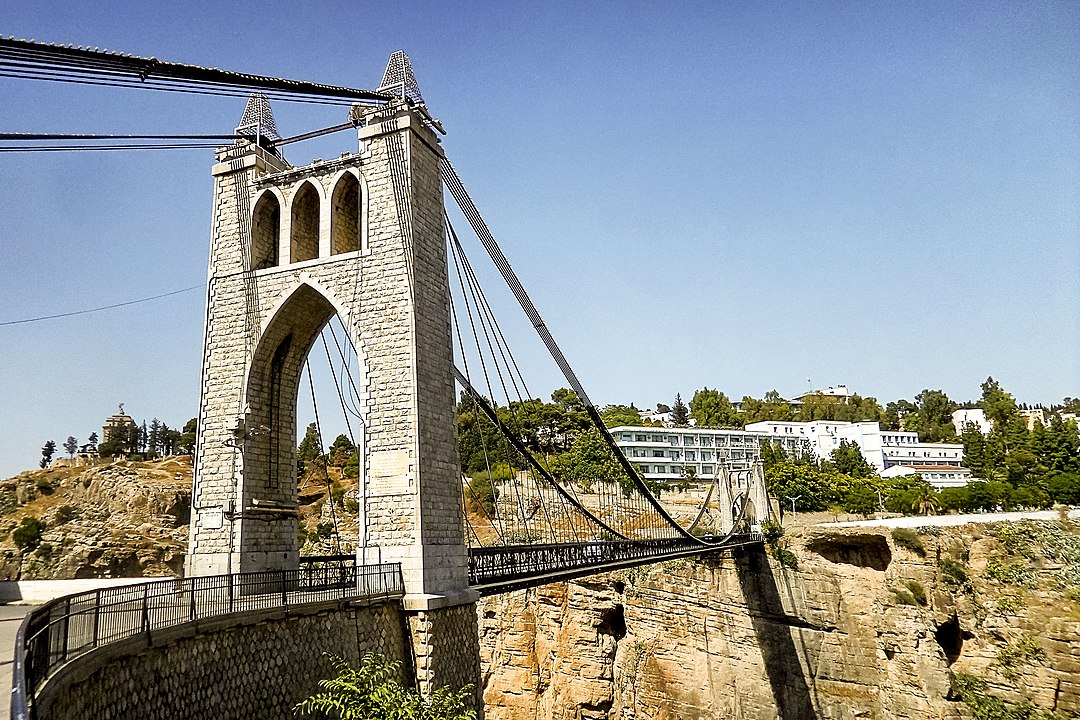 Constantine – Pont Sidi M’Cid قسنطينة – جسر سيدي مسيد | Image source: Wikipedia
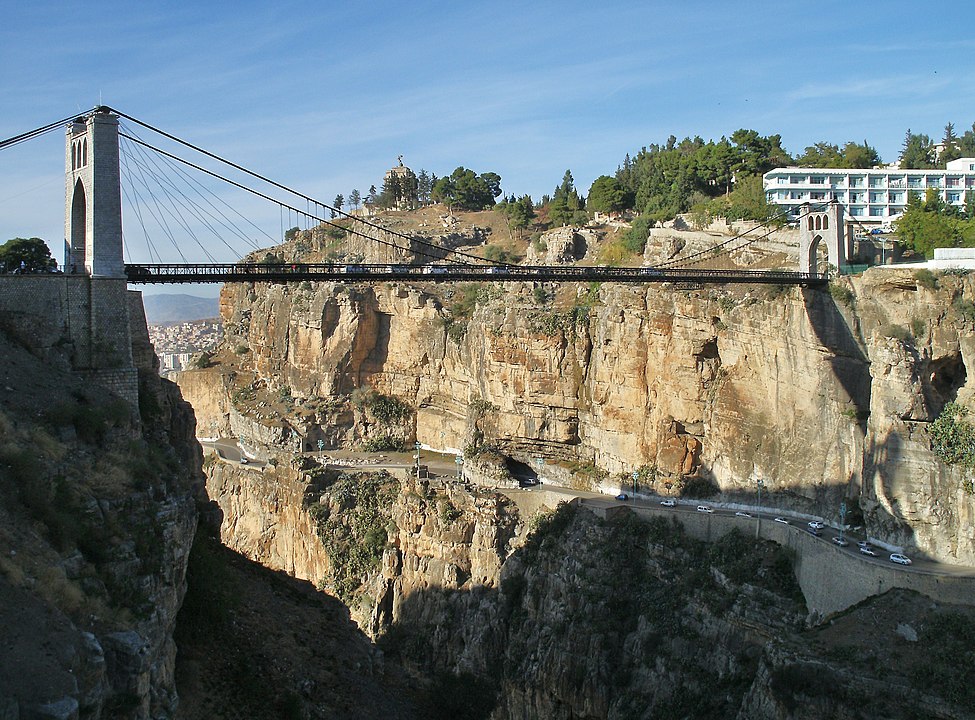 Le pont de Sidi M’Cid à Constantine | Image source: Wikipedia
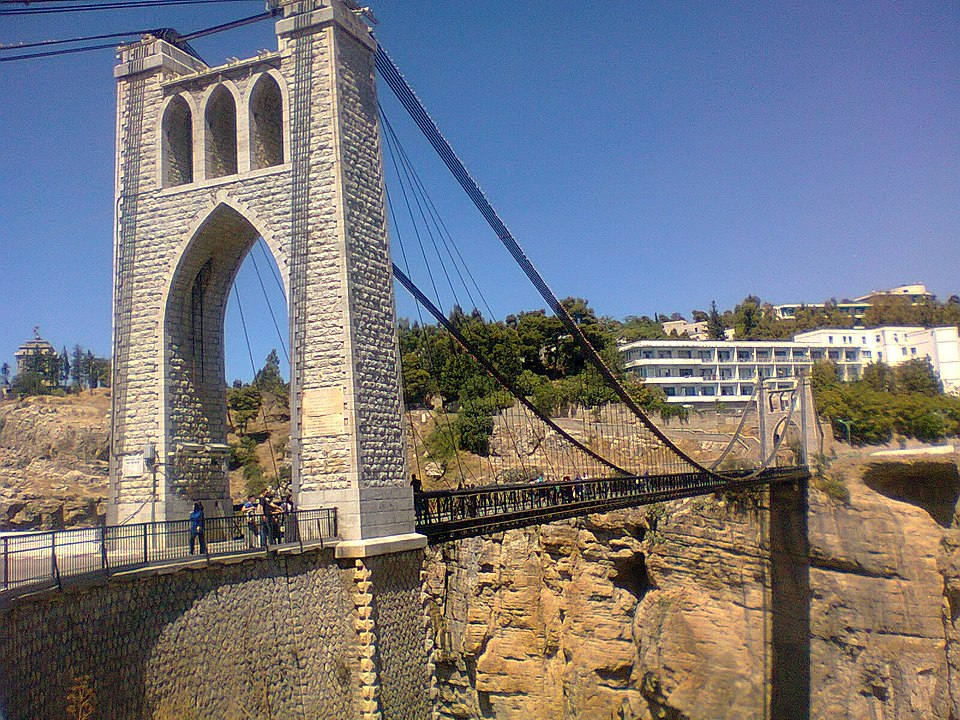 The archways on either side of the bridge | Image source: Wikipedia
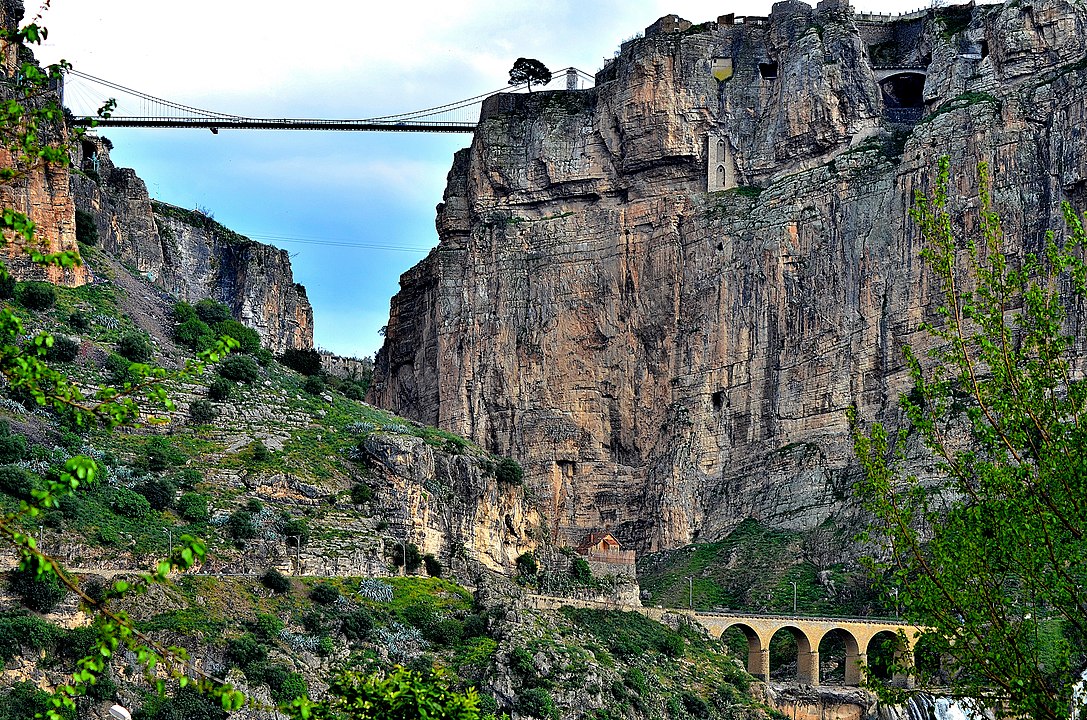 The gorge beneath the bridge | Image source: Wikipedia
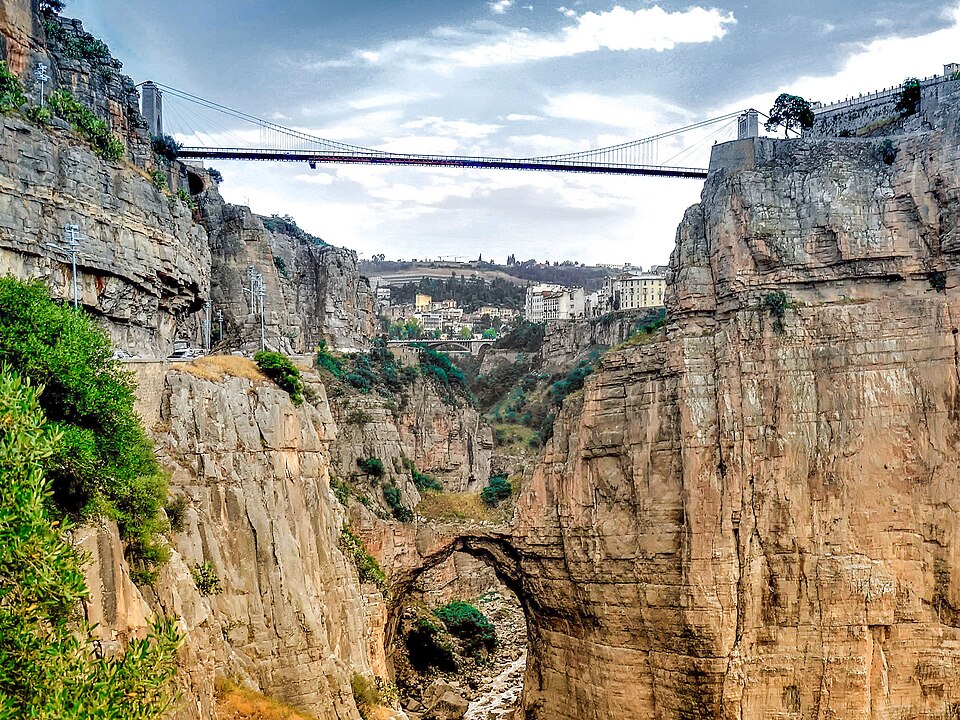 The natural bridge beneath the Sidi M’Cid | Image source: Wikipedia
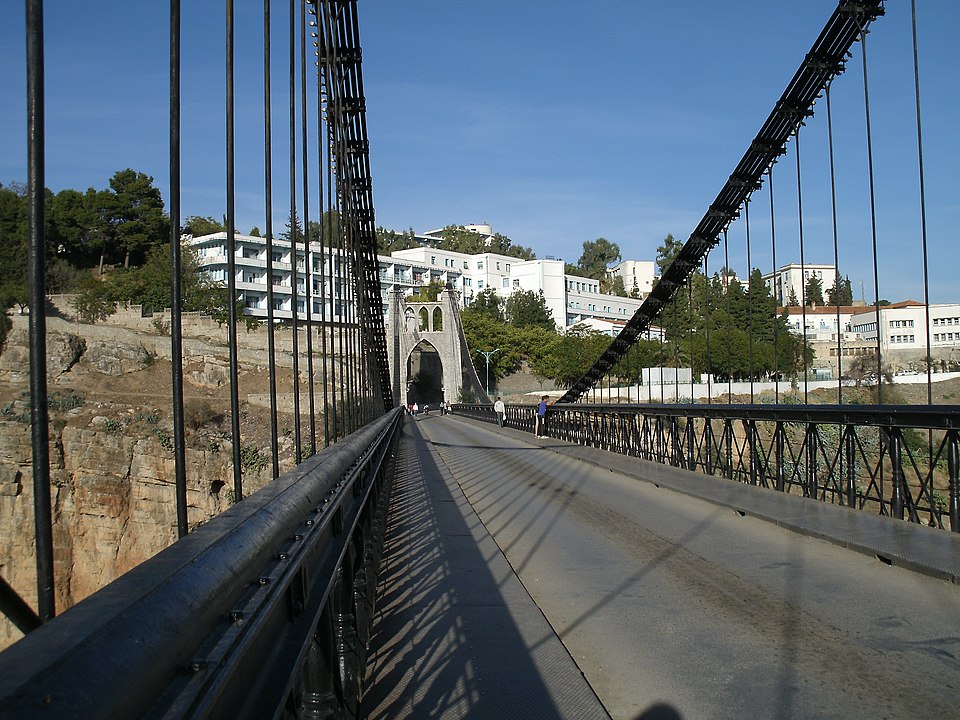 The road and the pedestrian walkway | Image source: Wikipedia
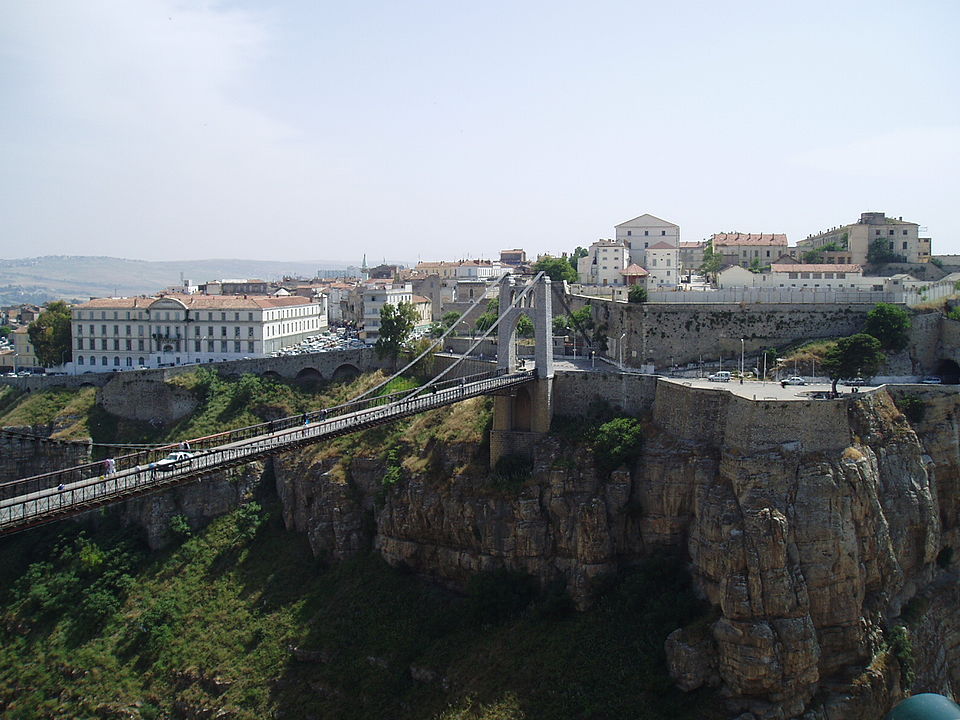 The Sidi M’Cid hill on one side of the bridge | Image source: Wikipedia
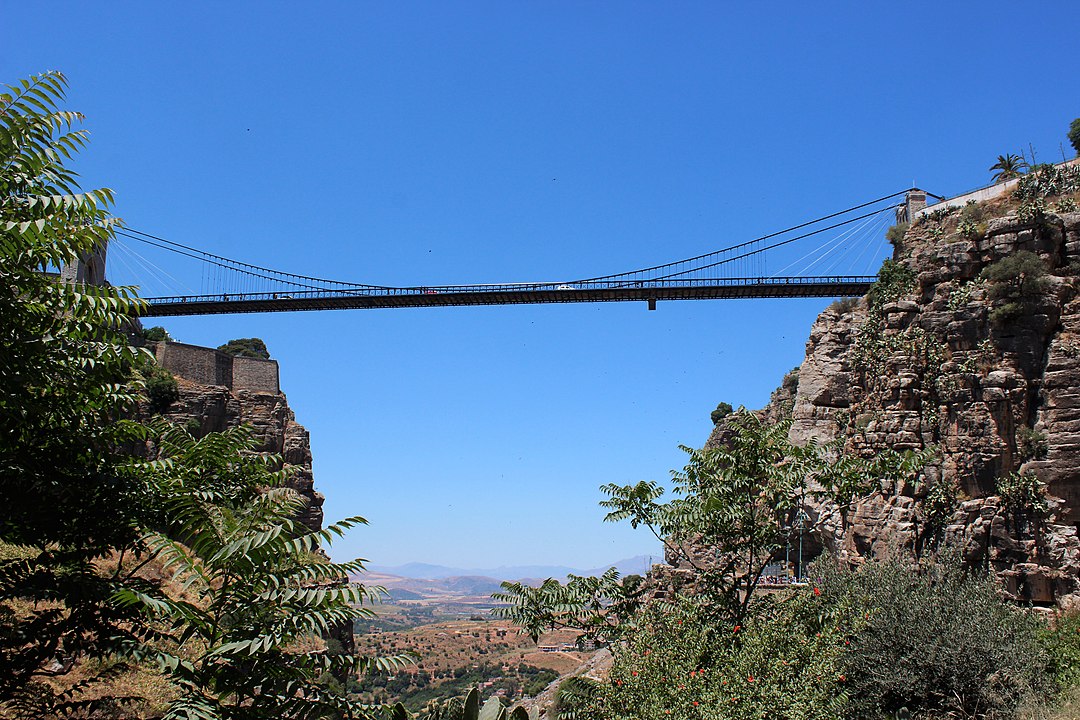 The view from beneath the bridge | Image source: Wikipedia
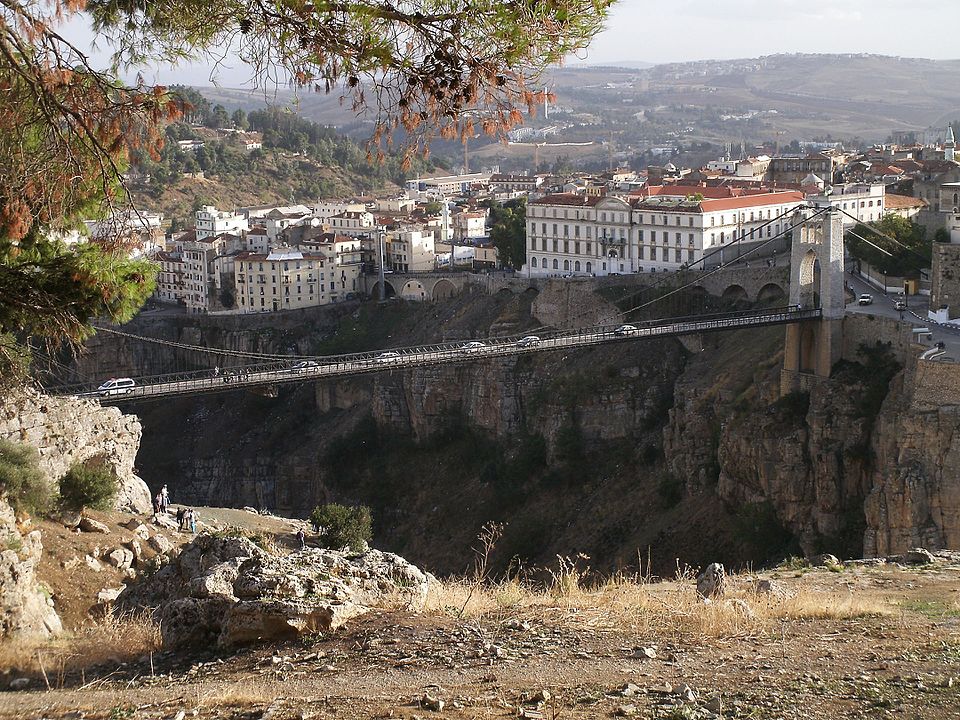 View of the Sidi M’Cid hill and the city | Image source: Wikipedia
Pont Sidi Rached
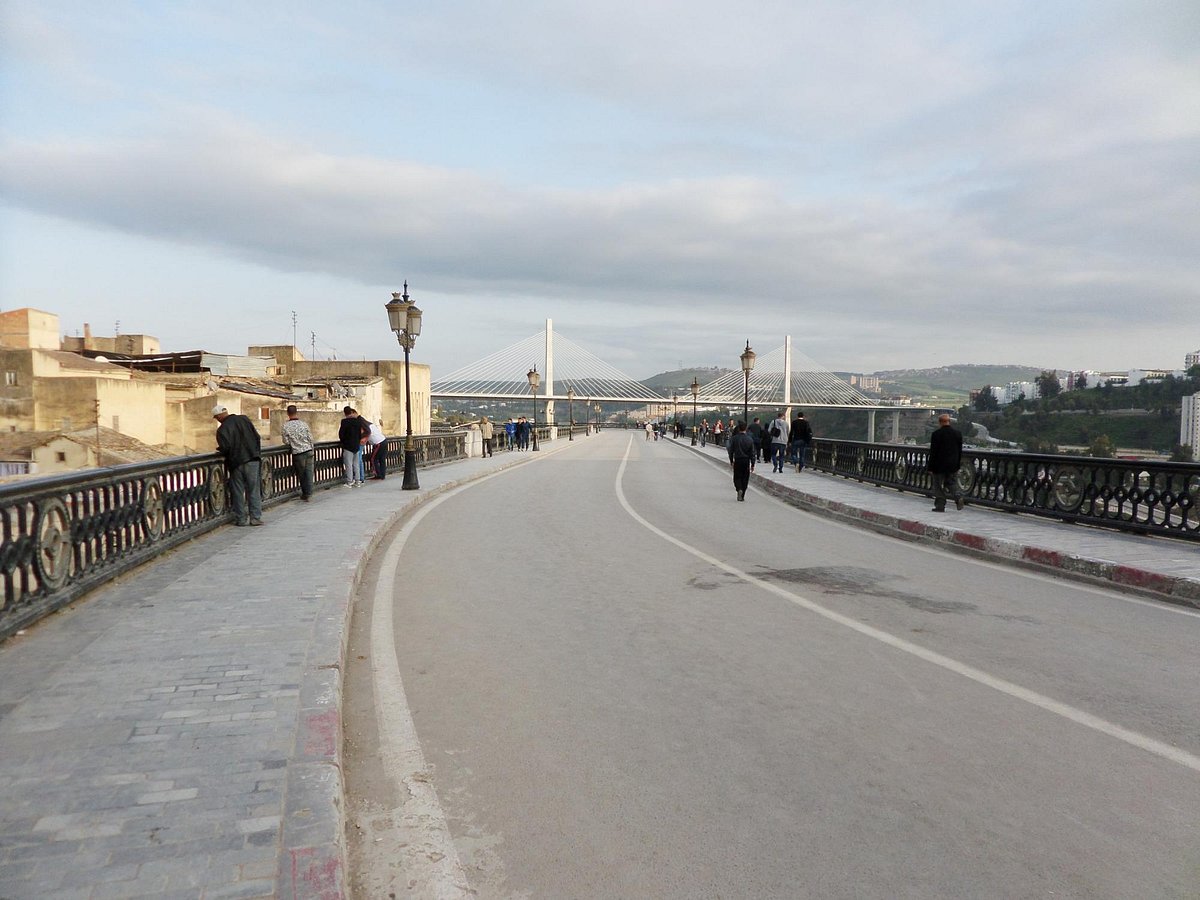 Image source: tripadvisor.com
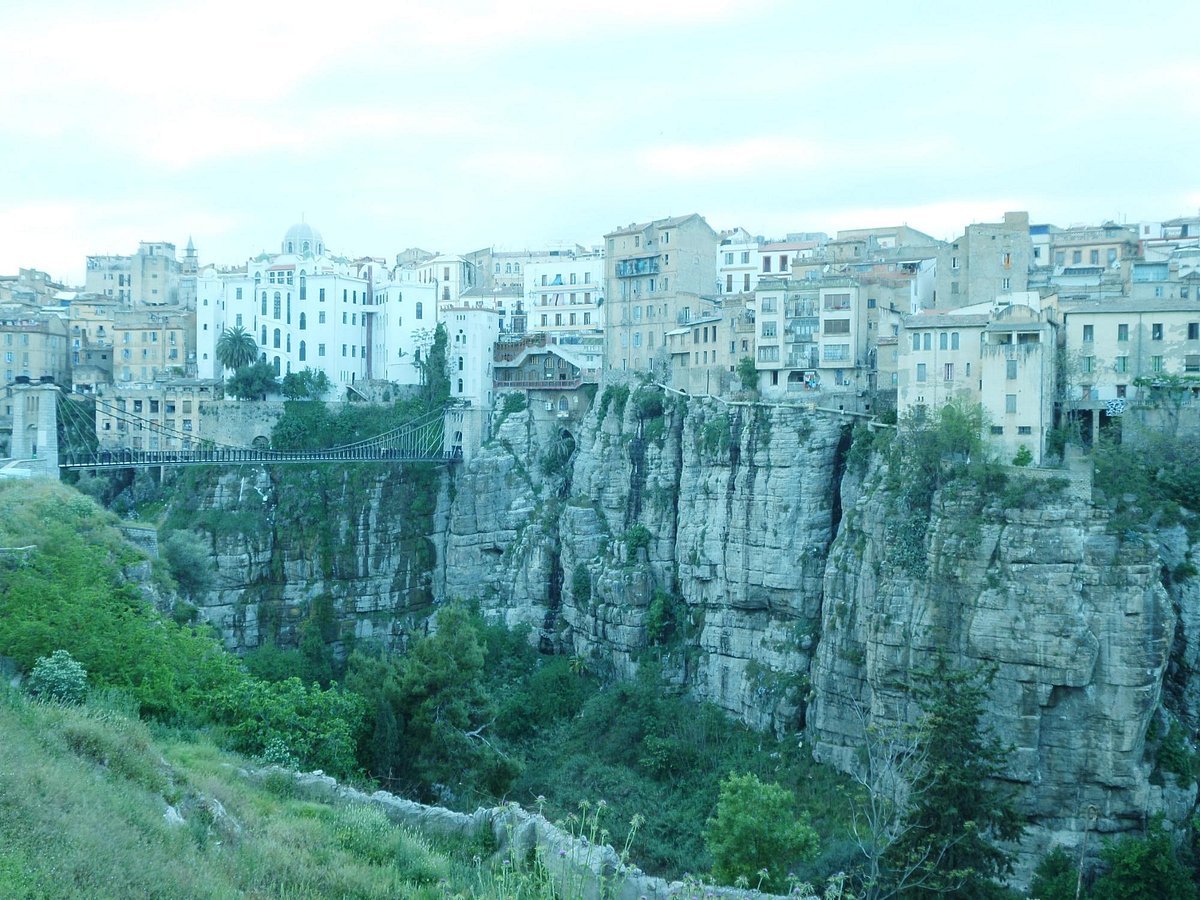 Image source: tripadvisor.com
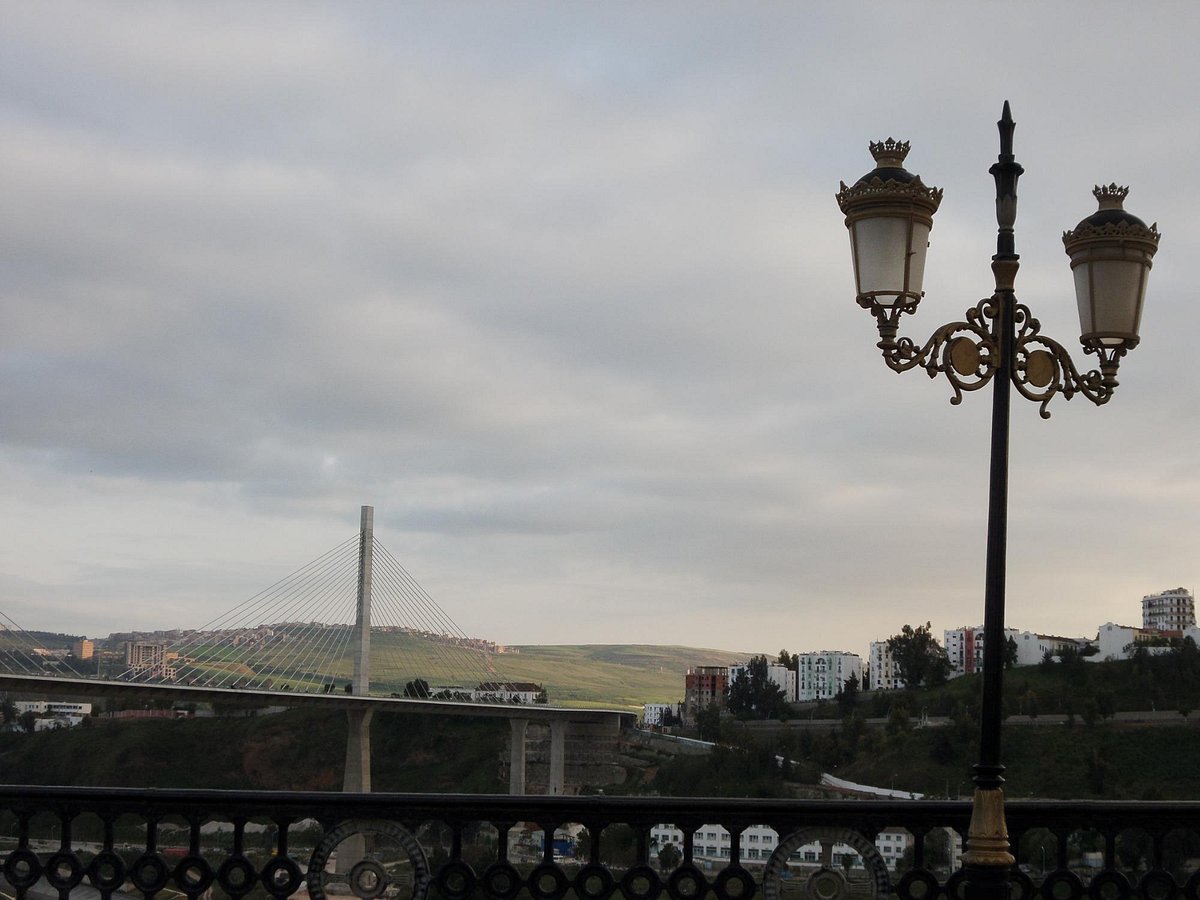 Image source: tripadvisor.com
Pont d’El-Kantara
This is the oldest and one of eight famous high-level bridges in Constantine. The bridge crosses the Rhumel River and has taken several different forms over the years. It stood as an Ottoman-style multi-arch bridge in 1792 and as a French iron arch in 1863. Currently, it stands as a concrete arch bridge.
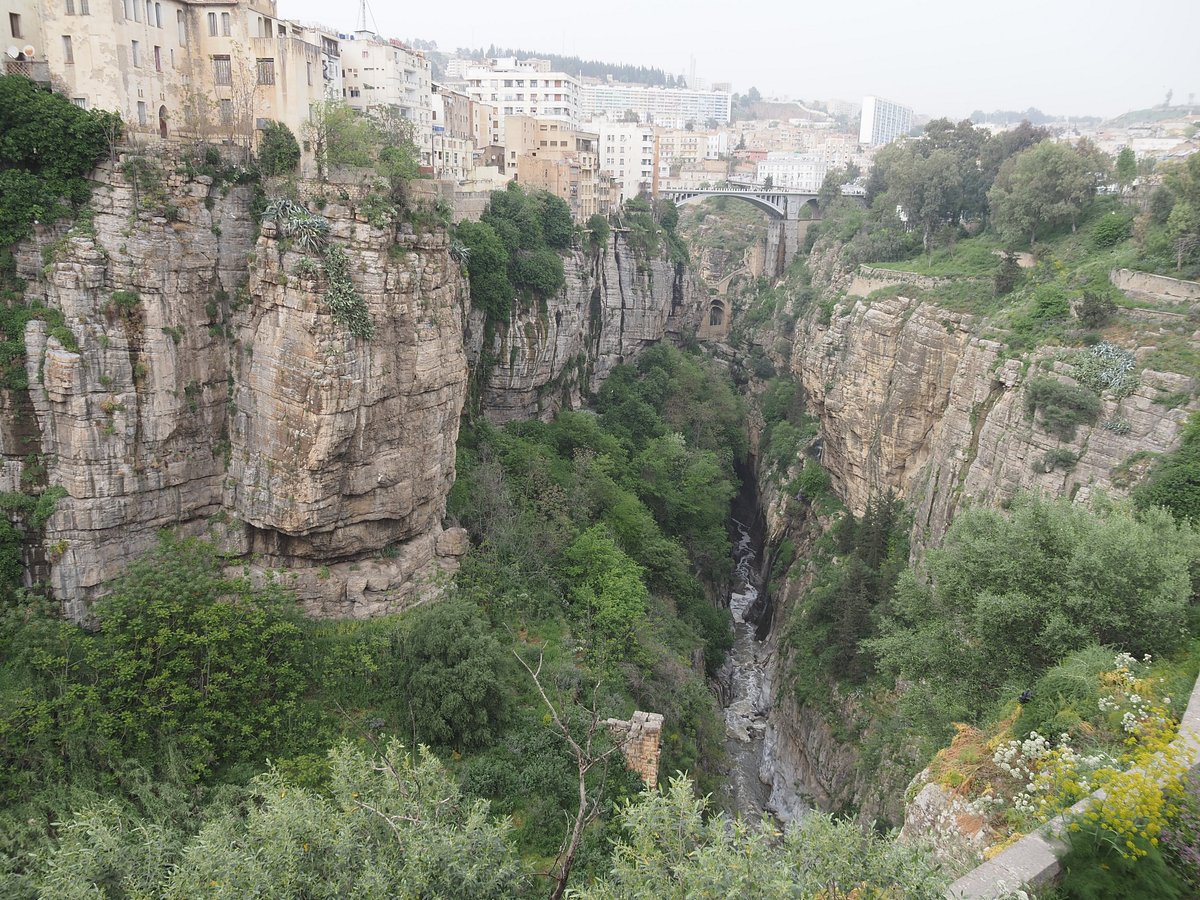 Image source: tripadvisor.com
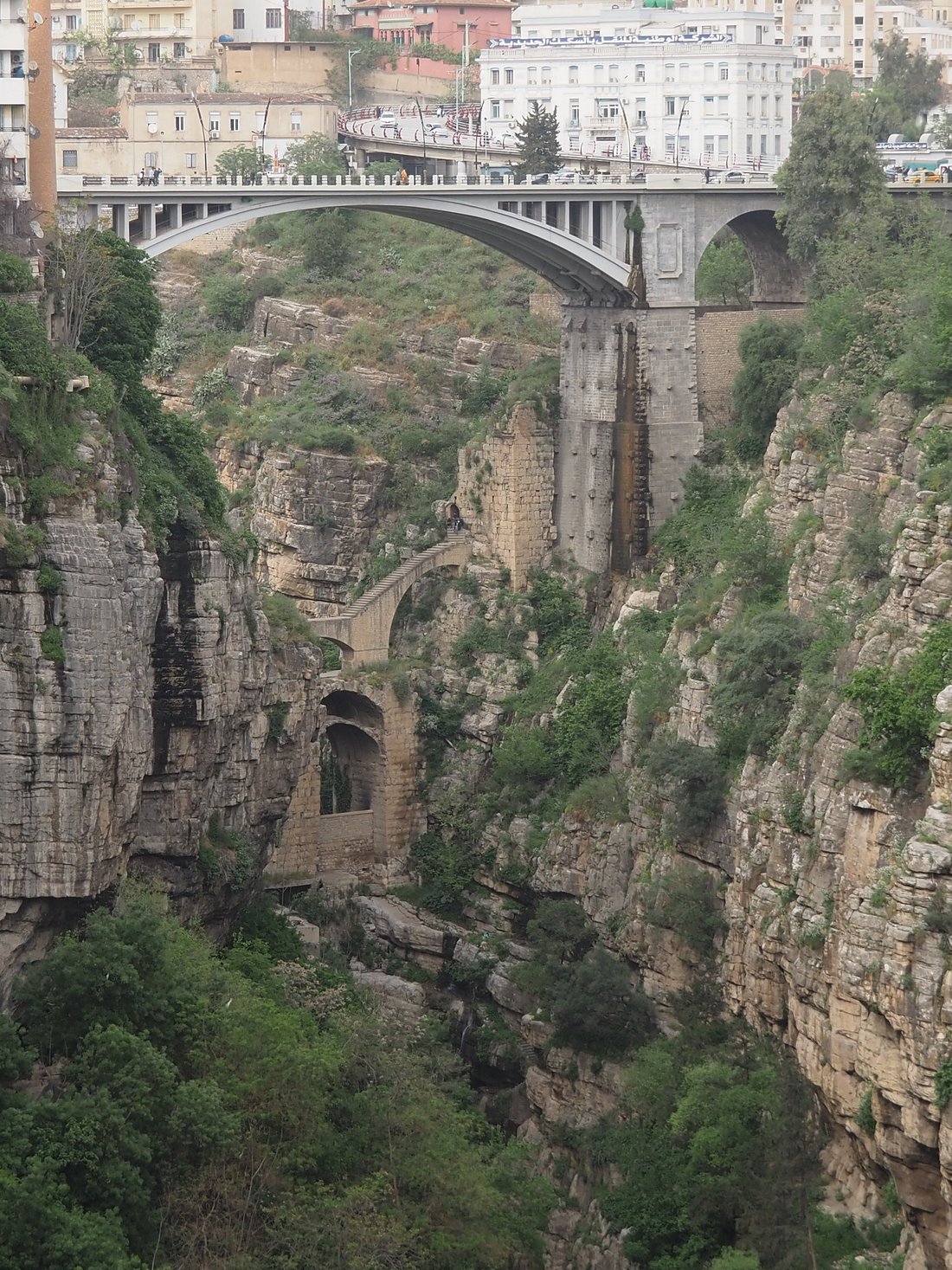 Image source: tripadvisor.com
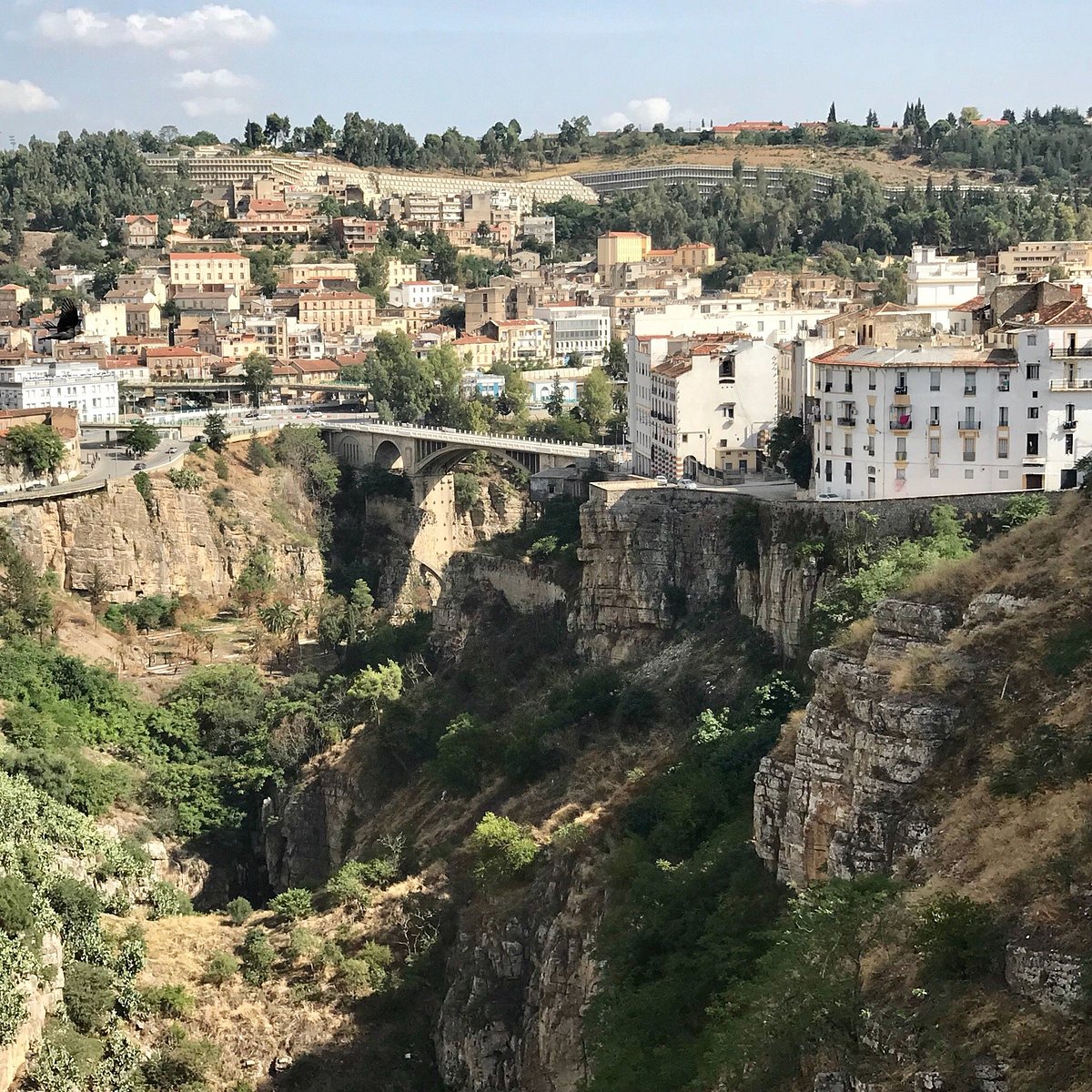 Image source: tripadvisor.com
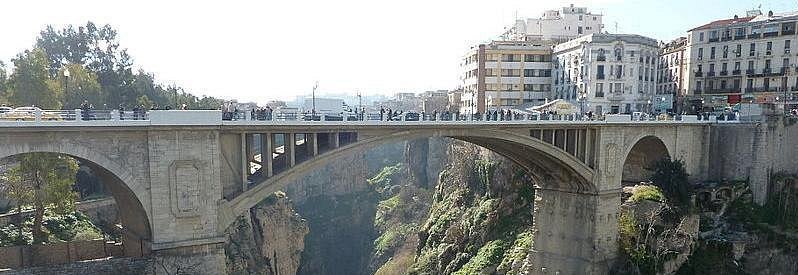 Image source: tripadvisor.com
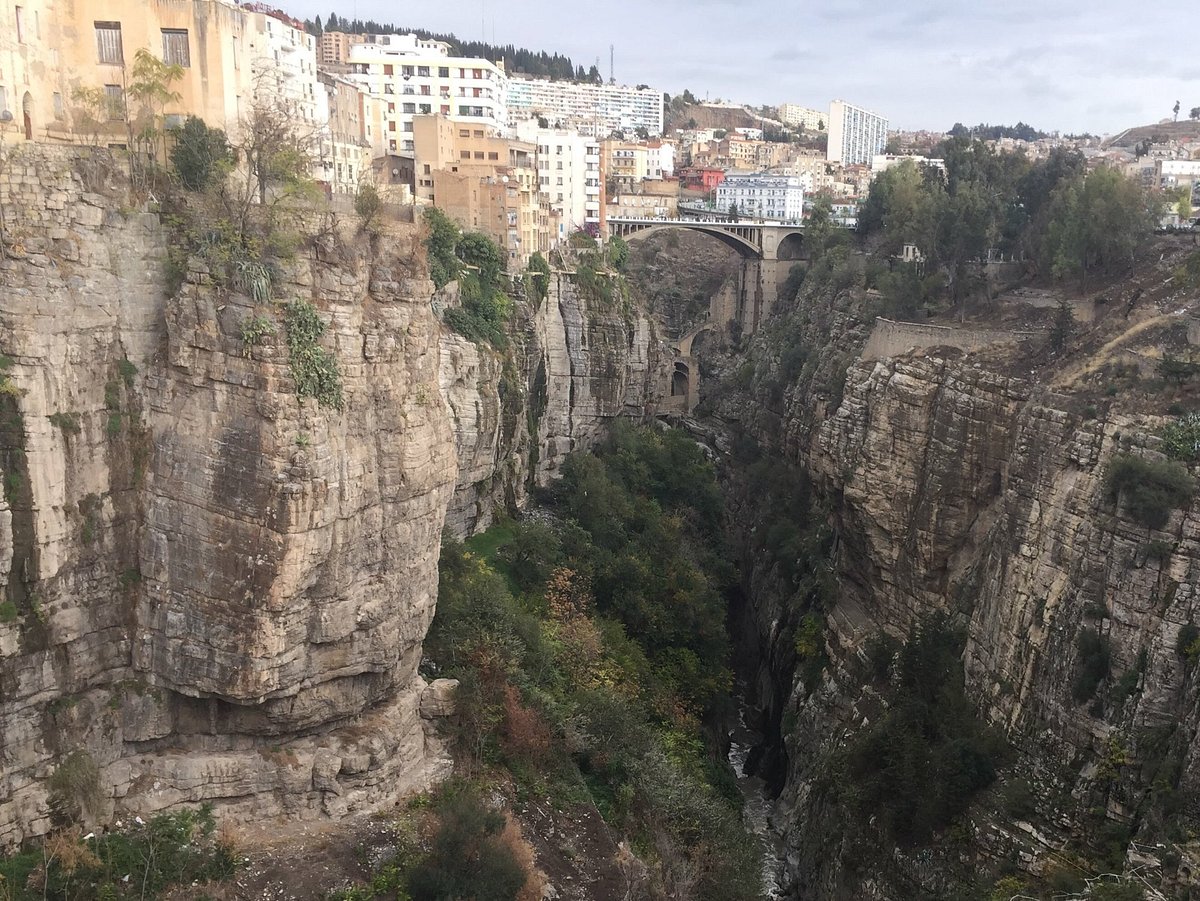 Image source: tripadvisor.com
The Falls Bridge | Pont des Chutes
Built in 1925, it is 80 meters high and is one of the most stunning bridges in Constantine.
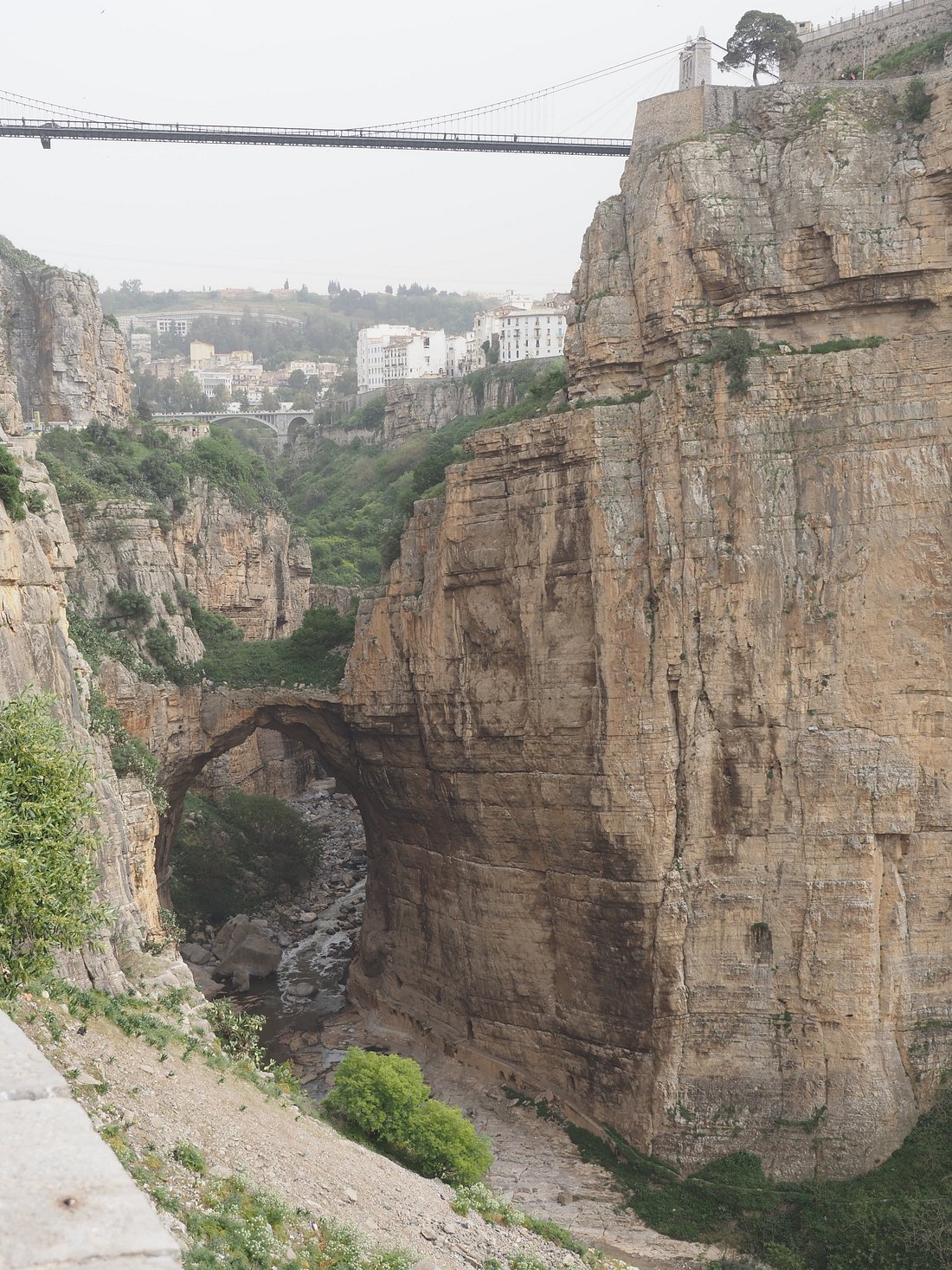 Image source: tripadvisor.com
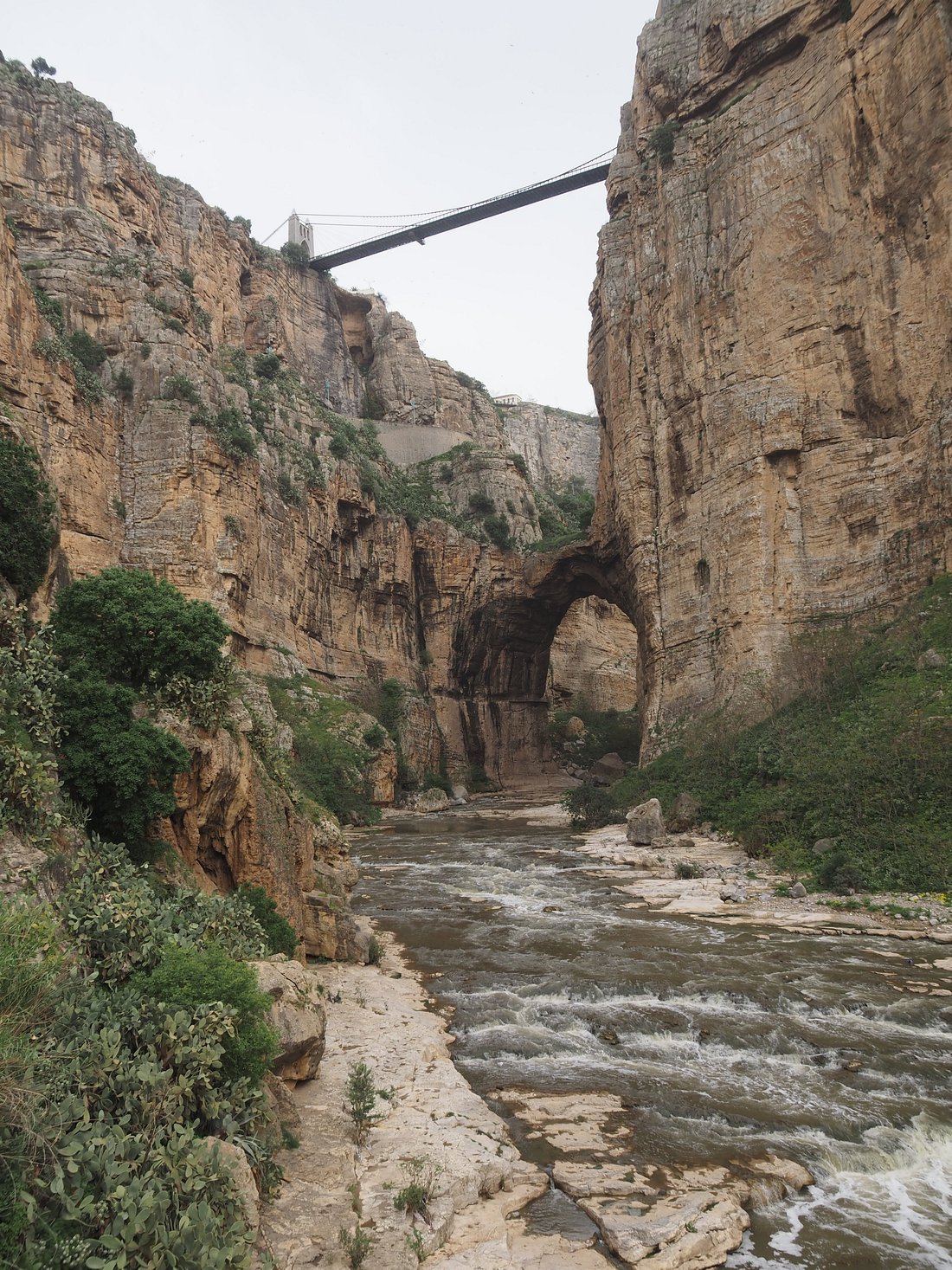 Image source: tripadvisor.com
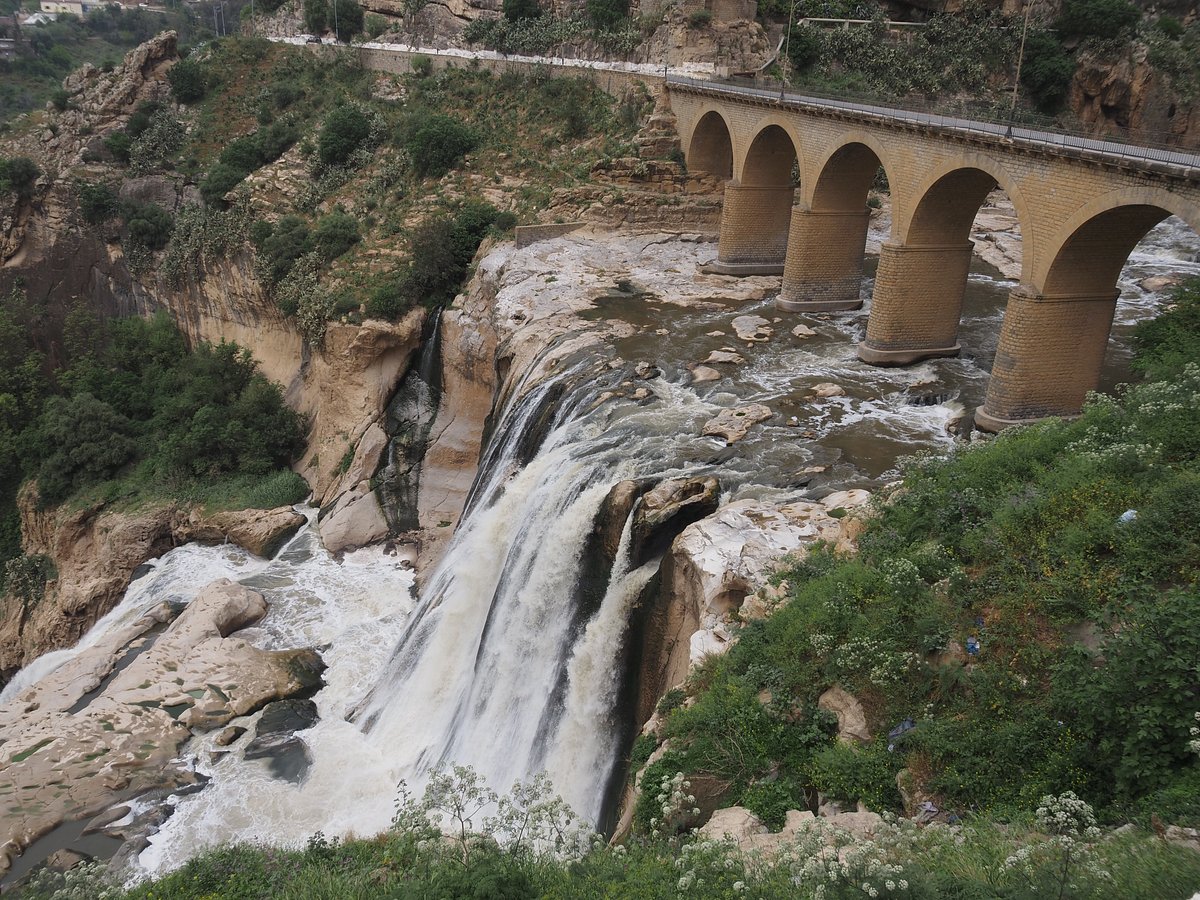 Image source: tripadvisor.com
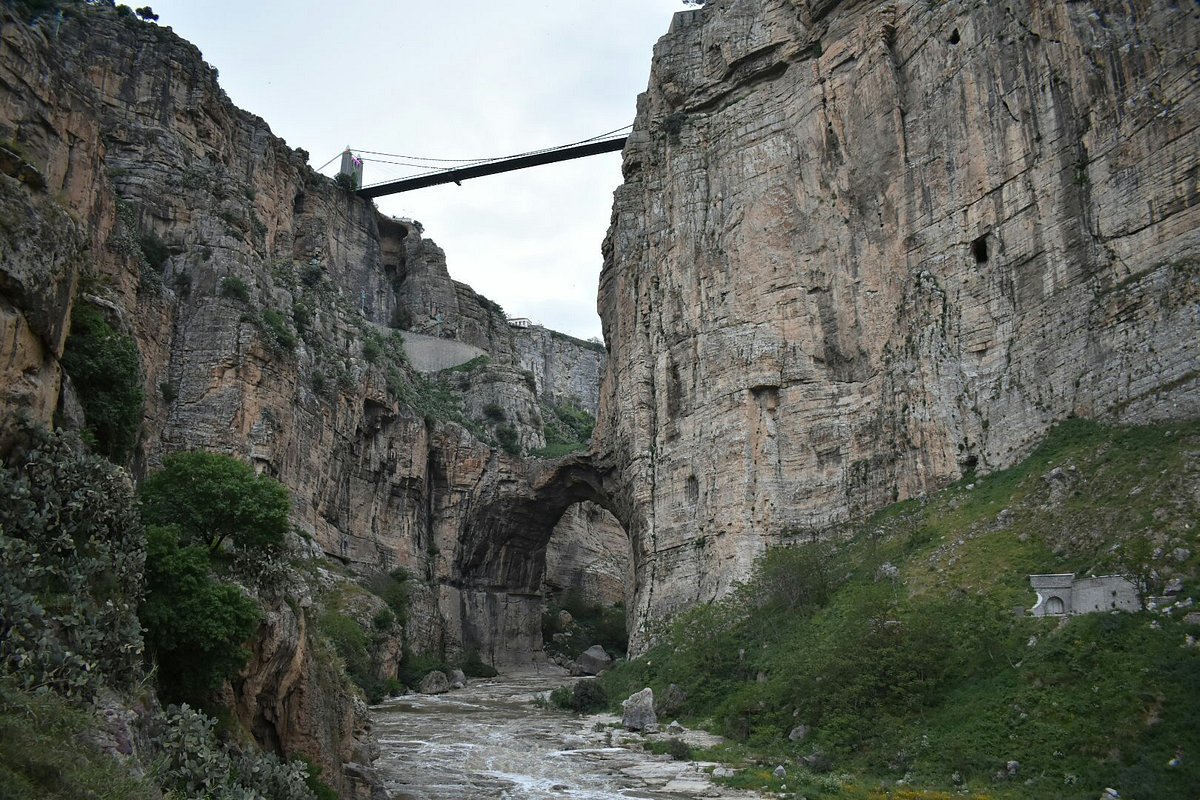 Image source: tripadvisor.com
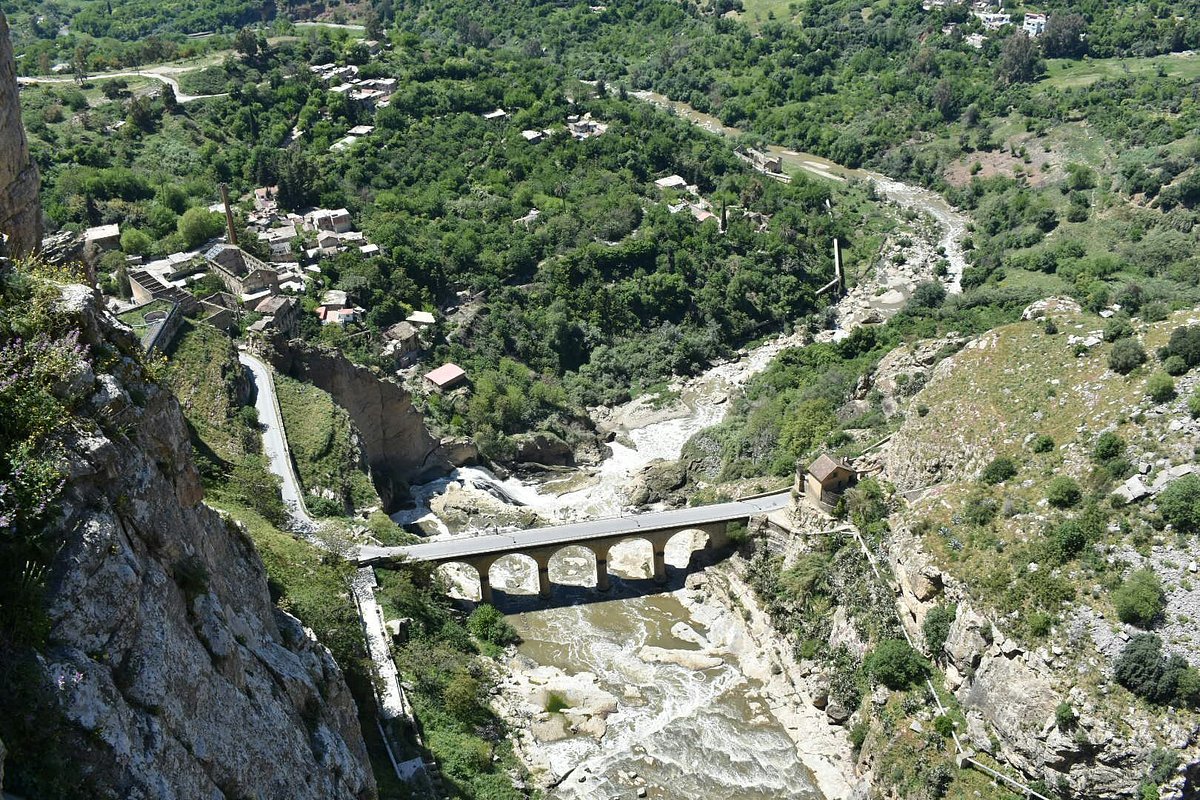 Image source: tripadvisor.com
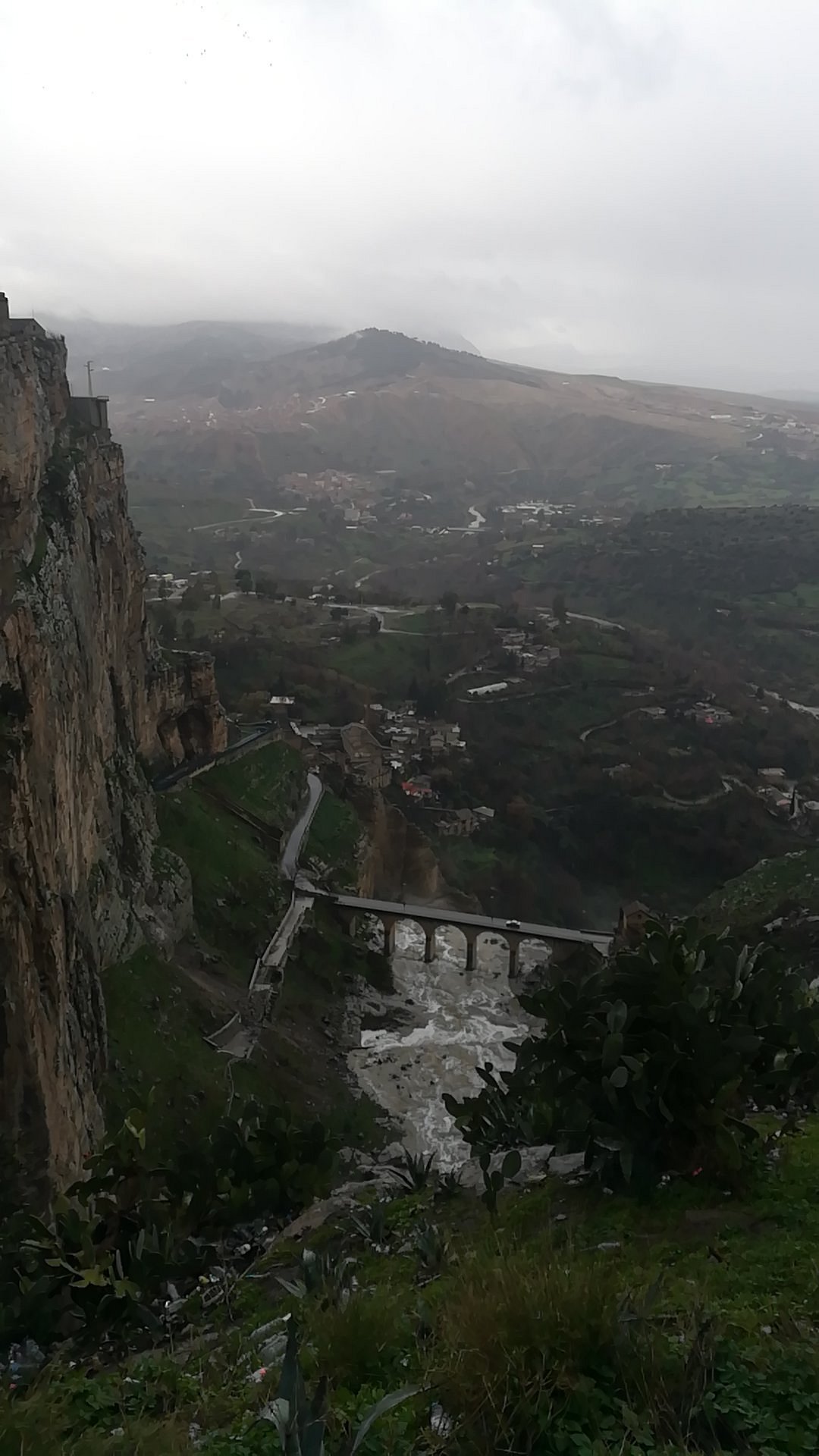 Image source: tripadvisor.com
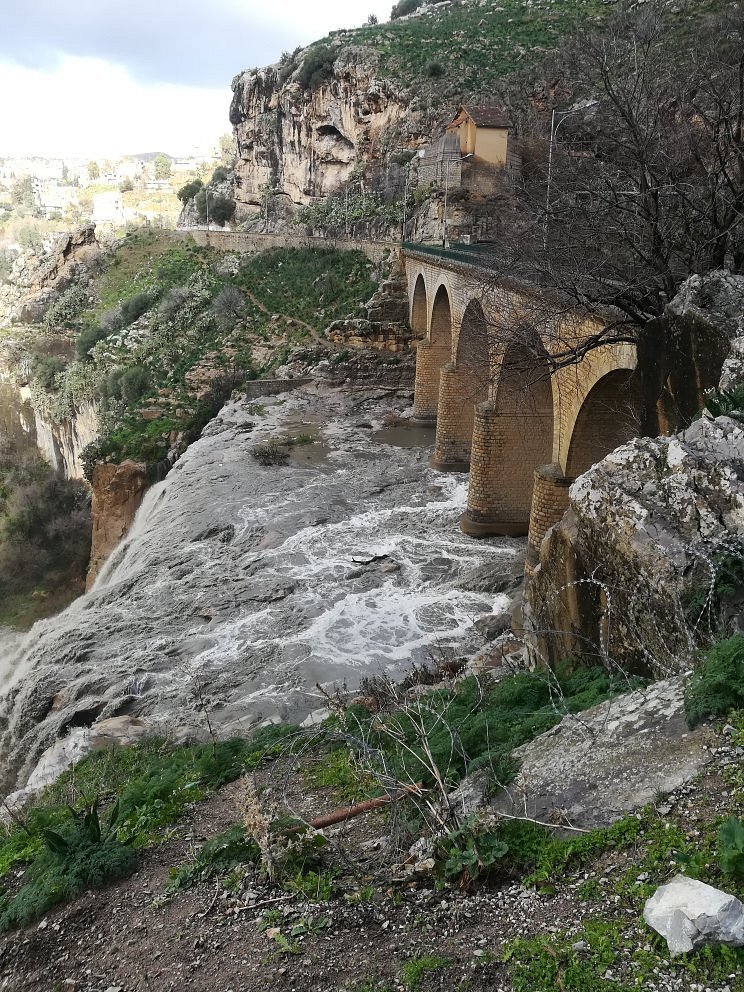 Image source: tripadvisor.com
Pont De Melah Sliman
 Image source: tripadvisor.com
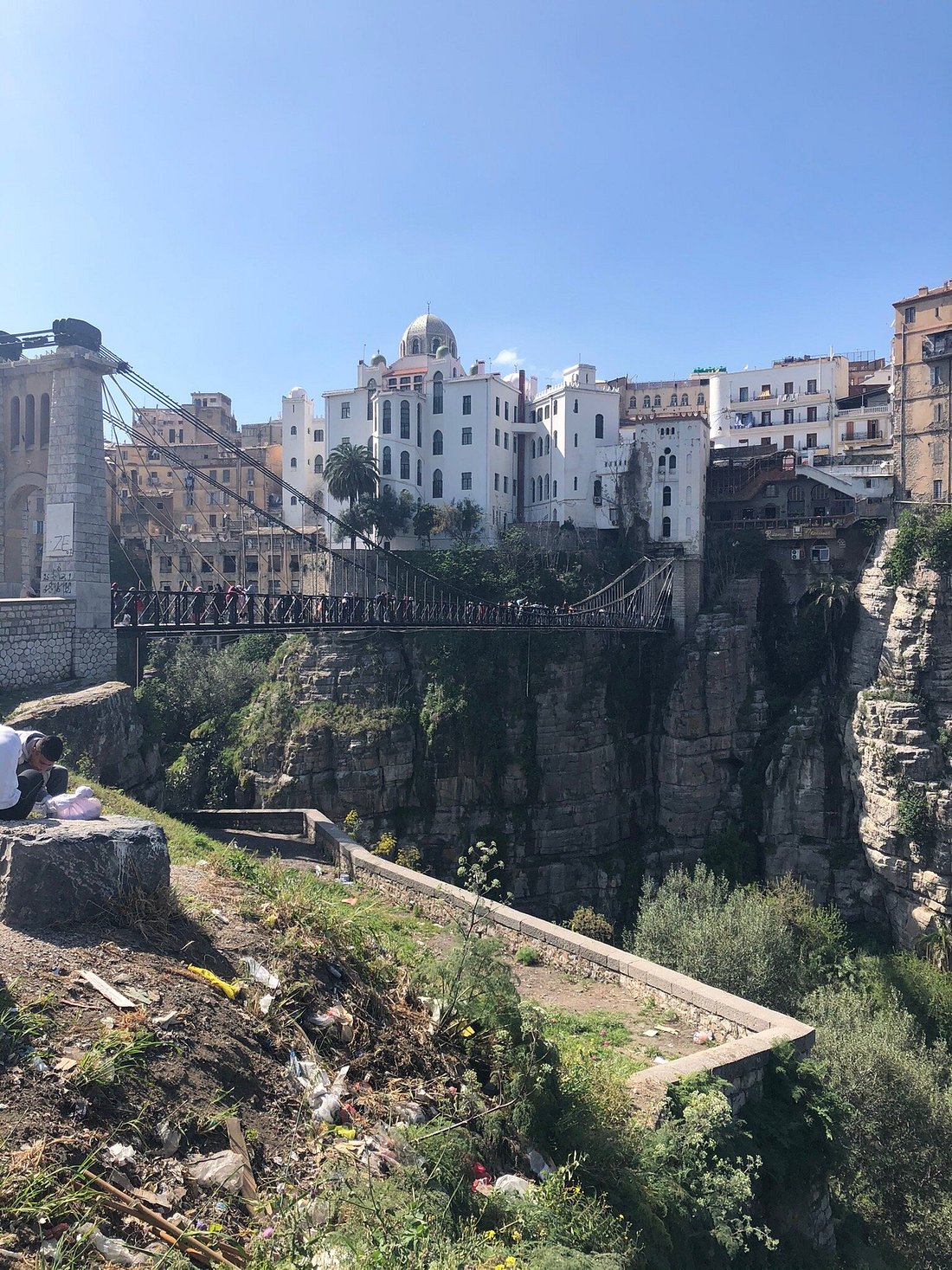 Image source: tripadvisor.com
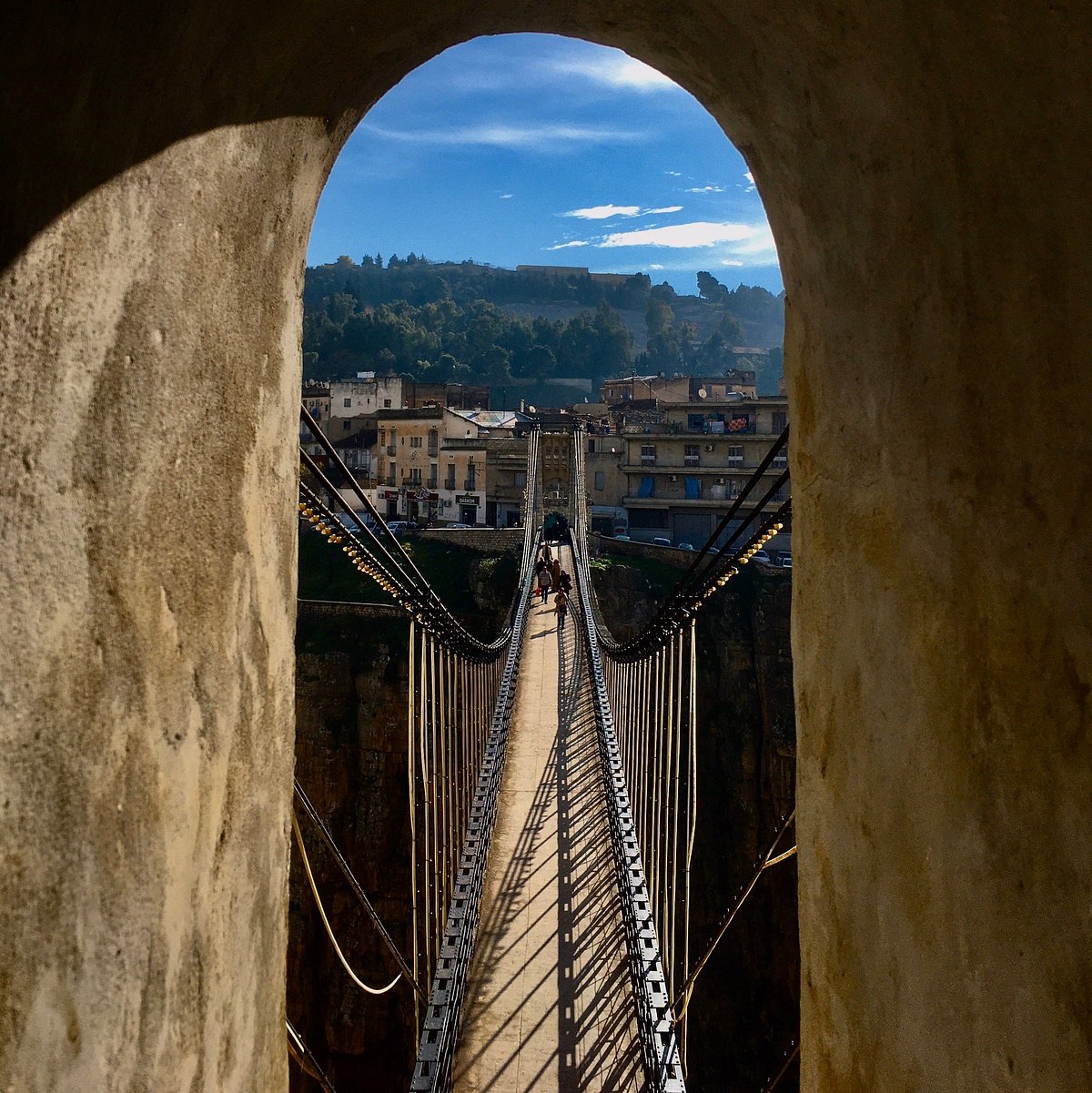 Image source: tripadvisor.com
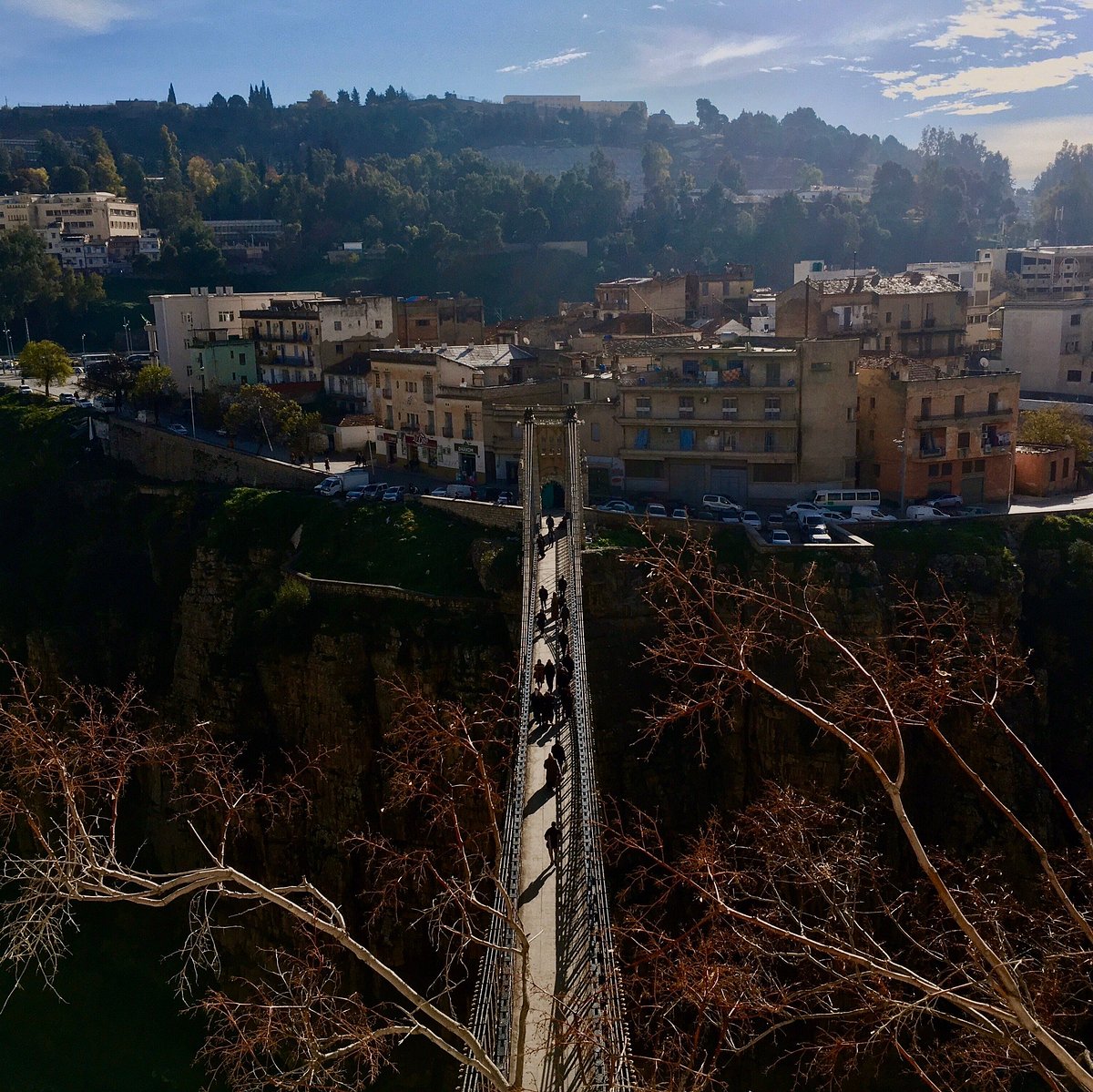 Image source: tripadvisor.com
The Bridges and Cultural Significance
Being infrastructural, the hanging bridges are emblematic of the identity of Constantine. They feature in local stories, songs, and everyday life, reflecting the deep level of cultural connection that exists between people and these constructions. These bridges have been celebrated as a distinctive element of city heritage.
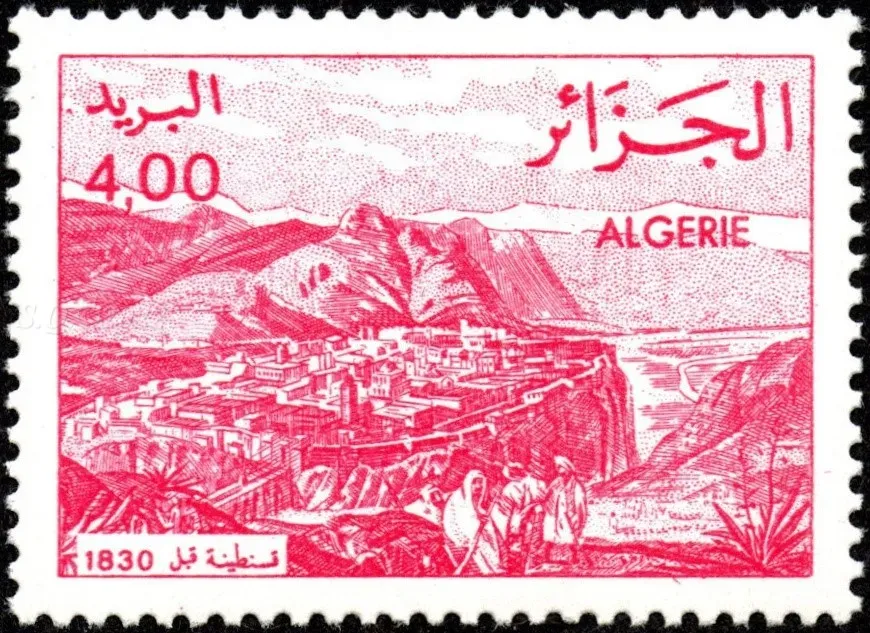
It is not only the land that these bridges connect, but also communities and their respective histories. Locals frequently organize festivals and events to celebrate the hanging bridges. They highly value these occasions. Anecdotes from the residents depict the emotional attachment to these bridges since they are the people of Constantine’s pride.
Why Tourists Find Constantine So Captivating
Tourists are drawn by the hanging bridges in Constantine. That city offers a range of breathtaking views, laden history, and a mixture of natural and human-made wonders. The walk across Sidi M’Cid Bridge offers one of the most spectacular perspective views of this city, while another spectacular view is taken when crossing the ravine by cable car.
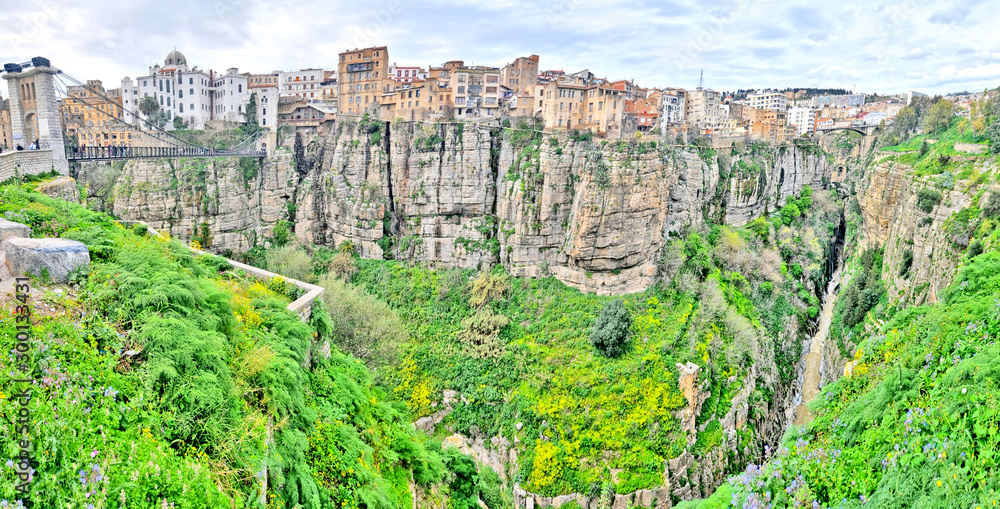
They also organize conducted tours for tourists, which enable them to explain the history and significance of each bridge. A blend of ancient history and modern city life-one finds in Constantine appealing. From dramatic landscape views to impressive bridges, it has left a strong memory among every visitor.
Conclusion
The hanging bridges are one of the most important tourist attractions in Constantine, since they combine the wonder of nature with that of human work. The bridges are part of the soul of the city, expressing its unity, strength, and cultural pride.
But if you will have a chance, by all means, look at the views of Constantine with the vibrant cultural atmosphere. How often can we stand above history, culture, and breathtaking landscapes? That is what Constantine will offer-a place where one could feel the pulse of history beneath his feet.
Also read,