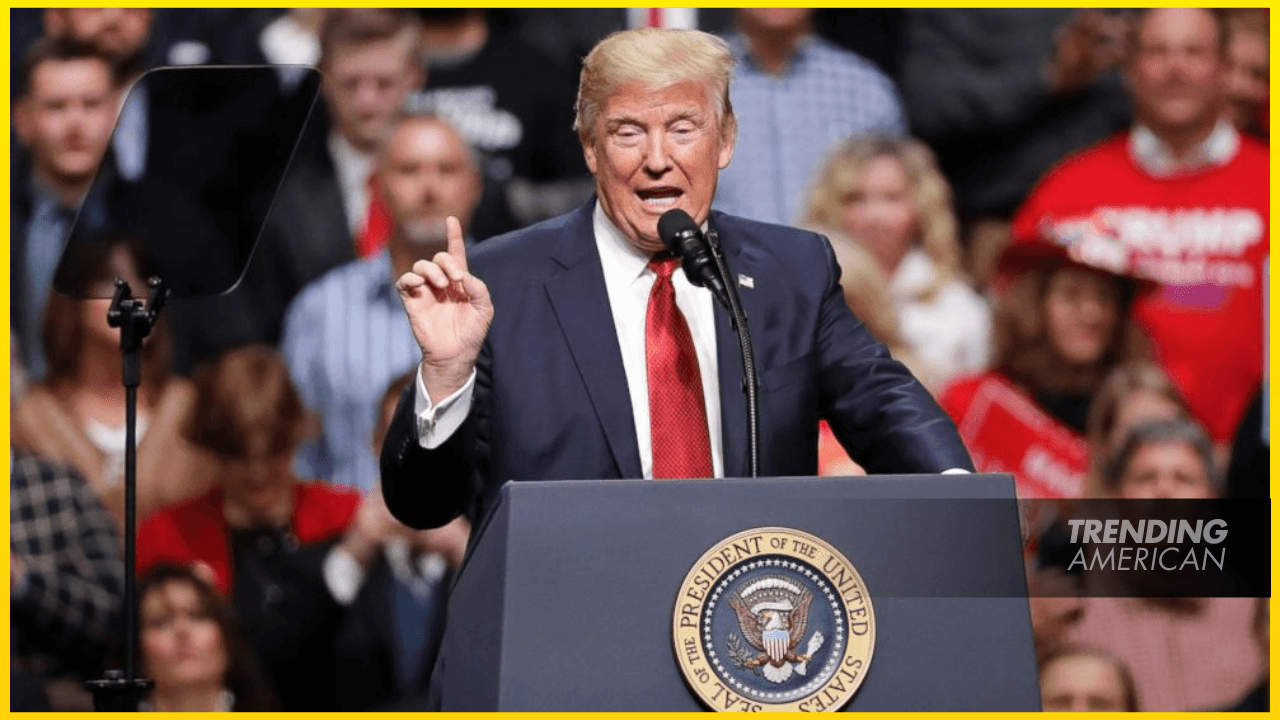
A Trump rally in Mount Pocono, Pennsylvania on December 9, 2025 drew attention for an unexpected guest in the audience: Third Circuit Court of Appeals Judge Emil Bove. He attended as a spectator at Mount Airy Casino Resort, and while reports indicate he did not address the crowd or publicly speak in support of any candidate, his presence at a highly partisan political event prompted an ethics complaint from Gabe Roth of Save The Court. The complaint argues that Bove’s attendance created an appearance of impropriety and may constitute political activity, potentially violating rules that federal judges must follow to preserve public confidence in judicial neutrality.
The New York Times later reported that Bove’s recent career path—moving from a role as a personal attorney for Donald Trump to a high-ranking federal judge—has drawn additional scrutiny, as commentators weigh how past affiliations might influence perceptions of impartiality. In response, Third Circuit Chief Judge Michael A. Chagares said he will decide whether to dismiss the complaint or appoint a committee to investigate further, a step that could lead to formal censure or other sanctions if proven.
Gabe Roth, the organizer behind Save The Court, described the episode as a stark example of ethical boundaries being tested, stating that attendance at a partisan political event by a sitting judge “undermines public confidence in the judiciary.” Critics of the decision pointed to the longstanding principle that judges should avoid appearances of partiality, while supporters argued that judges may participate in public life without compromising their duties so long as they do not speak from the bench or publicly advocate for a political position.
The debate comes amid broader scrutiny of judicial conduct at political events. The Third Circuit’s leadership faces the delicate task of balancing public accountability with the responsibilities of an independent judiciary. If Chagares orders an investigation, Bove could face consequences ranging from formal admonishment to temporary reassignment restrictions, depending on the findings and the rules at issue.
This developing story has been covered by multiple outlets, including the Times and Court House News, which have highlighted the complexities of judging the line between civic participation and official neutrality. Readers are encouraged to follow updates as the Third Circuit weighs its next steps and potential disciplinary actions.
Disclosure: We may earn a commission when you make a purchase through the ads.