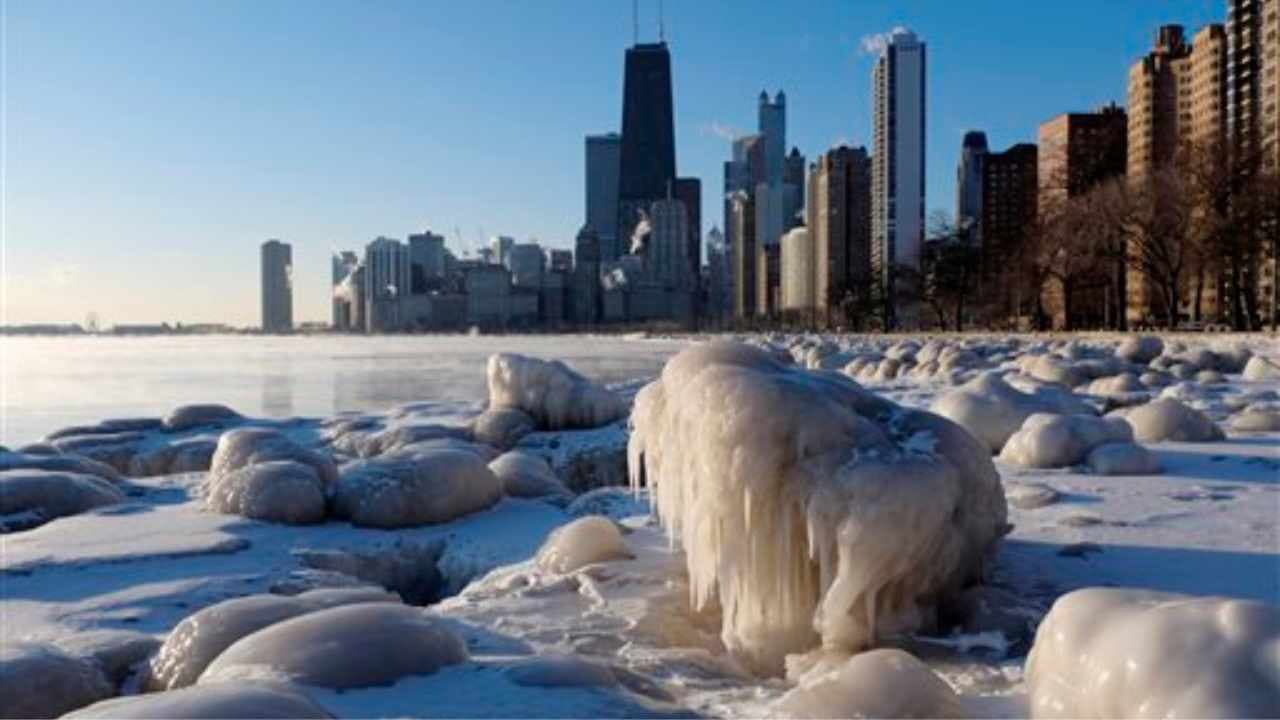
In a rare meteorological event, the United States is bracing for record-breaking cold temperatures, predicted to plunge as much as 50 degrees below normal in certain regions. This dramatic shift is due to an Arctic air mass pushing its way down into the continental United States, interacting with a strengthening storm system. The impact is expected to be widespread, affecting over 60 million people across the country, from the plains to the mid-Atlantic coast.
As the Arctic chill descends, the Northern Plains will see wind chills of 30 to 60 degrees below zero, posing severe risks of frostbite within minutes of exposure. This cold snap will not only engulf areas traditionally accustomed to harsh winters but will stretch far south, hitting states like Texas and Arkansas with below-zero wind chills. Even parts of Tennessee and Kentucky will not be spared, with single-digit wind chills expected by week’s end.
The immediate societal impact is significant; schools are shutting down, roads are becoming hazardous, and the energy grid is under strain as people seek to keep their homes warm, highlighting the economic and logistical challenges posed by such extreme weather. In addition, the ongoing recovery from recent flooding in Kentucky and surrounding areas is likely to be severely hampered, as communities grapple with frozen landscapes amid ongoing clean-up efforts from this dual calamity.
This chilling event raises questions about weather patterns and climate anomalies. Are such extreme cold snaps indicators of shifting climate dynamics? Could they be increasing in frequency or severity due to broader climate changes? Despite the bone-chilling reality, America’s infrastructure resilience and the response from both local and national entities will be put to the test. The unfolding situation offers insights into the preparedness measures and adaptability required in the face of increasingly unpredictable weather phenomena.
As temperatures continue to drop and winter tightens its grip, experts and meteorologists remind citizens to take necessary precautions, limit outdoor activities, and heed warnings as they brace for a dramatic and potentially dangerous cold spell. The narrative is a stark reminder of nature’s power and the need for communities to adapt and prepare in order to weather such extremities.