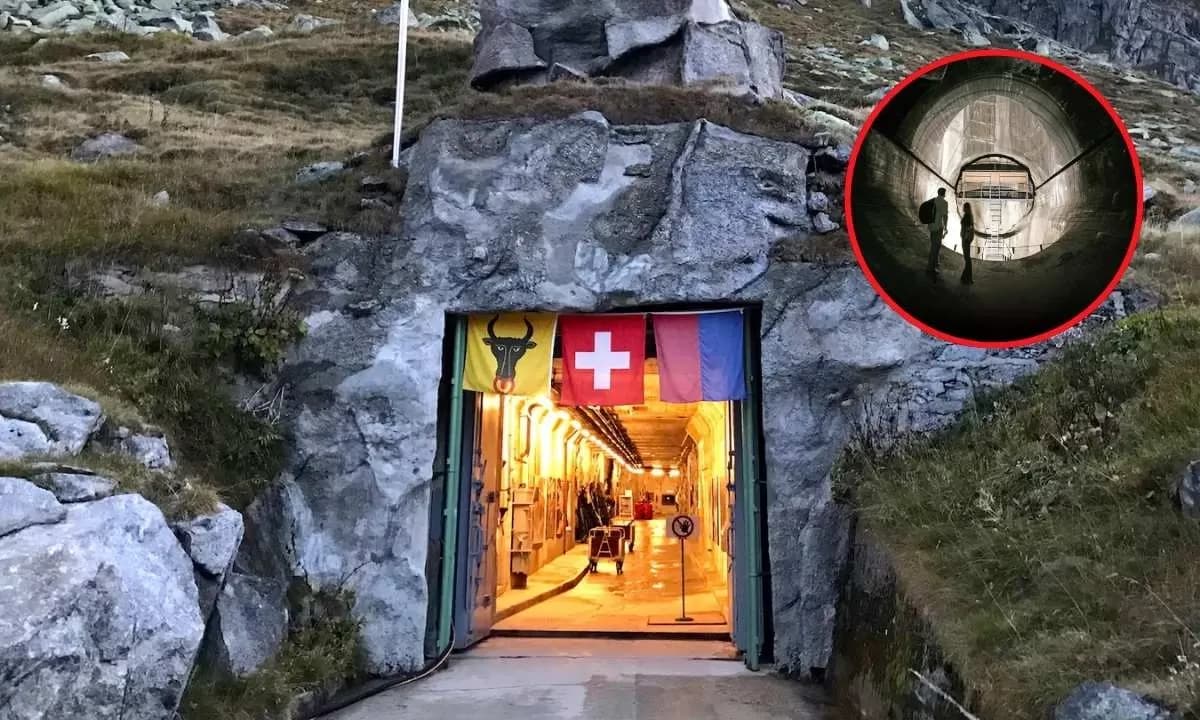
In Switzerland, a country renowned for its neutrality and stunning landscapes, lies an astonishing secret underground. With more than 370,000 bunkers, the Swiss government has created a safety net for its entire population, ensuring that every resident has a place to seek refuge during emergencies, be it a war or a natural disaster. This is a feat unmatched by any other nation in the world.
The roots of this extensive network date back to World War II, a time when Switzerland, though neutral, faced threats from surrounding Axis forces. Fearful of the devastation that modern warfare could unleash, Swiss officials began a civil defense policy that would evolve into the vast bunker system we see today. This commitment to public safety was codified in legislation introduced in 1962, mandating that every new building include access to a shelter.
Each Swiss citizen is entitled to one square meter of bunker space, a right that highlights the country’s dedication to protecting its people. This means that homes, schools, and public buildings are all equipped with fortified shelters. While many bunkers serve as secure hideaways during potential crises, they have found a second life in peacetime.
When Russia dropped its first bombs over Kyiv in February 2022, Zora Schelbert, who works at the Sonnenberg nuclear bunker in Lucerne, Switzerland, suddenly found herself overwhelmed with questions. People asked her where they could find their nearest shelter, what steps to take, and how to prepare.
But Schelbert wasn’t part of Switzerland’s civil defense force — she was simply running tours of a Cold War-era bunker that had turned into a museum. Yet the confusion made one thing clear: people were scared, and Switzerland’s underground shelter system, once considered outdated by some, was suddenly on everyone’s mind again.
Switzerland is unlike any other country when it comes to civil protection. With a population of nearly 9 million, the country has around 370,000 bunkers, offering shelter space for 107% of the population. That includes over 360,000 private shelters and about 9,000 public ones. No other country in the world has made such a commitment. Not even countries like Germany or Norway — both of which are now beginning to invest in civilian shelters again — have reached this level of preparedness.
This unique system was born from Switzerland’s strict law passed in 1963, requiring all new buildings to either include a bunker or contribute to a public one. That law came after the Cold War made the threat of nuclear war seem all too real. Swiss policy guaranteed that every person — including refugees and foreign workers — has an assigned space in a bunker, measuring at least one square meter per person. These bunkers weren’t optional, and they weren’t symbolic. They were built to function, tested regularly, and still maintained today.
The idea of hiding underground during a disaster isn’t new in Swiss history. In the early 1940s, surrounded by Nazi-controlled countries, Switzerland built the National Redoubt — a network of military fortifications in the Alps — ready to resist invasion. The Swiss Army could retreat into the mountains, taking supplies and leadership underground if needed. It was never used, but the idea of protection under the mountains stuck. Bunkers became part of the national mindset, not just for soldiers but for civilians, too.
The most famous civilian shelter is the Sonnenberg bunker in Lucerne, once capable of housing 20,000 people beneath a four-lane highway tunnel. Reinforced concrete doors, each weighing 350 tons, could close off the tunnel to create a massive underground shelter. It had kitchens, dry toilets, a hospital, and storage for 450 tonnes of supplies. But a real-life test in 1987 proved difficult. Workers couldn’t fully close one of the doors, and the plan to convert the highway into a shelter within two weeks fell short. The government later reduced the shelter’s capacity to 2,000 people and turned it into a museum.
Today, that museum welcomes curious tourists, schoolchildren, and even skeptics. During one tour, a father admitted he didn’t even know where his designated shelter was. His family lives in an old building without a bunker, and his son was only interested after a school field trip. Visitors saw rows of green mesh bunk beds, communal toilets, and air-tight blast doors — a view into what life would look like underground during a crisis.
The Sonnenberg bunker is not an outlier. Across Switzerland, residential shelters often look like regular basements, filled with ski gear, old electronics, and Christmas decorations. But behind those cluttered spaces are thick concrete walls and blast doors. If disaster strikes, people are expected to clear them out and convert them back into life-saving shelters within five days. Authorities regularly inspect these private shelters. If they’re not up to code, owners face fines or must pay into the public system — about 800 Swiss francs per person.
In 2023, the Swiss government allocated 220 million francs to upgrade its bunker system over 15 years. This includes replacing aging ventilation systems, which are vital for filtering out radioactive particles or chemical agents. Around 100,000 small shelters with outdated systems are being phased out, while larger, more modern public shelters are being prioritized.
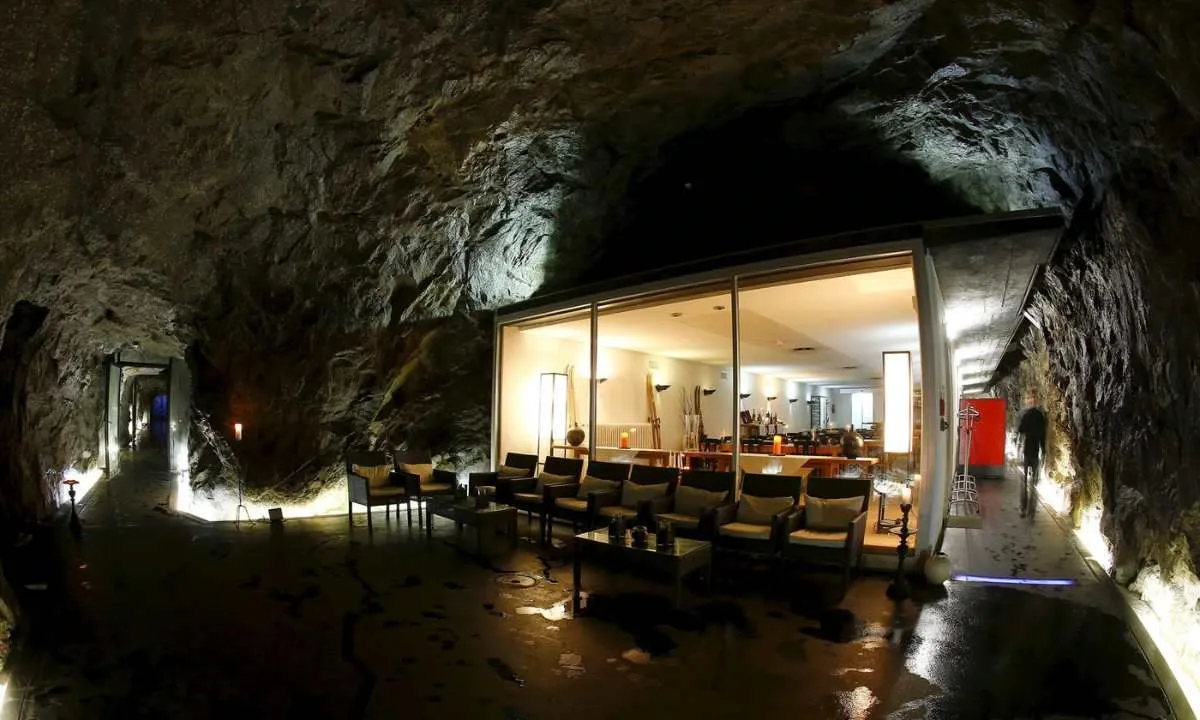
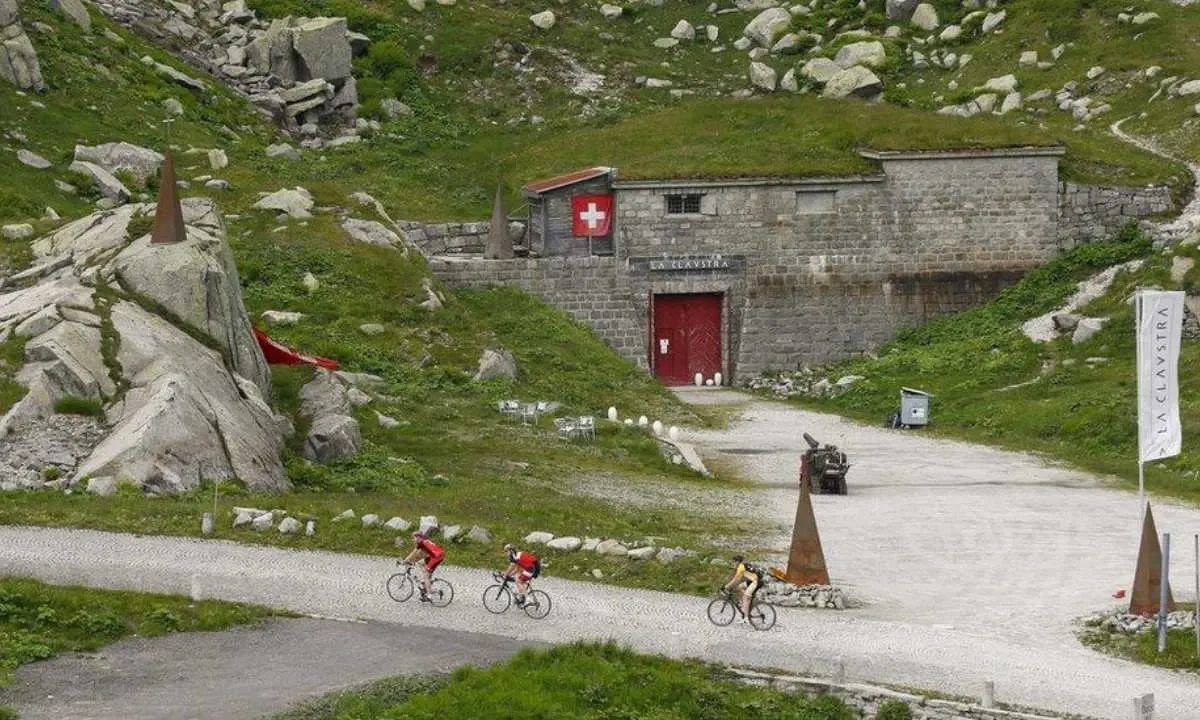
These shelters are more than just relics of Cold War paranoia. They’ve been used as temporary housing for asylum seekers, storage rooms, band rehearsal spaces, cheese-aging cellars, mushroom farms, and even data centers. Some were converted into concert halls, luxury hotels, and churches. In one bunker, survival food tins from the 1960s still sit on shelves — unopened, with no expiry date in sight.
People like Anna Meier, a local from Lucerne, have transformed their bunker into a cozy retreat.
‘We hold our family gatherings here. It’s my wine cellar and a safe space where we can be together, no matter what happens outside.’
she said with a warm smile.
Young couples host dinner parties surrounded by fortified walls, while children find adventure in these sprawling underground mazes. A group of teenagers recently reported that their town’s bunker, once a symbol of fear, has become a popular hangout spot.
‘We bring our games down here; it feels almost like our secret club. The bunkers’ dual purpose makes them a unique aspect of modern Swiss culture.’
said one teen.
Yet not everyone agrees on their value. Some critics argue that nuclear war isn’t survivable. One Norwegian visitor to Sonnenberg remarked, “If the Swiss go underground for two weeks, when they come back out, still they won’t be able to live.” Others believe the money could be better spent elsewhere, like on diplomacy or renewable energy. But for many in Switzerland, the bunkers are not just about survival — they’re about identity. As one civil protection officer put it, “It’s in our DNA.”
The legacy of Switzerland’s shelter system is deeply tied to its ideas of neutrality, independence, and preparedness. During World War II, Switzerland took steps to destroy its own infrastructure if it risked falling into enemy hands. That mindset continued during the Cold War, when the country even explored developing its own nuclear weapons. Although that plan was dropped, the focus remained on protecting civilians through engineering.
Even now, as some countries hesitate to invest in civilian defense, Switzerland stands apart. The system is built not out of fear, but out of foresight. Officials emphasize: this isn’t panic, it’s planning. Swiss authorities often remind people of a simple Latin saying: “If you want peace, prepare for war.”
In a world of rising tensions, Switzerland’s bunkers may seem strange or excessive — until they’re needed. Behind every heavy blast door lies more than just food, water, and oxygen filters. There’s a story of a country that never forgot how quickly peace can disappear, and that chose to carve its protection deep into the mountains and minds of its people.