Stephen Hawking later described a moment in 1985 when doctors in Switzerland suggested ending his ventilator support. His wife Jane refused and arranged for him to return to Cambridge for further care.
He survived the pneumonia crisis and underwent a tracheostomy. The operation changed how he communicated and led to another stage of his life with extensive medical and personal support.
He described the decision in his own words
In a speech preserved by his estate, Hawking recalled becoming ill while visiting CERN in Switzerland. He was taken to Lucerne Cantonal Hospital and placed on a ventilator.
He said doctors suggested to Jane that the support be withdrawn. She declined and had him flown by air ambulance to Addenbrooke's Hospital in Cambridge.
His account described both Jane's decision and the medical transfer that followed.
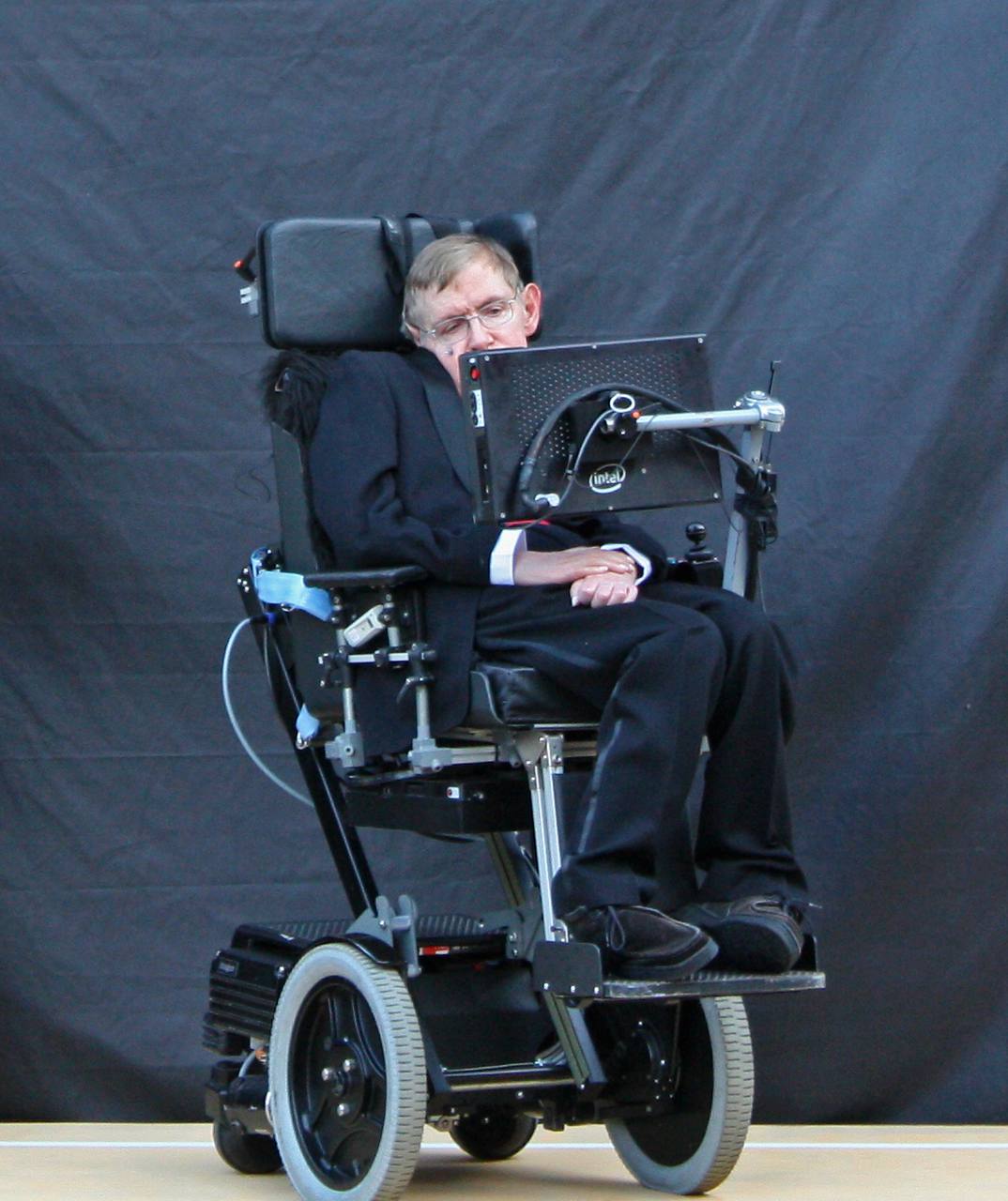
Stephen Hawking at the unveiling of the Corpus Clock in Cambridge. Archival event portrait. Photo: Tanya Hart, CC BY-SA 2.0. Resized; JPEG conversion. Image adaptation shared under the same CC BY-SA 2.0 license.

Surgery and communication support followed
The estate's biography describes the tracheostomy that helped save his life and the loss of his natural speaking voice afterward.
He initially communicated through other people's assistance, then used computer-based systems and synthesized speech. Those tools became familiar to audiences who encountered his later writing, lectures and interviews.
In an account of living with disability, Hawking also described the nurses, helpers and funding that made round-the-clock care possible after 1985.
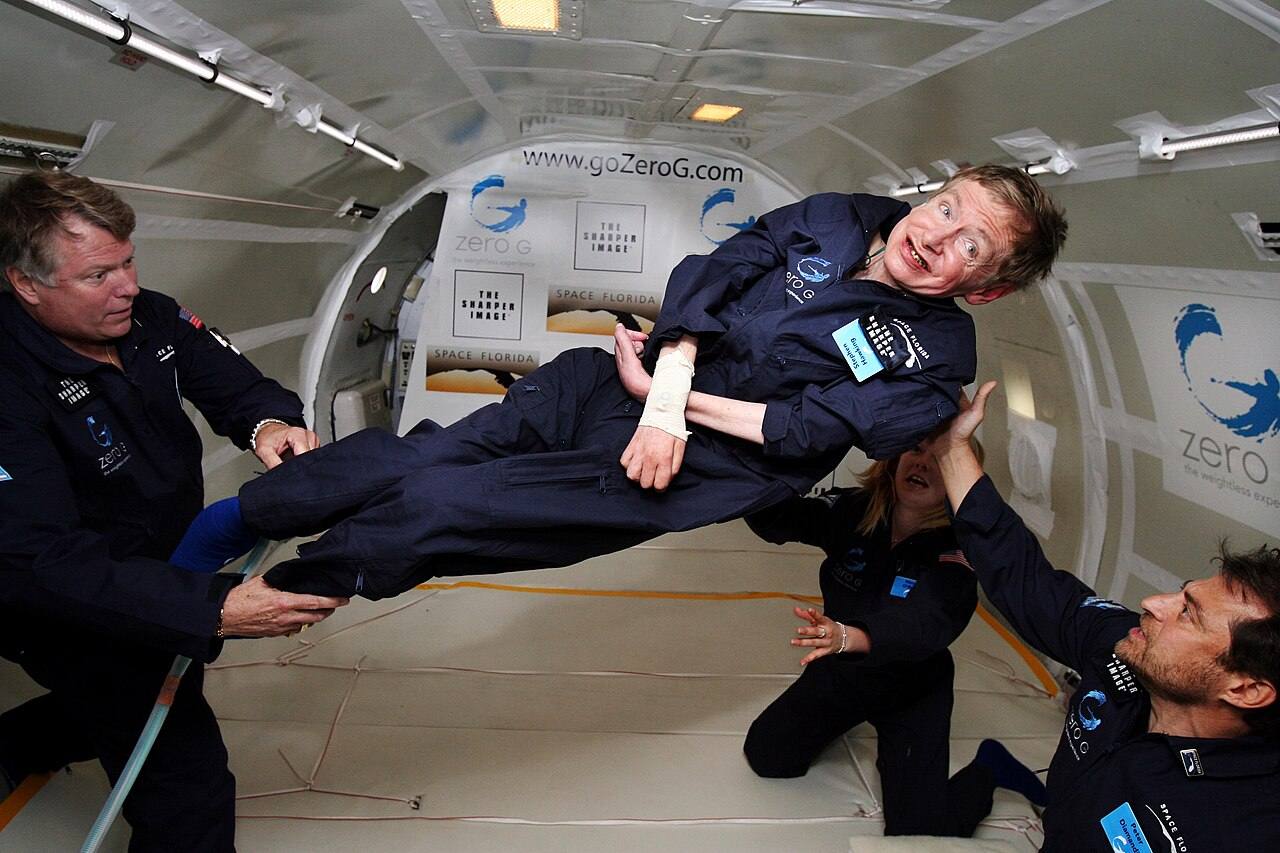
Stephen Hawking during a zero-gravity flight in 2007. Archival photograph, not his 1985 treatment. Photo: Jim Campbell/Aero-News Network, CC BY 3.0. Resized; JPEG conversion.

His later life depended on a network of care
The Royal Society's biographical memoir places the illness within his scientific and family life. Hawking lived until 2018, continuing research and reaching a wider public through books and other work.
Jane's decision was an important part of his account. It should be remembered alongside the air transfer, surgery, nursing, communication technology and continuing assistance that followed.
Further treatment was followed by sustained medical and practical support, through which he continued his life and work.
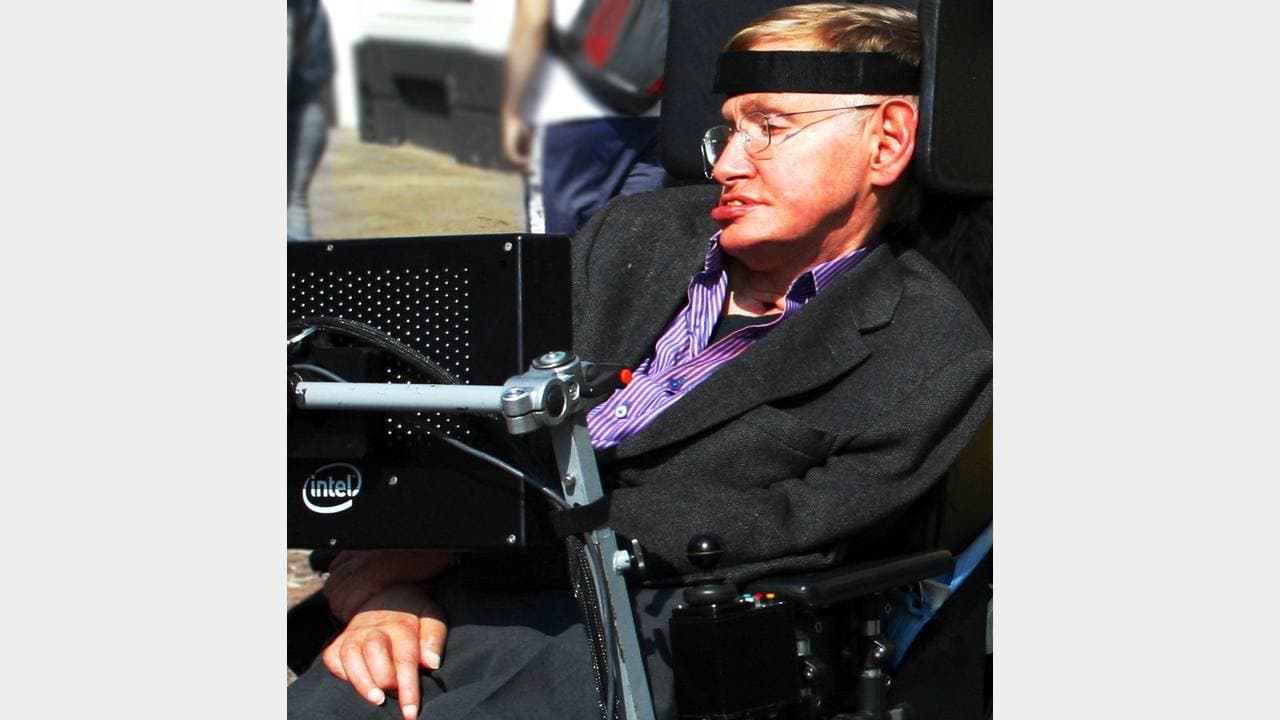
Featured image: Stephen Hawking photographed in Cambridge. Archival portrait, not the 1985 hospital episode. Photo: Photographer: Doug Wheller, cropped and tweaked by W.carter, CC BY 2.0. Resized and fitted to a 16:9 canvas.
