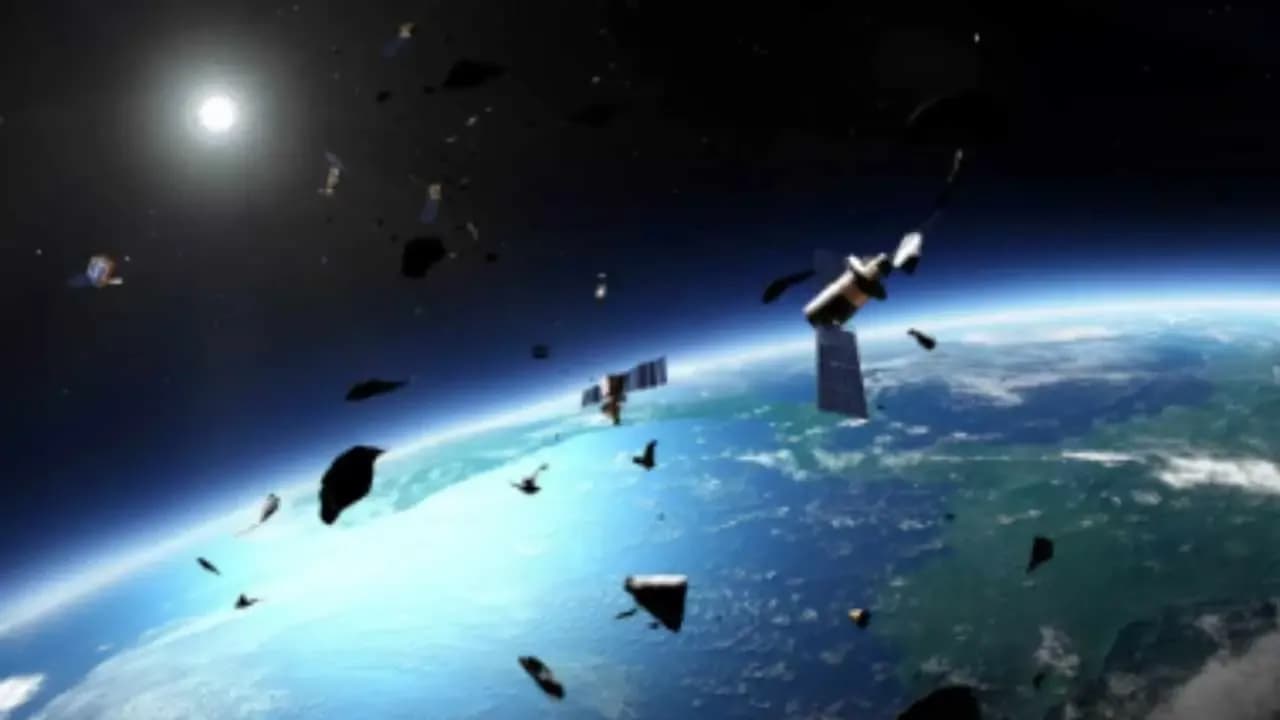
Imagine a world where the internet, GPS, and even cell phone signals disappear overnight—not because of a natural disaster, but due to an invisible crisis looming above our heads. Space junk, a growing problem in Earth’s orbit, threatens to cut off the essential satellite systems that power modern life. Experts warn that this isn’t a far-off possibility but an immediate and escalating risk.
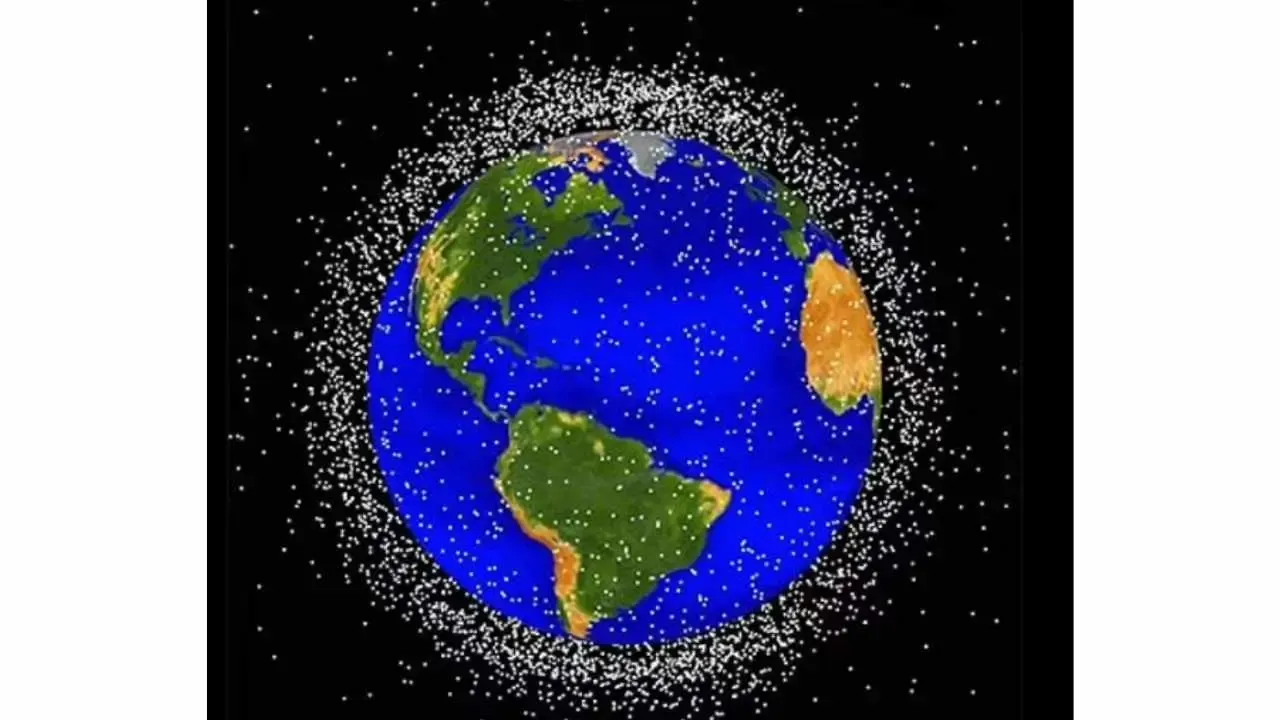
Image Source : Space.com
The urgency of this threat became clear recently when a Russian satellite exploded in orbit, generating over 1,800 large fragments of debris and countless smaller ones. The incident forced astronauts aboard the International Space Station (ISS) to take emergency shelter as the debris field passed dangerously close. This event underscored how quickly an orbital disaster could escalate, putting not just astronauts but also critical infrastructure at risk.

The Growing Threat of Space Junk
Space junk, or orbital debris, consists of defunct satellites, fragments from collisions, and remnants of rocket launches. Traveling at speeds of up to 28,000 kilometers per hour, even a small fragment can cause catastrophic damage to operational satellites. According to NASA and the European Space Agency (ESA), low Earth orbit (LEO) is so congested that it faces an average of 1,000 collision warnings daily.
The sheer volume of space junk is staggering. With over 130 million fragments now in orbit, the potential for a chain reaction of collisions—known as the Kessler Syndrome—is increasing. In this scenario, debris from one collision creates more fragments, leading to an uncontrollable cascade that could render certain orbits unusable for decades.
How Space Junk Threatens Internet Connectivity
Many of the satellites in LEO are integral to providing internet connectivity and navigation services. A collision involving these satellites could disrupt global communications, leading to widespread outages. Recent incidents like the Russian satellite explosion highlight the fragility of these systems and the dangers posed by even a single collision.
Kessler Syndrome could escalate the situation further, trapping vital satellites in a dense cloud of debris and cutting off critical services like the internet, GPS, and global communications infrastructure.
Efforts to Combat the Crisis
Organizations like NASA and ESA are spearheading efforts to mitigate the risks posed by space debris. These include developing technologies to capture and remove debris, such as nets and robotic arms, and advocating for stricter guidelines for satellite launches. Companies like SpaceX are also stepping up, incorporating debris-reduction features in their satellites to ensure they de-orbit safely at the end of their operational lives.
The United Nations has called for global cooperation to tackle the crisis, emphasizing the need for “Zero Debris” missions. While promising, these efforts require immediate scaling to match the urgency of the problem.
The Consequences of Inaction
If space debris continues to grow unchecked, the consequences could be severe. Global internet disruptions could cripple businesses, delay emergency services, and disconnect billions from critical communication networks. In the long term, overcrowded orbits might render future space exploration and satellite launches nearly impossible.
Why This Crisis Demands Urgent Attention
Space junk is no longer just an astronomical curiosity—it’s a pressing issue that threatens the technology we depend on for daily life. The recent Russian satellite explosion serves as a stark reminder of how precarious our orbital environment has become. Without swift and coordinated action, the digital infrastructure that connects the world could come crashing down, leaving us to grapple with the fallout of an avoidable disaster.