
Song Xingyu wanted to ride a machine like the Green Goblin's glider in Spider-Man. In October 2026, the Chinese creator known as Amazing Ayu shared footage of himself riding an experimental flying board.
The project attracted attention because it carried a standing rider. It also came after years of model-building, failed tests and work in a home workshop.
Featured photograph: Archival location photograph: the Yangtze River, not Song Xingyu's flying-board demonstration.
Photo: Andrew Hitchcock, via Wikimedia Commons, CC BY 2.0. Photograph reproduced without editorial alteration.

An interest built from limited materials
Shanghai Daily's account traced Song's interest to his childhood in Badong County, Hubei.
He began making aircraft models using materials he could obtain, including foam-board offcuts and secondhand electronics. Early attempts did not immediately work.
Later, he developed a workshop and shared increasingly ambitious projects online. The flying board grew from that background of experimenting and learning, rather than appearing as a finished commercial aircraft.
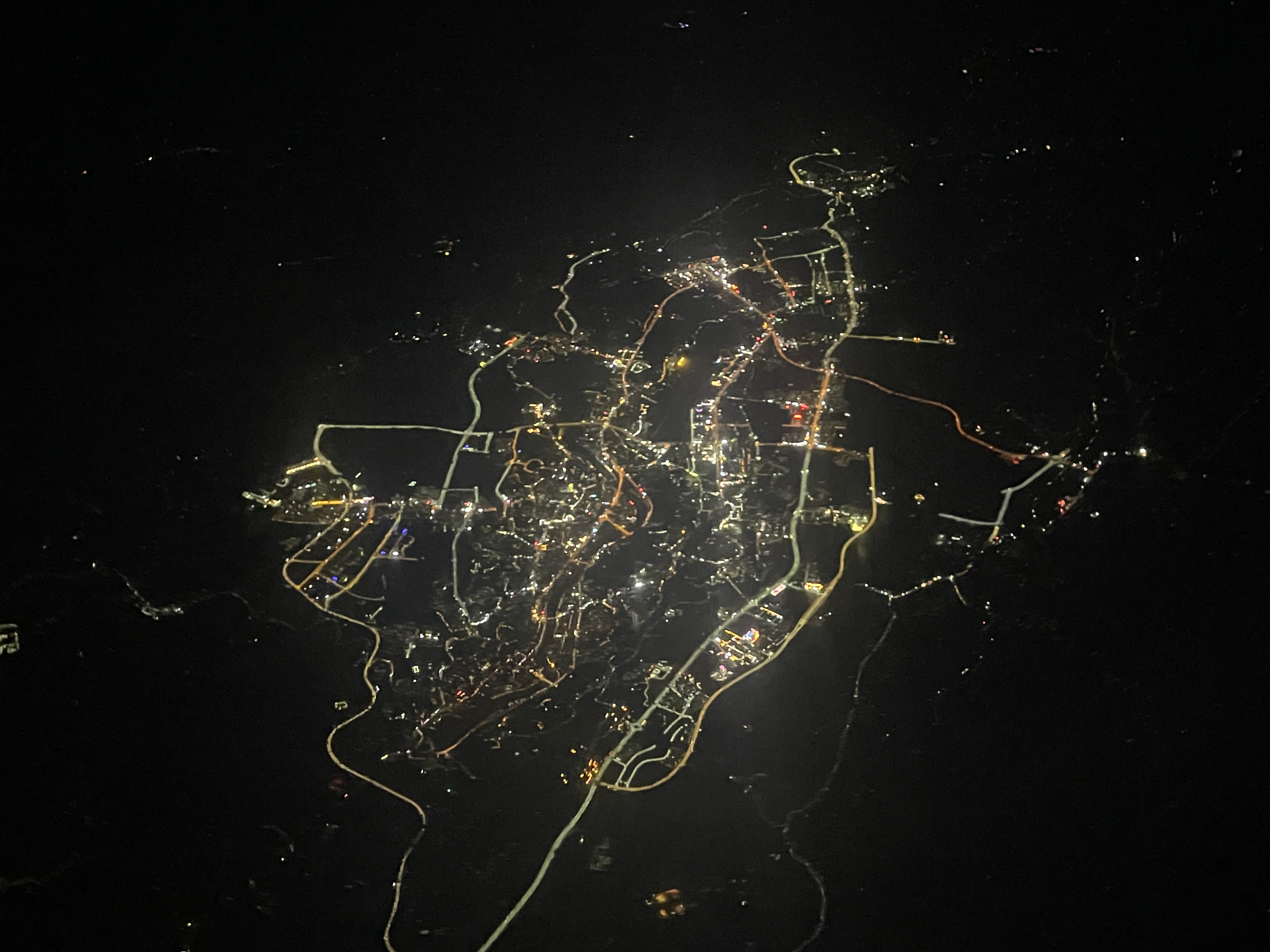
Photo: MNXANL, via Wikimedia Commons, CC BY-SA 4.0. Photograph reproduced without editorial alteration.

A prototype went through changes
The South China Morning Post reported on the 26-year-old inventor and footage released on October 15.
Reporting describes a jet-powered attempt that caught fire, followed by an electric version. Song also had to practice balancing and controlling the board.
Those accounts establish what was reported and demonstrated publicly. They do not provide independent certification of flight endurance, reliability or passenger safety.
An experiment, not a ready-made way to travel
A licensed footage listing separately documents a later demonstration of a multi-rotor platform in Chongqing.
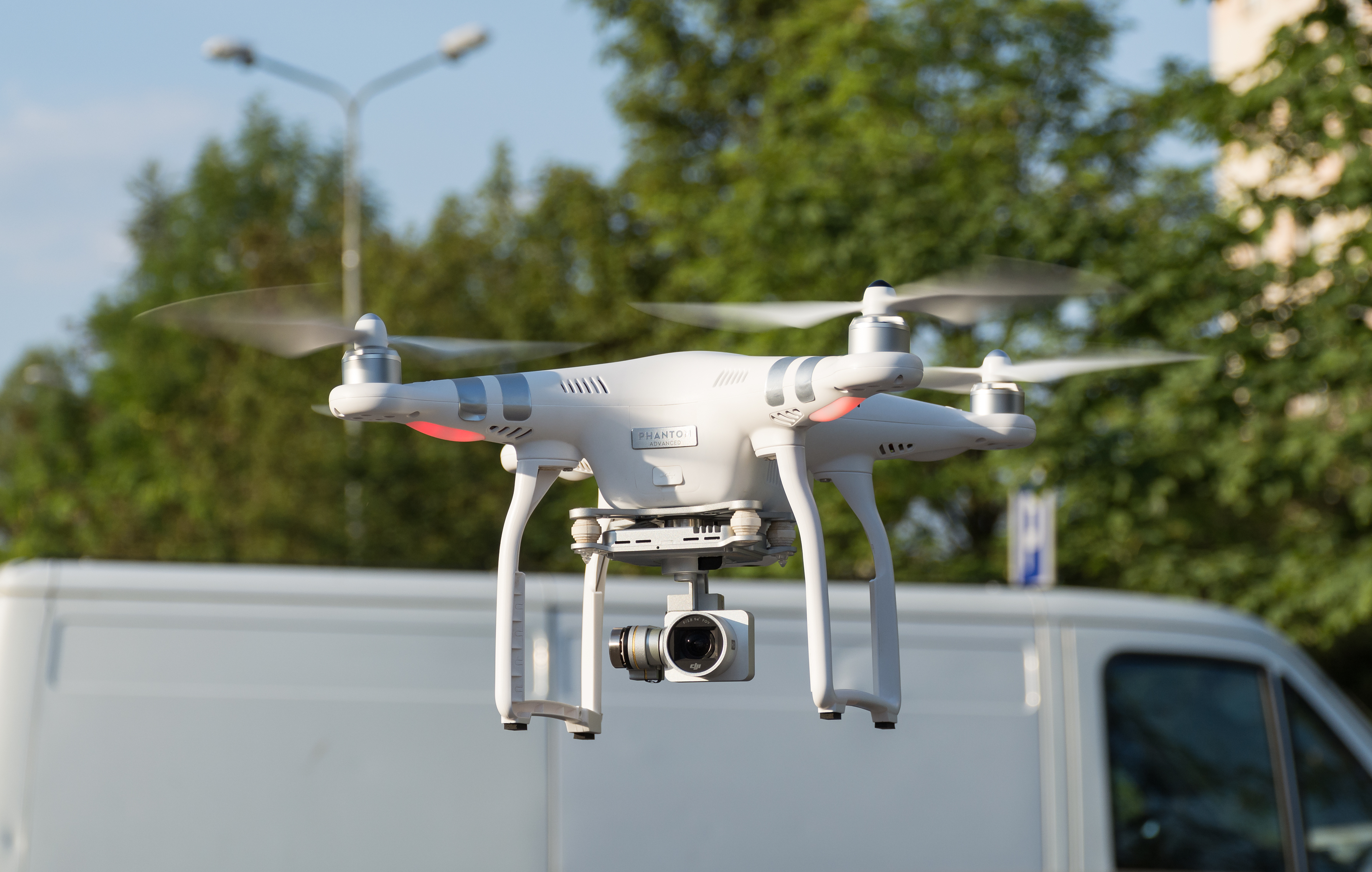
Photo: Jacek Halicki, via Wikimedia Commons, CC BY-SA 4.0. Photograph reproduced without editorial alteration.

The photographs here show regional and technology context, not Song's machine. No claim about the board's capability should be inferred from the illustrative drone.
The human story is a sustained interest in flight becoming a working experiment. The next engineering questions, including dependable performance and safe operation, remain separate from the excitement of seeing a prototype leave the ground.