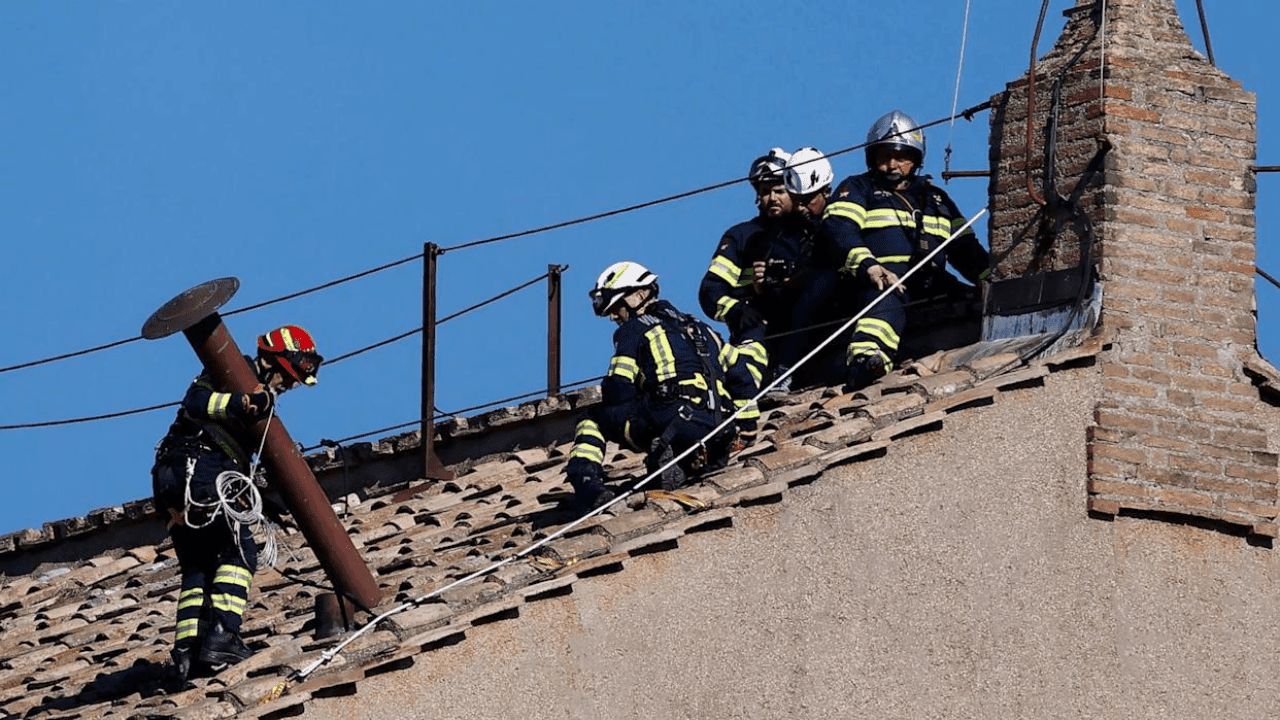
In a moment steeped in tradition and anticipation, the installation of the chimney atop the Sistine Chapel signifies the opening of a new chapter for the Catholic Church. This humble architectural feature transforms into a global beacon, hinting at the progress within the secretive conclave that chooses the next pope. As Vatican firefighters set up the chimney, the Vatican City watches closely, waiting for the signal that will announce a successor to Pope Francis.
The conclave doesn’t just assemble to decide the Church’s future leader it also reignites public curiosity about its intricate processes. Historically, the world has watched in fascination, waiting for the plume of smoke that marks the end of deliberations. This smoke, either black or white, becomes the key indicator of the conclave’s decision. White smoke signifies that a new pope has been chosen, while black smoke means that the voting sessions continue without consensus.
For those unfamiliar with the process, the burning of ballots in the Sistine Chapel is more than a mere ceremonial procedure. It is a ritual laden with symbolism and history. Cardinals gather under Michelangelo’s celebrated frescoes, isolated from the outside world, as they cast votes and search for divine guidance. The ballots, once counted, are then burned in a special furnace, with specific chemicals added to produce smoke.
Potassium perchlorate and anthracene create black smoke when consensus is not reached, while a blend of potassium chlorate, lactose, and chloroform resin is used to create the white smoke that announces a new pope. The process links a centuries-old tradition with modern expectations, illuminating the enigmatic processes of the Church through a simple visual cue.
The installation of the chimney, therefore, marks the formal beginning of the papal election. It is at this moment that the complex machinery of faith, tradition, and governance starts turning. Vatican City’s recent preparations underscore the gravity of this event, as the world anticipates who will rise as the next leader of the Catholic Church. Discussions among cardinals consider the current needs of the Catholic Church and the type of leadership crucial for the coming era.
As history unfolds once more in the heart of Rome, this unique smoke signal transcends religious boundaries, drawing attention from Catholics and curious onlookers alike. Each sight of smoke compels people globally to pause and ponder the weight of this decision, waiting expectantly for the message sent from the hearth of the Sistine Chapel. Whether the next pope will navigate traditional paths or embrace reforms remains to be seen, but it is certain that all eyes will focus on the chimney a simple yet profound messenger of change.