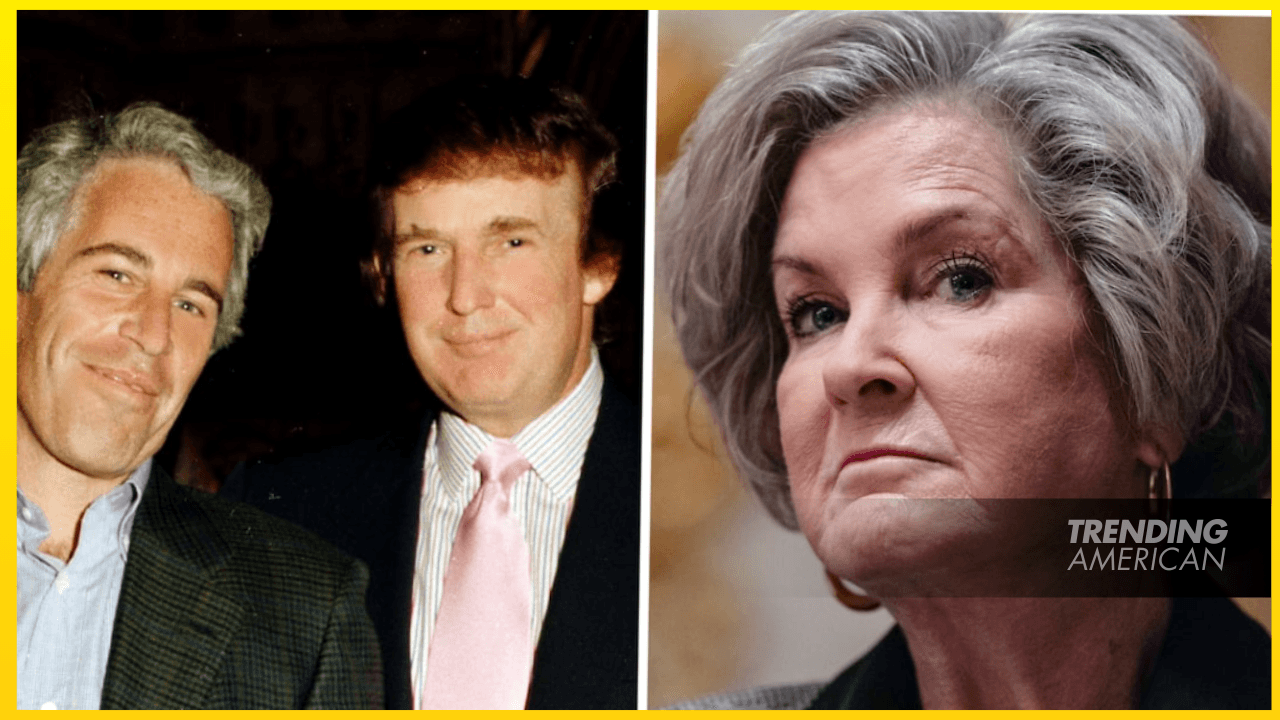
In Washington, D.C., late December 2025 unfolded with a political tension that put Susie Wiles, the White House chief of staff, under the spotlight. Two Democratic senators—Sen. Dick Durbin and Sen. Sheldon Whitehouse—grilled Wiles about her knowledge of the Epstein files and how she came to access them, signaling a renewed insistence on transparency in the handling of decades-old, politically charged documents. The exchange occurred in the context of a broader inquiry into how Epstein-related materials were reviewed, redacted, and potentially released to the public.
The senators sent a formal letter on December 30, 2025, seeking detailed answers about when, where, and under what authority Wiles gained access to Epstein-related materials, as well as what specific documents she described as the Epstein Files. They asked whether she shared any information with President Donald Trump and what role, if any, she played in DOJ/FBI processes related to reviewing, redacting, withholding, or releasing the materials. The letter represents a pointed request for a clear paper trail on internal decision-making surrounding these sensitive materials.
Wiles has described reading targeted material from the Epstein files, a claim that has drawn attention to how close White House aides may have come to evolving disclosures. Vanity Fair has published quotes from Wiles surrounding her interview, and coverage has repeatedly noted the tension between what is read by White House personnel and what the public is allowed to see. The White House, for its part, declined to comment at the time of the reporting, leaving the precise chain of custody and decision-making to be scrutinized by Congress and the press.
The episode sits within a broader media cycle and congressional activity around Epstein-related materials, including related reporting on Wiles and discussions of what the release process should entail. The matter intersects with statements from Senate Judiciary figures and related press materials that underscore calls for transparency about when Epstein files are reviewed and what redaction criteria apply. In this climate, lawmakers hope to establish a more explicit standard for access and disclosure going forward, while the public watches for further developments.