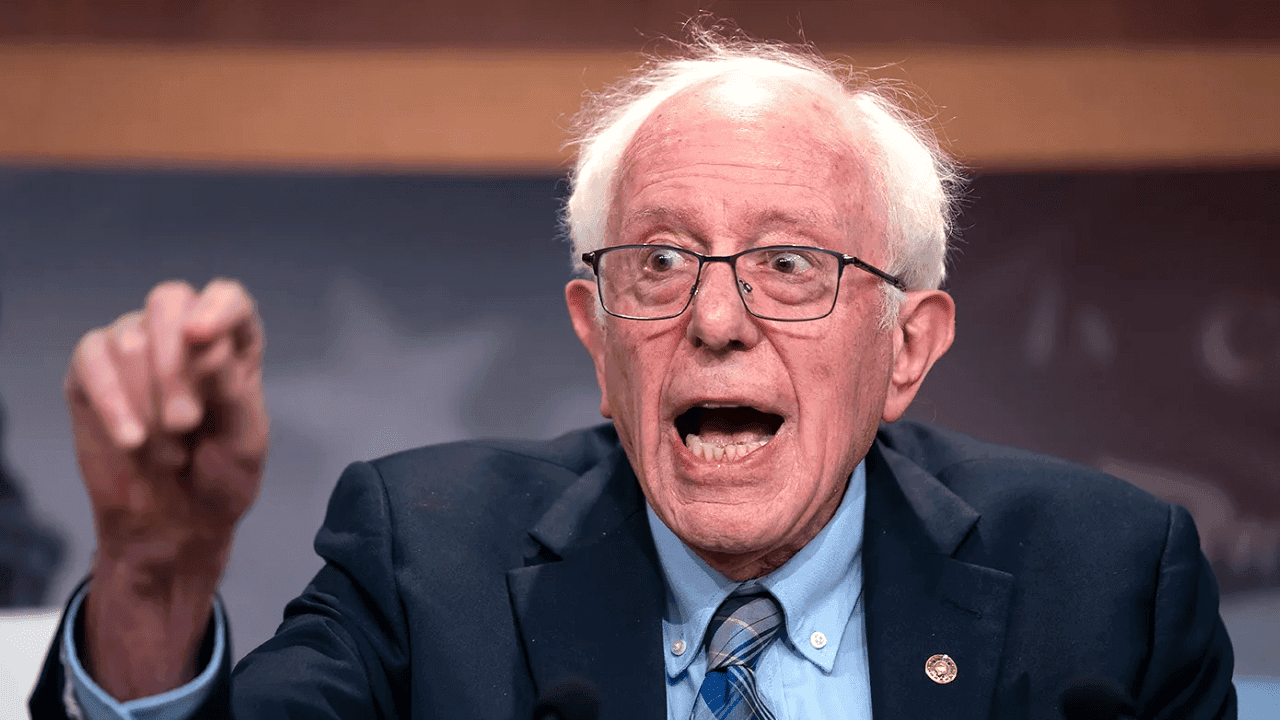
The U.S. Senate has overwhelmingly voted against motions led by Senator Bernie Sanders aimed at blocking arms sales to Israel. This decision was expected due to the Republican majority and the limited number of Democrats opposing the motions. On the floor, Sanders articulated concerns about civilian casualties and humanitarian crises, particularly highlighting the situation in Gaza, where essential supplies remain inaccessible.
Despite growing discussion within the Democratic Party about U.S. aid to Israel, the motion failed by a large margin, with votes at 82 to 15 and 83 to 15 against Sanders’s proposals. Key Democratic figures, such as Senator Jon Ossoff, shifted their stance since previous similar motions, aligning with the “No” votes, presumably influenced by upcoming re-election challenges.
The move by Sanders was viewed as a potential indicator of Democrats’ evolving stance on U.S.-Israel relations under Prime Minister Benjamin Netanyahu’s government. Republican Senator James Risch emphasized the importance of supporting Israel, stating that blocking arms sales would alienate a key ally during critical global times.
The debates couldn’t sidestep the broader geopolitical context. President Trump’s support for Israel included sidestepping the congressional review process to fast-track military supplies, a continuation of the robust U.S.-Israel alliance despite changes in administration.
This decision will likely reverberate through international relations and domestic politics, highlighting divisions within the Democratic Party and the continued bipartisan support for Israel.
Discussion surrounding the measure has brought forth important ideological debates about foreign policy, national security, and humanitarian responsibility, with Sanders highlighting a dire need for aid in regions affected by Israeli military actions. Yet, the prevailing sentiment in the Senate suggests an overarching strategic commitment to maintaining strong bilateral ties with Israel.
Looking forward, this decision underscores the complexity of foreign arms policies and the potential shifts in political alliances and public opinion domestically and abroad. As international dynamics evolve, the intersection of ethics, politics, and security will remain a contentious but pivotal aspect of legislative agendas in Washington.