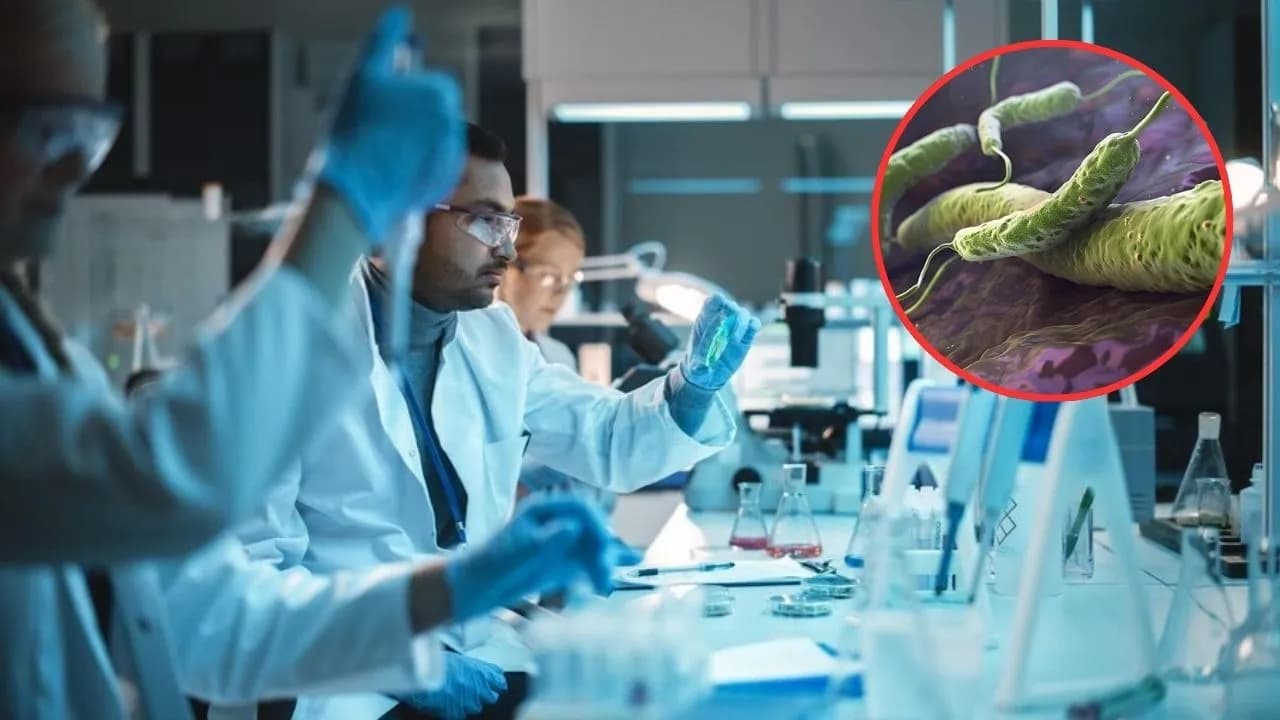
Scientists from nine countries have issued an urgent warning about the dangers of “mirror bacteria,” a new type of lab-made microbe. These synthetic organisms, created with mirror-image molecules not found in nature, could disrupt ecosystems and pose a serious risk to life on Earth.
Mirror bacteria, described by experts as a potential “second tree of life,” operate on a completely different biochemical system compared to natural life forms. Because of this, they could spread uncontrollably, bypassing the natural defenses of living organisms, including humans.
One major concern is their potential impact on the ongoing antibiotic resistance crisis. Scientists warn that mirror bacteria could worsen the problem, which is already expected to cause 10 million deaths per year by 2050.
“This is not just a scientific breakthrough—it’s a potential disaster waiting to happen,” said Dr. James Whitaker, one of the leading researchers. “These organisms could create a biological system we have no tools to control or protect ourselves against.”
The World Health Organization (WHO) is also being urged to step in and conduct a detailed risk assessment. According to scientists, the unchecked development of these organisms could lead to widespread ecological damage or even contribute to scenarios of mass extinction.
Environmentalists are particularly worried that the effects of climate change could make the situation worse. Rising temperatures and shifting ecosystems might create conditions where these synthetic microbes can thrive and spread faster than expected.
As the debate grows, researchers are emphasizing the need for stricter global regulations on synthetic biology.
“We need to be very careful about crossing boundaries we may not be able to undo,” Dr. Whitaker added.
The discovery of mirror bacteria raises important questions about how far humanity should go in the name of innovation. For now, scientists are urging caution, calling on governments and institutions to prioritize safety over progress in this risky area of research.
This development serves as a reminder of the delicate balance between scientific advancement and the need to protect our planet.