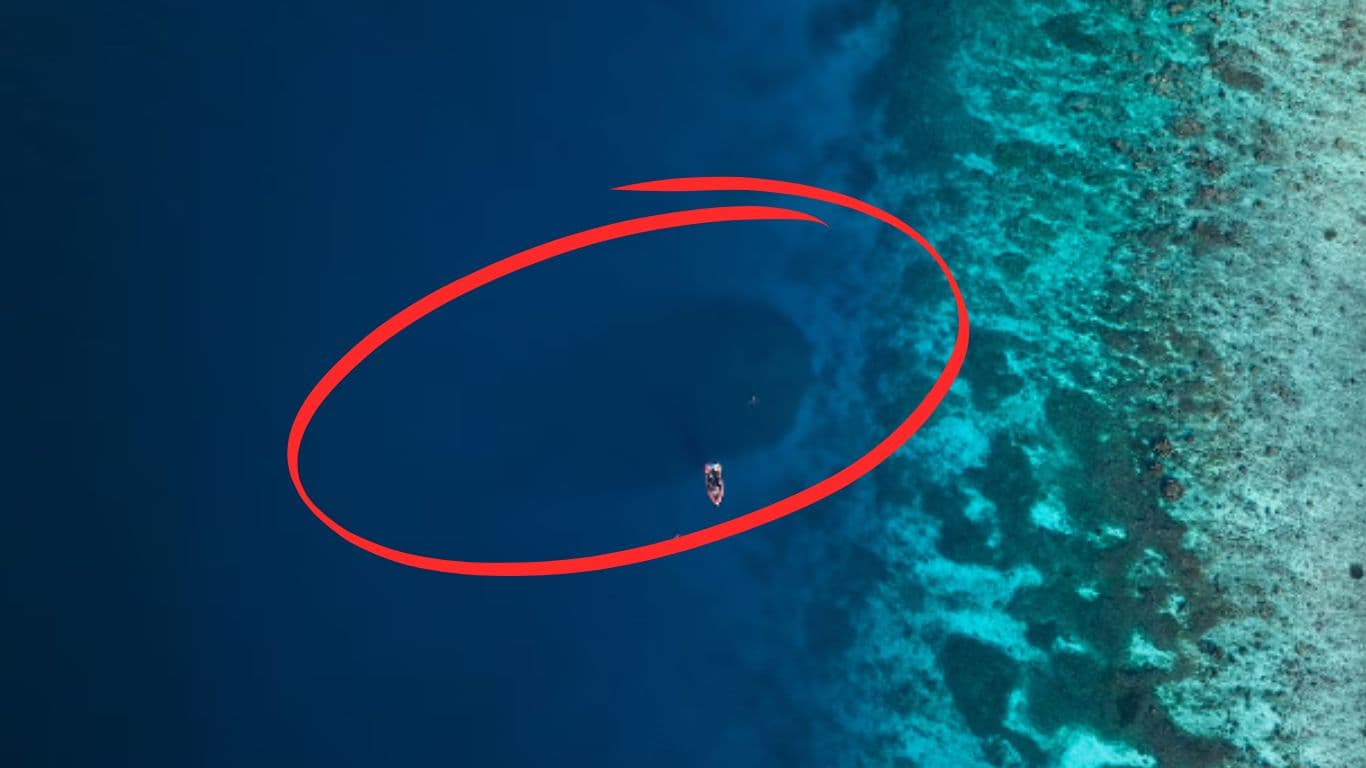
In a monumental discovery, scientists have uncovered the world’s largest coral near the Solomon Islands in the South Pacific. Located in a biodiversity hotspot known as the Coral Triangle, this coral is a natural marvel spanning 34 meters in width and 32 meters in length, with a height of 5.5 meters. The coral, so massive it can be seen from space, is being celebrated as a “beacon of hope” for marine ecosystems facing unprecedented threats from climate change.
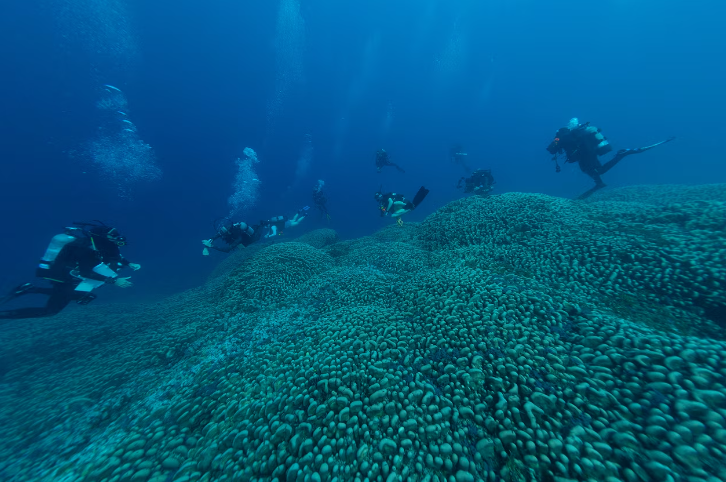
The discovery was made by a team of researchers led by National Geographic explorer Manu San Félix during an expedition aimed at mapping underexplored coral reefs in the Pacific.
Initially mistaken for a shipwreck due to its sheer size, the coral was found to be an extraordinary communal structure—a vast interconnected network of tiny marine organisms. This massive colony is estimated to be around 300 years old, making it a living testament to the resilience of coral ecosystems.
“The size is close to that of a cathedral,” reported San Félix, underscoring the structure’s awe-inspiring proportions. The coral’s age and size significantly surpass a previous record held by a giant Porites coral in American Samoa. Its discovery highlights the Solomon Islands’ position as a pivotal region within the Coral Triangle, an ecological zone renowned for its marine diversity and resilience.

This newly discovered coral comes at a critical time for marine conservation efforts. Corals around the world are increasingly at risk due to warming oceans and other human-induced environmental changes.
The South Pacific, while rich in marine life, faces ongoing threats from rising sea temperatures and acidification, both of which can lead to coral bleaching. This particular coral’s longevity and robust condition offer researchers valuable insights into the resilience of coral ecosystems that may inform future conservation strategies.
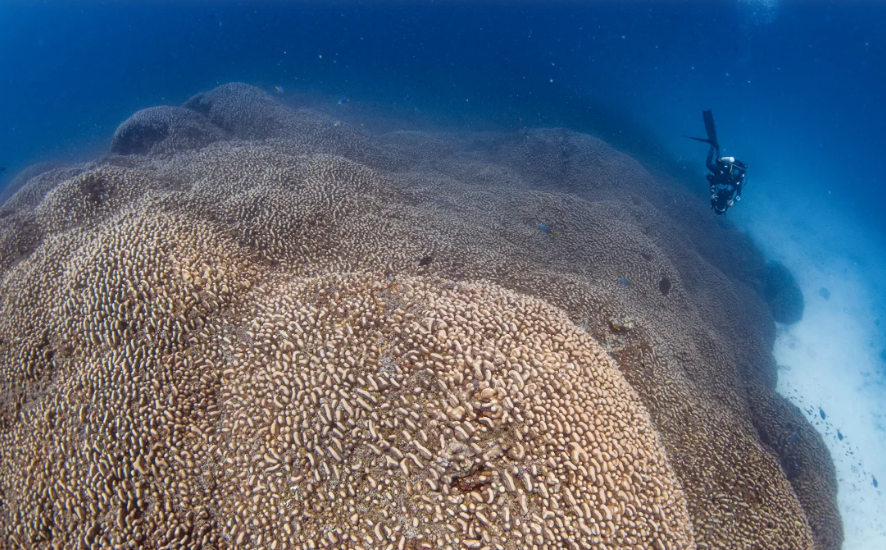
The sheer scale of this coral colony offers hope for scientists and environmentalists alike, proving that, even amidst global climate challenges, nature can still hold extraordinary surprises.
With continued research, scientists aim to unlock the secrets of this “magical” coral, hoping that its resilience may provide a blueprint for preserving other vulnerable marine ecosystems worldwide.