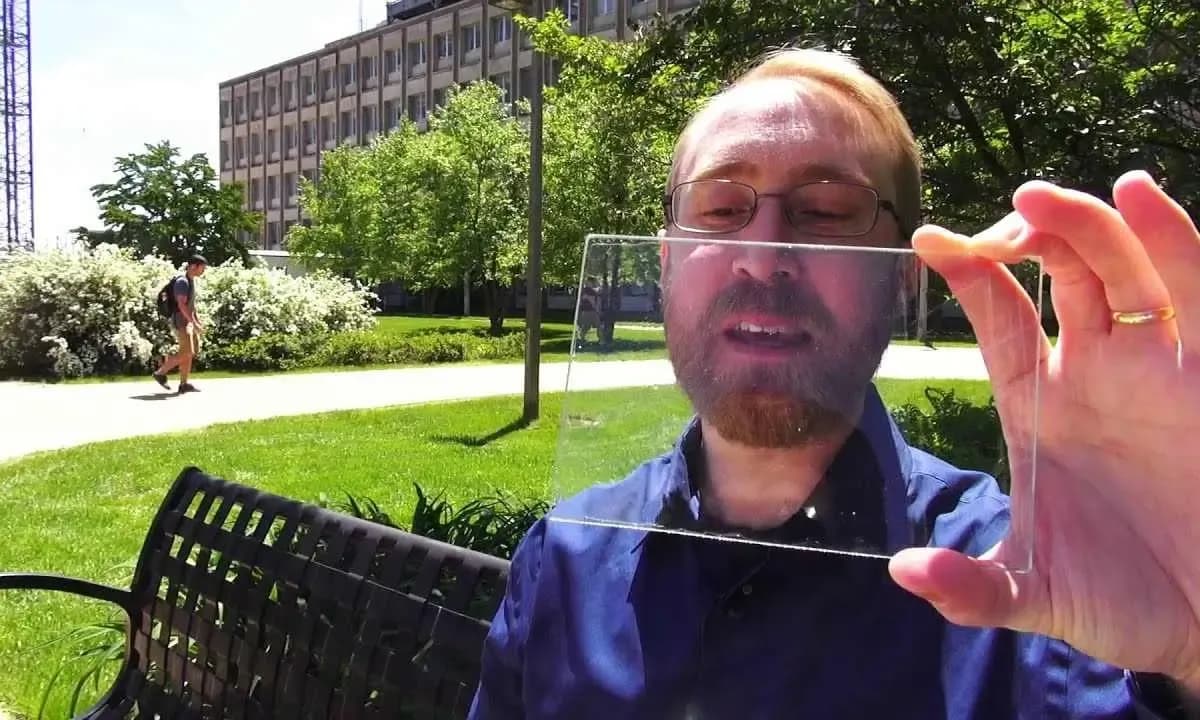
Scientists at Michigan State University have created a way to generate energy by converting transparent surfaces into solar panels. This breakthrough uses transparent solar cell technology, allowing windows, phone screens, and other glass objects to harness sunlight without blocking visibility. Richard Lunt, Professor of Chemical Engineering and Materials Science at the MSU College of Engineering led the effort. The potential for this technology is vast, offering a path toward sustainable energy without altering existing structures. Let us take a closer look at this new attempt at cleaner energy.
What is Transparent Solar Technology?
Transparent solar cells work similarly to traditional solar cells but are designed to let visible light pass through. Conventional solar cells absorb visible light, which creates electricity but blocks transparency. In contrast, transparent cells only absorb ultraviolet and infrared light. Researchers at Michigan State University (MSU) have led developments in this field, particularly with their work on transparent luminescent solar concentrators (TLSCs). This technology absorbs invisible wavelengths, directing the energy toward the edges of the glass where it is converted into electricity.
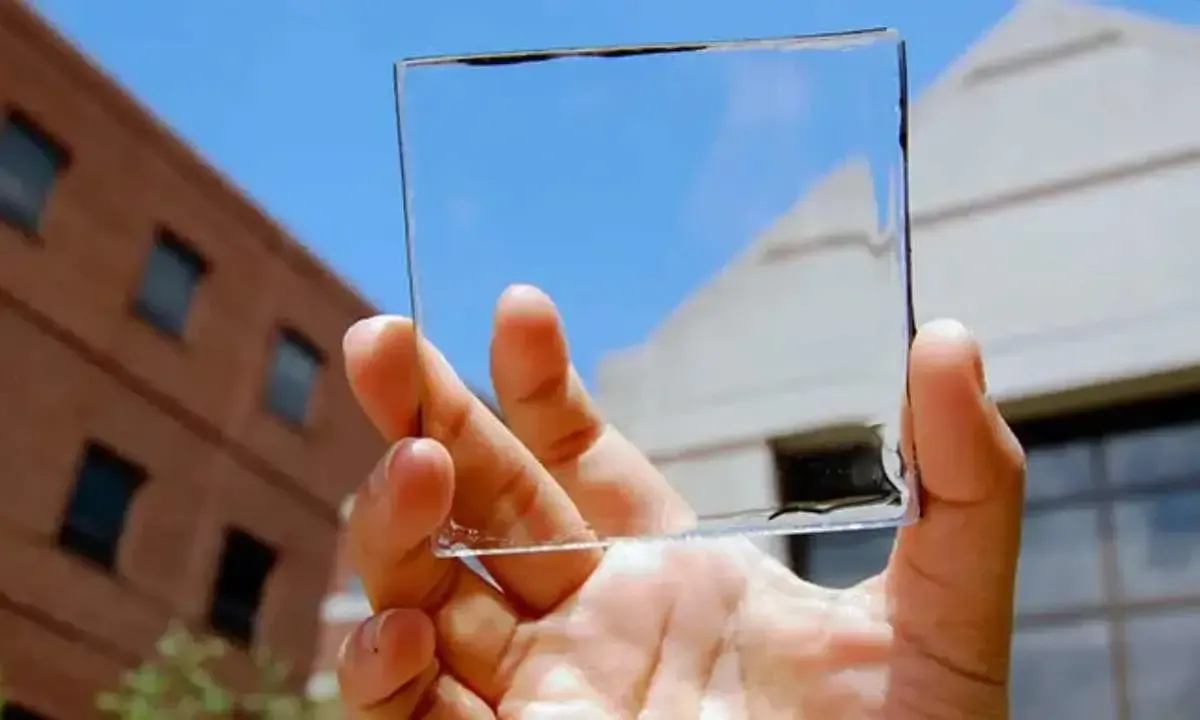
“The realities of climate change mean we need to find more ways to use renewable energy. Transparent solar glass expands the options of solar power tremendously and changes the way we think about generating power,” Lunt said. Lunt explained that the team had been “working to develop this technology so that it can be seamlessly integrated into everyday life.”
There is no longer a tradeoff between aesthetics and renewable energy. You could turn nearly every surface of a building or landscape into a solar array and generate power right where you use it without even knowing that it’s there.”
Richard Lunt
How Do Transparent Surfaces into Solar Panels Work?
The transparent solar cells developed at MSU use organic molecules that absorb specific non-visible wavelengths of sunlight. These wavelengths are invisible to the human eye, allowing the material to remain transparent. The absorbed energy is transported to the panel edges and converted into electricity by thin photovoltaic strips. This process allows surfaces such as windows to generate power without obstructing the view.
The Development Process of Transparent Surfaces into Solar Panels
The journey to develop transparent solar technology required years of research. Early versions had low energy efficiency, producing only minimal power. Yet with continued efforts, scientists improved the design, increasing its ability to capture and convert light. Today, these solar cells have achieved efficiency levels of around 5% to 7%, with ongoing advancements promising even higher rates. Although this is less than the 15% to 20% efficiency of traditional solar panels, the technology compensates by being deployable on vast surface areas, from building facades to smartphone screens.
MSU researchers partnered with Ubiquitous Energy, a private company, to scale up production and bring TLSC technology closer to the market. This collaboration focuses on overcoming manufacturing challenges and making transparent solar panels commercially viable. In 2021, the first installations were completed, demonstrating the technology’s readiness for real-world applications. The transparent cells could convert millions of square feet of glass into electricity-generating surfaces, transforming urban environments into vast networks of solar-powered structures.
Applications in Urban Environments for Transparent Surfaces into Solar Panels
Urban areas, filled with glass-covered skyscrapers and buildings, offer a unique opportunity for transparent solar cells. By installing TLSCs on building windows, cities could turn into energy producers. This approach could reduce reliance on traditional power sources and lower greenhouse gas emissions. Transparent panels do not alter the appearance of buildings, making them a practical solution for densely populated areas where space for traditional solar installations is limited.
European cities have shown interest in this technology, particularly in countries with ambitious climate goals. Transparent solar cells align well with efforts to reduce urban carbon footprints while maintaining city aesthetics. Some cities are exploring the installation of solar glass panels on government buildings, a step that could set the stage for wider adoption.
Transparent solar technology could also benefit public transportation systems. Buses and trains with solar-coated windows could generate their energy, helping to power onboard systems. Researchers see potential for solar glass in vehicles, with the added advantage of reducing the need for fuel or charging stations.
Integration into Consumer Electronics
Transparent solar panels have applications beyond buildings and public infrastructure. They could be integrated into smartphones, tablets, and even wearable devices. By incorporating transparent solar cells into screens, devices could gain supplementary power from sunlight. This innovation would not eliminate the need for conventional charging but could sustainably extend battery life.
Environmental Impact and Sustainability
Using transparent solar cells could reduce urban reliance on fossil fuels. Cities are major energy consumers, and by converting buildings into power-generating structures, transparent solar cells offer a path to lower emissions. By providing a renewable energy source that integrates with existing infrastructure, TLSCs minimize the need for land-hungry solar farms.
Transparent solar panels do not require extensive mining for materials. Traditional panels rely heavily on silicon and other minerals, which have environmental costs associated with their extraction. TLSCs, by contrast, use organic materials that can be synthesized, reducing the need for environmentally damaging mining practices. Lunt pointed out that these materials can be manufactured with “minimal impact on the environment,” making them a cleaner alternative to conventional photovoltaic systems.
The technology also offers benefits for circular economy models. Once installed, TLSCs can function for decades with minimal maintenance. Unlike traditional panels, they do not require mechanical structures or tracking systems to follow the sun’s path. This low-maintenance feature adds to their environmental benefits, as they have fewer components that might need replacement.
Future Prospects and Limitations
Despite the promise of transparent solar cells, there are challenges to their widespread adoption. Current efficiency rates are still lower than traditional solar panels, making them less viable for areas where high power output is necessary. The technology is also more expensive to produce due to its advanced materials and design. For TLSCs to become mainstream, further cost reductions and efficiency improvements are essential.
Experts predict that transparent solar technology will continue to evolve. Researchers are optimistic about reaching efficiency levels of 10% or higher. This would make transparent cells competitive with traditional solar panels, especially in urban applications. Lunt believes that achieving this milestone would mark “a major step forward for clean energy.”
Companies in Japan and Europe are also exploring transparent solar technologies, with prototypes being tested on residential and commercial buildings. This global interest underscores the potential of TLSCs to reshape energy production. However, the path to large-scale adoption will require overcoming both technical and economic hurdles.
Real-World Installations and Case Studies
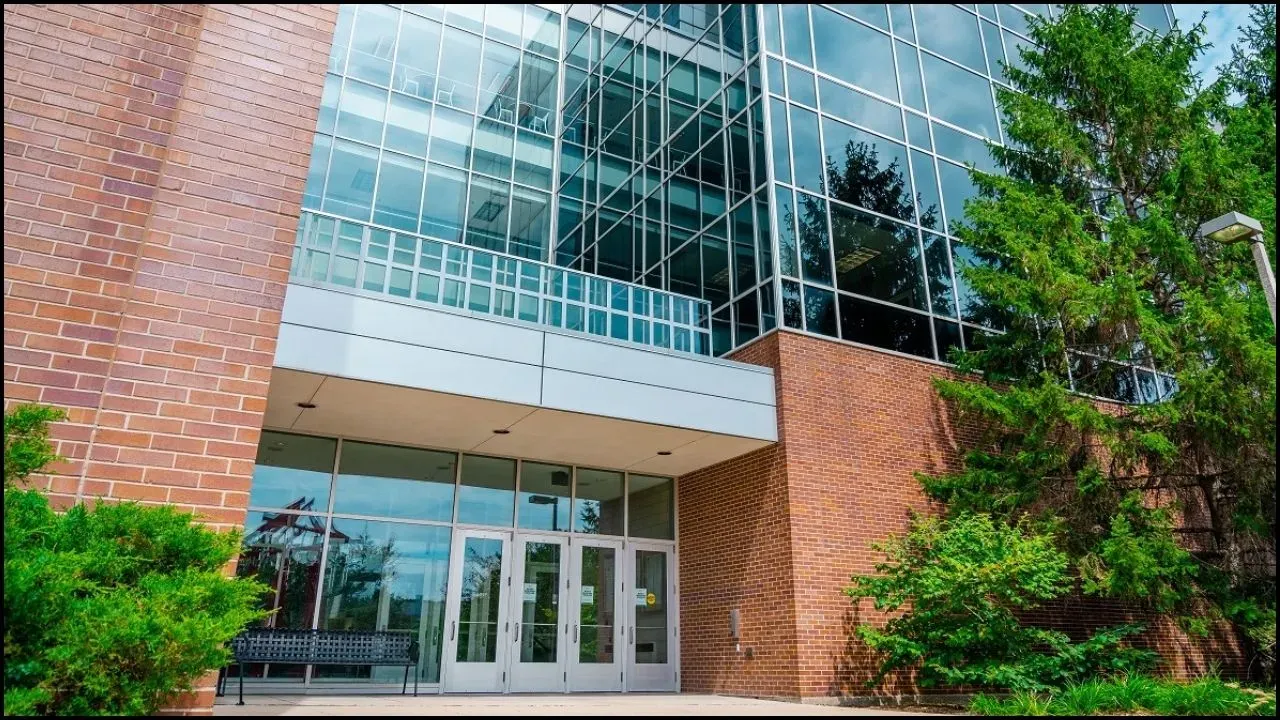
A few installations of transparent solar panels have already demonstrated the technology’s potential. In 2021, the Biomedical and Physical Sciences Building on the campus of Michigan State University installed transparent solar glass panels. The 100 square feet of transparent solar glass installed above the building’s entryway will generate enough electricity to power lighting in its atrium. Ubiquitous Energy, the company partnering with MSU, has also installed panels in commercial buildings, helping to test their viability on a larger scale.
Other institutions, such as the Los Angeles Community College District, are considering pilot programs with TLSC technology. By testing it on a smaller scale, these institutions aim to gather data that could inform future urban deployments. Transparent solar cells are in the early stages of commercial use, but pilot programs indicate growing interest and confidence in the technology.
Conclusion
Transparent solar cells represent a new frontier in renewable energy. By transforming everyday glass surfaces into power generators, this technology promises a sustainable solution that integrates seamlessly into urban landscapes. Although still developing, transparent solar technology has the potential to reshape cities, public transport, and consumer electronics. As researchers improve efficiency and reduce costs, transparent solar cells may become a practical alternative to traditional solar panels, making renewable energy accessible without compromising design or visibility.
Also Read:
Spain Hit By Deadliest Floods In Decades | The Country Mourns With Many Dead!