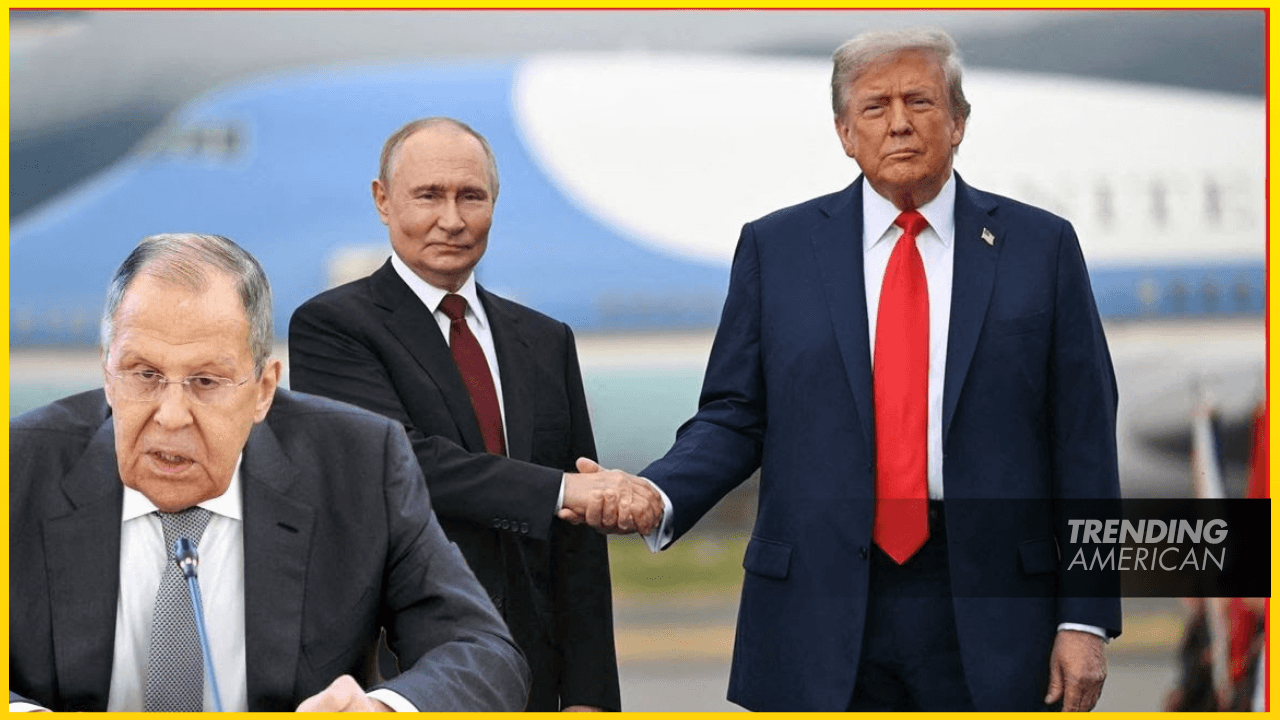
The backdrop of international diplomacy is ever-changing, and once again, Russia has made a significant move. Russian Foreign Minister Sergey Lavrov announced that Moscow is ready to resume preparations for a US-Russia summit. This meeting, initially canceled due to a disputed memo allegedly listing hardline Russian demands, was to focus on Ukraine. It was set in the historic city of Budapest last month.
The surprising shift comes after controversies regarding the content of a memo sent from Moscow to Washington. Whereas US officials interpreted it as a list of demands that led to the summit’s cancellation, Lavrov clarified that these were reminders of previously settled agreements during a meeting in Alaska. Are Lavrov’s words a strategic maneuver to calm US sanctions and ease tensions, or is it a genuine call for global reconciliation?
This potential summit carries enormous implications. With US President Donald Trump and Russian President Vladimir Putin at the helm, the global community watches with bated breath. As both nations hint at a more flexible stance for dialogue, questions arise: Could this signal a thaw in historically chilly relations? And most importantly, will this lead to tangible progress in resolving the Ukraine conflict?
The roles Lavrov, Putin, and Trump play are crucial in shaping the future of international policies and relations. As talks of rescheduling the summit gain momentum, the world waits to see if diplomacy can indeed triumph over discord.