
Ruja Ignatova helped sell the world a financial revolution. Then the woman known as the “Cryptoqueen” disappeared, leaving behind a fraud case involving billions of dollars.
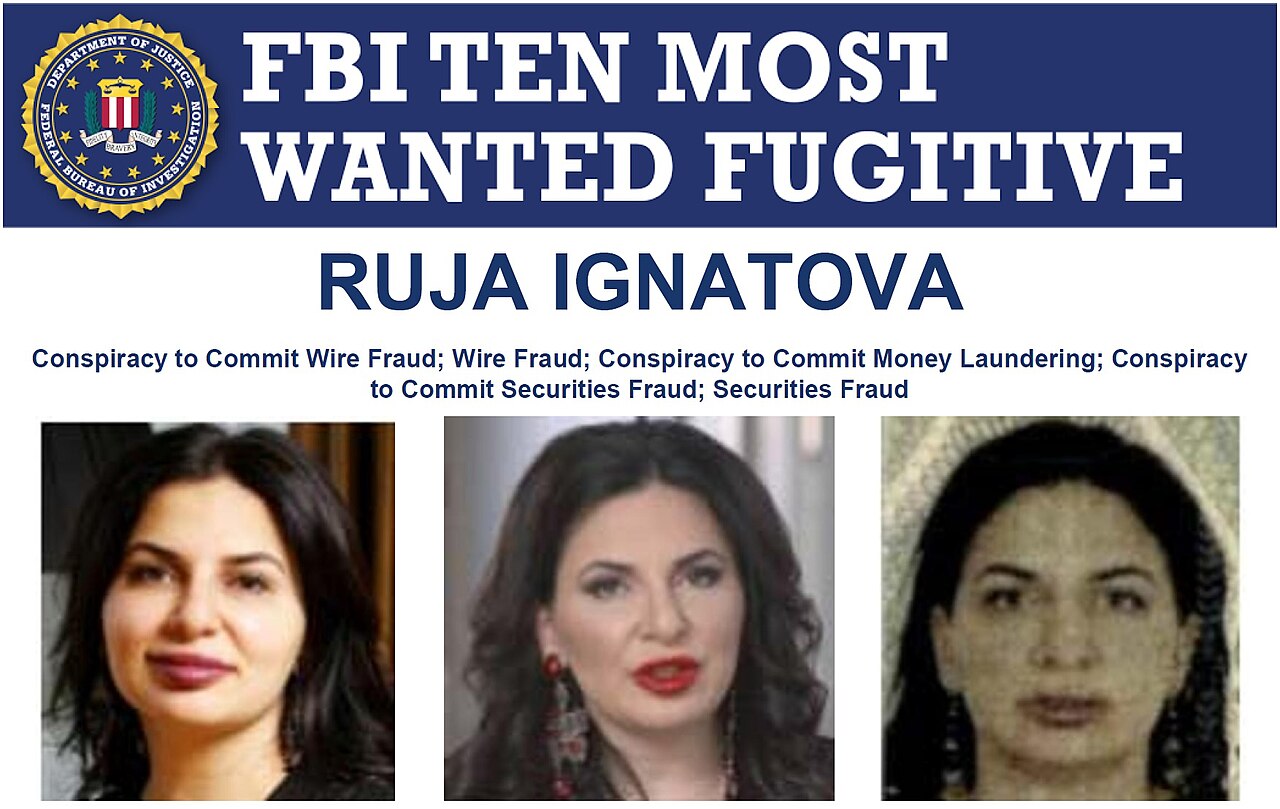
The Bulgarian-born OneCoin founder remains on the FBI’s Ten Most Wanted Fugitives list. The U.S. State Department offers up to $5 million for information leading to her arrest and/or conviction. Source: FBI
The promise behind OneCoin
Ignatova and Karl Sebastian Greenwood founded OneCoin in Sofia, Bulgaria, in 2014. They promoted it as a cryptocurrency that could challenge Bitcoin.
Members earned commissions by recruiting others to buy packages. The business spread rapidly: prosecutors say at least 3.5 million victims invested more than $4 billion between late 2014 and late 2016 alone. Source: U.S. Justice Department

What investors were actually buying
OneCoin was a real company. Its supposed cryptocurrency was the deception.
According to court records described by prosecutors, it lacked a genuine, publicly verifiable blockchain. The company set its coin’s supposed value itself rather than letting market supply and demand determine it. Claims about mining equipment and mining pools were also false.
The rising figures shown to members did not represent the valuable digital asset they had been promised. Source: U.S. Justice Department
A flight to Athens—and an unanswered question
A federal arrest warrant was issued in October 2017. On October 25, Ignatova traveled from Sofia to Athens. The FBI says she may have traveled elsewhere afterward.
She joined the bureau’s Ten Most Wanted list on June 30, 2022. Her current listing warns that she may have altered her appearance. Her whereabouts remain unresolved, and the charges against her are allegations rather than a conviction. Source: FBI
Prison sentences and efforts to recover money
Greenwood received a 20-year prison sentence in September 2023 for his role in the scheme. His conviction supplied a concrete outcome in a case whose most recognizable figure remained missing. Source: U.S. Justice Department
In April 2026, the Justice Department announced a victim compensation process backed by more than $40 million in forfeited assets. The announcement said qualifying purchases covered 2014–2019 and gave a June 30 filing deadline.
That recovery effort concerns only a fraction of the billions invested. It also keeps attention on the people behind the headline: investors who lost money to promises authorities say were false from the beginning. Source: Justice Department compensation announcement
The disappearance makes this an enduring mystery. The financial losses explain why the search still matters.
Image credits
- Portrait and featured image: OneCoin Coporation, Wikimedia Commons, CC BY-SA 2.0.
- Archival wanted poster: FBI, Wikimedia Commons, public domain. The current FBI listing takes precedence over information printed on an older poster.

