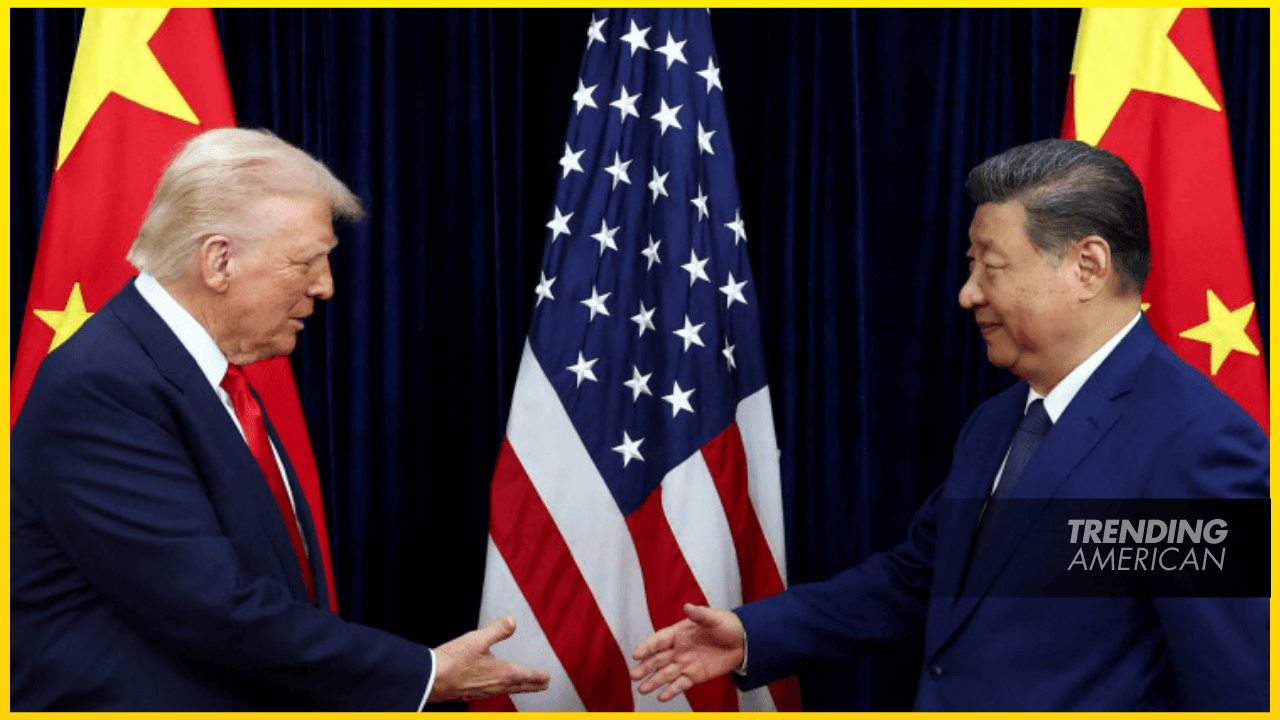
A robust debate has emerged about whether the United States and China are acting as rogue hegemonies, pursuing protectionist policies that undermine global trade and development. Arvind Subramanian, in his Project Syndicate commentary, argues that both powers are inflicting global costs by moving away from rules-based trade toward mercantilist strategies that benefit domestic constituencies at the expense of the world’s poorer economies.
The United States, under a presidency that has embraced tariff-driven industrial policy, and China, with renewed mercantilist export-promoting policies, are positioned as the two dominant actors shaping today’s trading system. Subramanian frames them as rogue in the sense that they pursue strategic objectives—protecting jobs, safeguarding strategic sectors, and reshaping global supply chains—that sacrifice broader global public goods for domestic political advantage.
Tariffs and non-tariff barriers are deployed to shield domestic industries, while subsidies and state-driven investments support selected sectors. These moves interact with global supply chains, provoking retaliatory measures and spawning a protectionist equilibrium in which countries feel compelled to shelter low-value manufacturing and build energy- and technology-intensive industries at home. The result is higher input costs, delayed innovation, and less reliable trade flows for developing economies that rely on open markets.
Developing economies—often with limited policy space and strong exposure to trade shocks—bear the brunt of these dynamics. As major powers tilt their policies inward, global public goods like predictable rules-based trade, stable investment climates, and open access to technologies are undermined. Supply chains become more fragile, monetary conditions tighten, and investment in development projects slows.
Proponents of the tilt toward protectionism argue that such measures shield jobs and national security. Yet Subramanian’s analysis emphasizes the mutually reinforcing costs: as major powers retreat into mercantilist postures, developing countries face heightened costs and are nudged toward their own protective responses, potentially reviving protectionist cycles that reduce global growth.
Restoring incentives for global public goods requires renewed commitment to open trade rules, transparent state support, and policies that align domestic objectives with global development. International cooperation, targeted reforms to reduce distortions, and stronger multilateral commitments could help dampen the spiral of protectionism while preserving welfare at home.
The debate is informed by Subramanian’s piece in Project Syndicate (with related op-eds in The Jakarta Post and Peterson Institute for International Economics), as well as ProSyn/X commentary that broadens the discussion of mercantilist strategies, trade wars, and their planetary impact.